
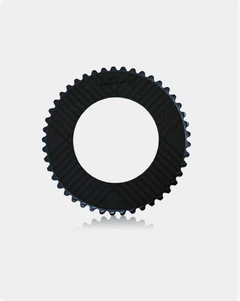
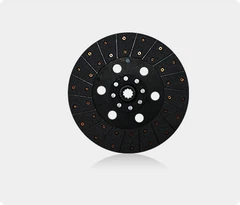
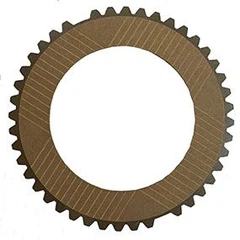
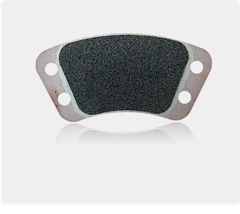



As a supplier of wet disc clutches with advanced materials, I've witnessed firsthand the dynamic shifts in the market and the increasing curiosity among customers about the price comparison between advanced material wet disc clutches and standard ones. In this blog, I'll delve into the factors that influence the price difference, the value proposition of advanced material clutches, and how these elements interplay in the real - world market.


Understanding the Basics of Wet Disc Clutches
Before we jump into the price comparison, let's briefly understand what wet disc clutches are. Wet disc clutches are a type of clutch system that operates in a lubricating fluid environment. This lubrication helps in reducing friction, dissipating heat, and extending the lifespan of the clutch. They are widely used in various applications, including automotive, industrial machinery, and agricultural equipment.
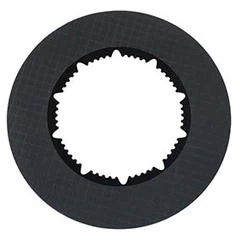
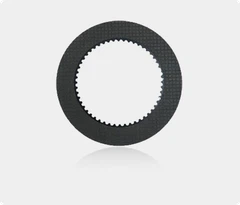
A standard wet disc clutch typically uses commonly available materials for its friction and mating surfaces. These materials are cost - effective and have been proven to work well in a wide range of normal operating conditions. On the other hand, wet disc clutches with advanced materials incorporate high - performance substances that are engineered to offer superior performance, durability, and efficiency.
Factors Influencing the Price of Wet Disc Clutches
Material Costs
The most obvious factor contributing to the price difference is the cost of materials. Standard wet disc clutches often use materials like sintered metals or semi - metallic compounds. These materials are mass - produced, and their raw material sources are abundant, which keeps the cost relatively low.
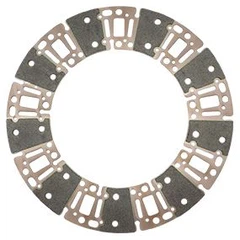
In contrast, advanced material wet disc clutches may use materials such as carbon - carbon composites, ceramic - based materials, or high - tech polymers. Carbon - carbon composites, for example, offer excellent heat resistance and high frictional coefficients. However, the production process of these materials is complex and requires specialized equipment and expertise. The raw materials themselves are also more expensive due to their limited availability and the high cost of extraction and refinement.
Manufacturing Process
The manufacturing process for advanced material wet disc clutches is generally more intricate and time - consuming than that of standard ones. Standard clutches can be produced using well - established and relatively simple manufacturing techniques, such as stamping, sintering, and machining. These processes are highly automated, which reduces labor costs and increases production efficiency.
Advanced material clutches, however, often require precision manufacturing methods. For instance, carbon - carbon composites need to go through a series of steps including carbonization, graphitization, and densification. Each step requires strict control of temperature, pressure, and chemical environment. This not only increases the production time but also requires highly skilled workers and specialized machinery, all of which add to the overall cost.
Performance and Durability
Advanced material wet disc clutches are designed to outperform standard ones in terms of performance and durability. They can handle higher torque loads, operate at higher temperatures without significant wear, and have a longer service life. This enhanced performance means that they can reduce maintenance costs and downtime in the long run.
For example, in heavy - duty industrial applications where clutches are subjected to frequent engagement and disengagement under high loads, a standard clutch may wear out quickly, leading to more frequent replacements. An advanced material clutch, with its superior durability, can last much longer, offsetting its higher initial cost over time.
Price Comparison in the Market
In the market, the price of a standard wet disc clutch can vary depending on its size, application, and brand. Generally, a standard clutch for a small - to - medium - sized automotive or industrial application may cost anywhere from a few hundred dollars to a couple of thousand dollars.
Advanced material wet disc clutches, on the other hand, can be significantly more expensive. For high - performance applications in racing cars or heavy - duty industrial machinery, the price of an advanced material clutch can range from several thousand dollars to tens of thousands of dollars.
However, it's important to note that the price difference is not just a matter of raw cost. When considering the total cost of ownership, advanced material clutches may offer better value. As mentioned earlier, their longer service life and lower maintenance requirements can result in significant savings over the life of the equipment.
The Value Proposition of Advanced Material Wet Disc Clutches
Enhanced Performance
One of the main advantages of advanced material wet disc clutches is their enhanced performance. They can provide smoother engagement and disengagement, which is crucial in applications where precise control is required. For example, in high - end sports cars or heavy - duty construction equipment, the ability to smoothly transfer power can improve the overall performance and safety of the vehicle or machinery.
Reduced Downtime
Downtime is a major concern for businesses that rely on machinery. A standard clutch that wears out quickly may require frequent replacements, which can lead to extended periods of non - operation. Advanced material clutches, with their longer lifespan, can significantly reduce the frequency of replacements and thus minimize downtime. This is especially important in industries where production schedules are tight and any interruption can result in significant financial losses.
Environmental Benefits
Some advanced materials used in wet disc clutches are more environmentally friendly than their standard counterparts. For example, certain high - tech polymers can be recycled more easily, reducing the environmental impact of clutch disposal. Additionally, the improved efficiency of advanced material clutches can lead to lower energy consumption, which is beneficial for both the environment and the bottom line.
Making the Right Choice
When deciding between a standard wet disc clutch and an advanced material one, customers need to consider their specific needs and budget. For applications where cost is the primary concern and the operating conditions are relatively mild, a standard clutch may be the best choice. However, for high - performance applications, heavy - duty use, or situations where downtime needs to be minimized, the investment in an advanced material wet disc clutch may be well worth it.
As a supplier of [Wet Disc Clutch with Advanced Material], I'm committed to providing high - quality products that meet the diverse needs of our customers. Our Durable Wet Clutch Pack Meeting ISO Standards is a prime example of our dedication to quality and performance. We also offer a wide range of Wet Clutch Material and Wet Clutch Friction Material options to suit different applications.
If you're interested in learning more about our products or discussing your specific requirements, I encourage you to reach out to us for a detailed consultation. We're here to help you make an informed decision and find the best clutch solution for your needs.
References
- "Clutch Design and Application" by John D. Fenton.
- "Advanced Materials for Automotive Applications" edited by J. W. Jones.
- Industry reports on wet disc clutch market trends and pricing.


