
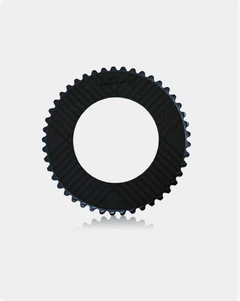
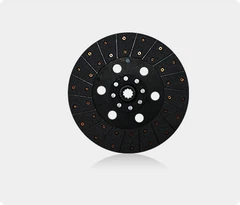
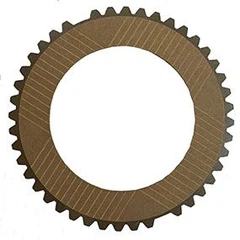
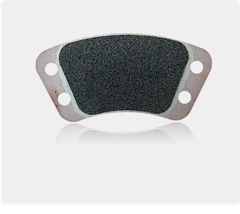
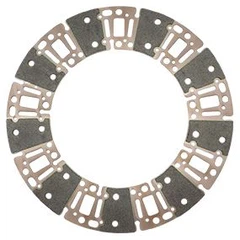
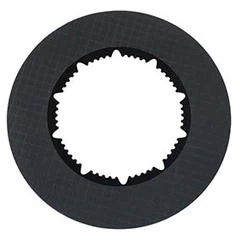
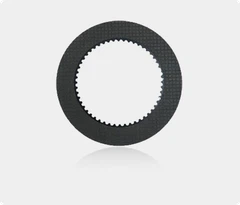
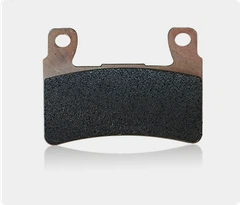



As a supplier of cost-effective copper friction plates, I've often been asked whether these products are suitable for marine applications. This is a crucial question, considering the unique and demanding environment of the marine sector. In this blog, I'll delve into the characteristics of copper friction plates, evaluate their suitability for marine use, and provide insights based on my experience in the industry.
Understanding Copper Friction Plates
Copper friction plates are engineered components designed to generate friction when in contact with other surfaces. They are commonly used in various machinery and equipment, including automotive transmissions, industrial clutches, and braking systems. The key advantage of copper friction plates lies in their excellent thermal conductivity, high strength, and good wear resistance. These properties make them capable of withstanding high temperatures and heavy loads, ensuring reliable performance over an extended period.
One of the significant benefits of copper friction plates is their cost-effectiveness. Compared to other materials such as ceramic or carbon-based friction materials, copper friction plates are more affordable while still offering comparable performance. This makes them an attractive option for applications where cost is a major consideration without compromising on quality.
The Marine Environment: A Challenging Landscape
The marine environment presents a set of unique challenges that any component used in marine applications must overcome. Saltwater corrosion is one of the most significant issues. The high salt content in seawater can cause rapid corrosion of metal components, leading to reduced performance and eventual failure. Additionally, marine equipment often operates under high loads and extreme conditions, such as high speeds and sudden stops. This requires friction plates to have excellent wear resistance and the ability to maintain consistent friction coefficients under varying conditions.
Another factor to consider is the presence of contaminants in the marine environment. Sand, dirt, and other debris can enter the friction system, causing abrasion and premature wear. Therefore, friction plates used in marine applications need to be robust enough to withstand these contaminants without significant degradation.
Suitability of Copper Friction Plates for Marine Applications
Corrosion Resistance
Copper is known for its relatively good corrosion resistance compared to many other metals. However, in a marine environment, copper friction plates can still be susceptible to corrosion, especially in the presence of aggressive salts and pollutants. To address this issue, surface treatments can be applied to enhance the corrosion resistance of copper friction plates. For example, coatings such as nickel or zinc can be used to create a protective barrier between the copper and the corrosive environment.


Some of our products, like the Corrosion Resistant Clutch Friction Plate Facing, are specifically designed with advanced corrosion-resistant coatings to ensure long-term performance in marine applications. These coatings not only protect the copper from corrosion but also improve the overall durability of the friction plates.
Wear Resistance
In marine applications, friction plates are subjected to high levels of wear due to the constant engagement and disengagement of clutches and brakes. Copper friction plates, with their inherent hardness and wear-resistant properties, can withstand this wear to a certain extent. However, to further enhance their wear resistance, sintering processes can be employed. Sintered copper friction plates have a more uniform structure and better bonding between the copper particles, resulting in improved wear resistance.
Our Wear Resistant Sintered Clutch Plate is a prime example of a product that utilizes sintering technology to enhance wear resistance. These plates are designed to provide reliable performance even under heavy loads and high wear conditions, making them suitable for marine applications where durability is crucial.
Friction Performance
Maintaining a consistent friction coefficient is essential for the proper operation of marine equipment. Copper friction plates offer stable friction performance over a wide range of temperatures and operating conditions. This is important in marine applications, where equipment may operate in different climates and weather conditions. The ability of copper friction plates to provide consistent friction ensures smooth and reliable operation of clutches and brakes, reducing the risk of sudden failures.
Advantages of Using Copper Friction Plates in Marine Applications
Cost-Effectiveness
As mentioned earlier, cost is a significant factor in any application, and marine applications are no exception. Copper friction plates offer a cost-effective solution for marine equipment manufacturers and operators. Their relatively low cost compared to other high-performance friction materials allows for significant cost savings without sacrificing quality. This makes them an attractive option for both new installations and replacement parts.
Availability and Ease of Manufacturing
Copper is a widely available material, and the manufacturing processes for copper friction plates are well-established. This means that we can offer a wide range of copper friction plates in different sizes and specifications to meet the diverse needs of marine applications. The ease of manufacturing also allows for quick turnaround times, ensuring that customers can get the parts they need in a timely manner.
Case Studies: Real-World Examples
To illustrate the suitability of copper friction plates for marine applications, let's look at some real-world examples. In a recent project, a marine vessel was experiencing frequent clutch failures due to the use of low-quality friction plates. After switching to our cost-effective copper friction plates, the vessel's clutch system showed significant improvement. The new friction plates had better wear resistance and corrosion resistance, resulting in reduced maintenance costs and increased operational efficiency.
Another case involved a marine winch system. The original friction plates were unable to provide consistent friction under heavy loads, leading to unreliable operation. Our copper friction plates, with their stable friction performance, were installed in the winch system. The result was a more reliable and efficient winch operation, with fewer breakdowns and improved overall performance.
Conclusion
In conclusion, cost-effective copper friction plates can be a suitable option for marine applications when proper measures are taken to address the challenges posed by the marine environment. With appropriate surface treatments to enhance corrosion resistance and advanced manufacturing techniques to improve wear resistance, copper friction plates can provide reliable performance and long service life. Their cost-effectiveness, availability, and ease of manufacturing make them an attractive choice for marine equipment manufacturers and operators.
If you are interested in exploring the use of cost-effective copper friction plates for your marine applications, I encourage you to contact us for more information. We have a team of experts who can provide you with detailed technical advice and help you select the most suitable friction plates for your specific needs. Let's work together to find the best solution for your marine equipment.
References
- "Marine Corrosion: Principles and Prevention" by John D. Sudbury
- "Friction Materials: Fundamentals and Applications" by Ramesh Singh


