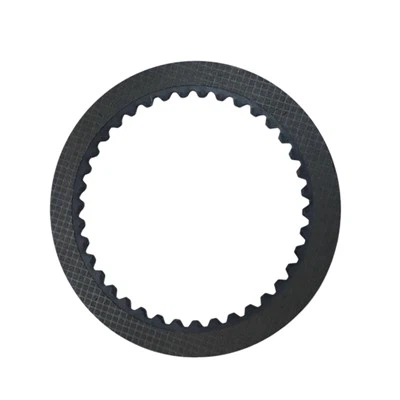
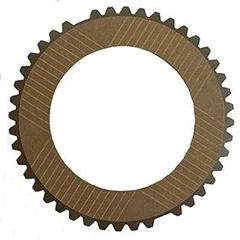
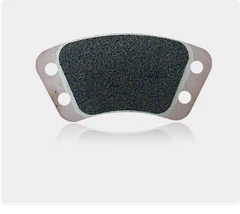
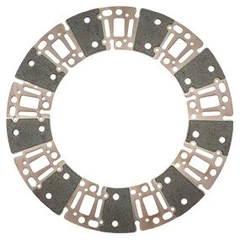
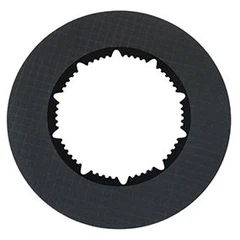
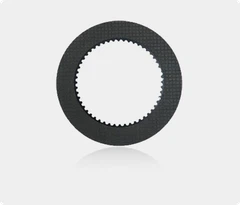
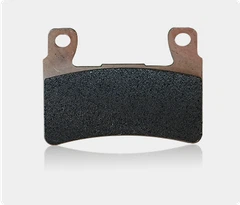
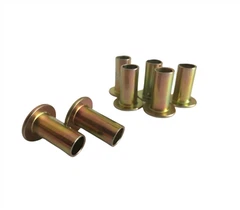



Apart from auto parts, our company, Mona., also produces rivets used for clutch linkages. The main function of the rivet products is to firmly fix the friction plate on the clutch driven disc to the frame of the driven disc. This mechanical connection method is more reliable than simple adhesive connection, allowing the clutch to maintain an efficient working state even under strict working conditions such as high temperature, high shear force, and repeated engagement and disengagement. In addition, it also has functions of vibration and impact resistance, and auxiliary heat dissipation. The manufacturing materials of the rivet products vary depending on the application vehicle. Commonly, the materials include: low-carbon steel/copper or copper alloy/aluminum alloy/stainless steel/special alloy steel, etc. They are mainly used in the following fields: passenger car clutch driven discs, truck/tractor clutch friction blocks fixation, motorcycle clutch systems, agricultural machinery clutch devices, construction machinery (such as forklifts, excavators) clutch components, racing cars, high-performance vehicles using sintered/ceramic friction systems, and some rivets are also used for synchronizer plates and brake components fixation.
-
![Button Head Solid Rivets]() Button Head Solid Rivets1.Passenger carsview more
Button Head Solid Rivets1.Passenger carsview more
2.SUVs and crossovers
3.Light commercial vehicles
4.Taxi and ride-sharing fleets

Your Professional Rivets Supplier!
Hangzhou Mona Trading Co., Ltd.,as an international trading company under Zhejiang Hongwei Auto Parts Co., Ltd.,located in Hangzhou, China, was founded in May 2007 as the former Hangzhou Xingma Automotive parts Company limited, we operate under a dual-engine strategy combining Research and Development-driven manufacturing and global trade. We specialize in clutch disc, clutch plate, clutch button, clutch racing, clutch wet material, paper based friction material, motorcycle brake pads and rivets.
Specification
|
Product name |
Rivets |
|
Material |
Low-carbon steel/copper or copper alloy/aluminum alloy/stainless steel/special alloy steel, etc. |
|
Finish |
Plain |
|
Head style |
Round |
|
Rivet type |
Solid rivet |
|
Feature |
Standard |
Advantages of Rivets
Simple Installation
Most rivets are quick and easy to install. For example, a blind rivet can be installed in a few seconds if a pneumatic tool is used.
Accessibility
Access to one side of the joint is enough for rivet installation. Most other types of joining methods require access to the faying surfaces, or access to both sides of the joint.
Low Cost
Rivets are a low-cost alternative to bolted connections, especially if the joint must be permanently fastened.
High Strength
Solid rivets provide one of the most robust connections available and can last many years without significantly loosening due to their resistance to vibration.
Different Types of Rivets

Solid Rivet
A solid rivet consists of a solid shaft with a head at one end. The tail of a solid rivet is deformed using a rivet gun or hammer to keep it in place.
Split Rivet
A split rivet has a divided shaft to create more surface area after it has been passed through the joint. The rivet has a sharp end, and the added surface area keeps the rivet from pulling back through softer materials such as leather, wood, and plastic. Split rivets are commonly used in basic repair works at home, and they are not used in critical applications.
Blind Rivet (Pop Rivet)
Blind rivets are suitable when one side of the joint cannot be seen or accessed. They are also known as ‘pop rivets' and use a rivet gun to pull a mandrel through the hollow shaft of the rivet after being inserted through the hole joining two surfaces. The mandrel deforms the rivet's body and allows the riveter to fasten the materials with access to only one side of the surface. The mandrel snaps off at a ‘necked' point where the mandrel is weakest, leaving it more or less flush with the head of the rivet.
Friction Lock Rivet
Also known as a self-plugging rivet, friction lock rivets are a type of blind rivet which use the internal pressure of a stem that is drawn through a hollow sleeve which expands the shaft and uses pressure within the shaft to join materials and plug the hole behind it.
Self-piercing Rivet
Self-piercing rivets, or SPRs, do not need pre-punched holes, unlike other rivet types. SPRs are cold-forged in a semi-tubular shape, and the end geometry has a groove that aids the rivet in piercing the material to be joined. These types of rivets help create a gas/water-tight joint.
Threaded Rivet
Threaded rivets are blind rivets with internally threaded, hollow shafts. These rivets thread onto a mandrel on a rivet gun. The mandrel is pulled through the shaft, which upsets the shaft. These blind rivets are solid and sometimes feature external ridges that allow for better surface area contact within the pilot hole.
Semi-tubular Rivet
Much like a solid rivet, a semi-tubular rivet has a hole at the end of the tail. The hole causes the shaft to roll outward when force is applied, hence requiring less force for application and assembly.
Oscar Rivet
An oscar rivet is similar to a blind rivet, but the only difference is that the shaft gets split and folds out when the mandrel is drawn throughout the rivet. Oscar rivets are ideal for applications involving high vibrations where the rear surface is inaccessible.
Basic Principles of Rivets
First, a hole is drilled or punched in the materials to be connected. The rivet is inserted between both holes. The tail is then upset or bucked (deformed) by mechanical force using a hammer or rivet gun. The tail then expands to around 1.5 times the original diameter of the shaft, holding the rivet in place between both materials. The deformation smashes the tail, making it flatter, resulting in a dumbbell-shaped rivet. The original head of the rivet is called the ‘factory head,' and the deformed end is called the ‘buck-tail.'
A rivet can support tension on each end of the structure. The permanently formed heads at both ends prevent the rivet from detaching from the drilled hole. The rivet shaft prevents any radial movements. Rivets are designed for permanent joints similar to welding or structural adhesives. But, contrary to welded connections, rivets resist vibrations and secure joints better.
Materials Used for Rivets
Aluminum: Aluminum rivets are the most common. They're lightweight and have good corrosion and weathering resistance. These rivets can be easily deformed and, as such, blind rivets made from aluminum can be installed with a hand-operated rivet tool.
Stainless Steel: Stainless steel rivets have excellent corrosion and weathering resistance. However, due to their hardness, they're difficult to install with hand-operated rivet tools. Pneumatic rivet guns are recommended for installing blind stainless steel rivets.
Copper: Copper has an excellent electrical and thermal conductivity in addition to being relatively easy to form.
Steel: Carbon steel rivets are usually solid or hollow shank and must be installed using pneumatic or hydraulic equipment. Low-carbon steel is preferred as it is more ductile than rigid, high-carbon steel.
Brass: Brass is an alloy of zinc and copper that has exceptional corrosion resistance and strength, and cannot spark. These properties make brass rivets ideal for applications in the oil and gas industry. They are also used for their aesthetic appeal.
Construction
In construction, rivets are used to join beams, metal structures, and building components.
Automotive
Rivets are fundamental in the automotive industry for assembling bodies, panels, and components.
Aviation And Aerospace
In these industries, rivets are crucial for manufacturing aircraft and spacecraft due to their lightness and strength.
Machinery Manufacturing
Rivets are used in the production of machinery and industrial equipment.
Electronics
In electronics, copper and aluminum rivets are essential for connecting circuits and components.
Furniture
In the furniture industry, rivets are used to assemble chairs, tables, and other furniture.
Container and Packaging Manufacturing
Rivets ensure the structural integrity of metal containers and packaging.
Comprehensive After-Sales Service
● If the issue is confirmed to be a product quality problem after inspection, a solution (free replacement of new products / return and refund / discount for new replacement) will be provided within 24 hours, and we will bear the round-trip logistics costs to avoid additional losses for customers.
● Professional technical support services.
Packaging
Customized packaging will be acceptable
Moisture-proof and anti-corrosion protection treatment
Pass the drop test
Application of environmental protection materials
The labels are clear and traceable
Convenient for handling and storage
Enhance the professional brand image
Meet international transportation norms
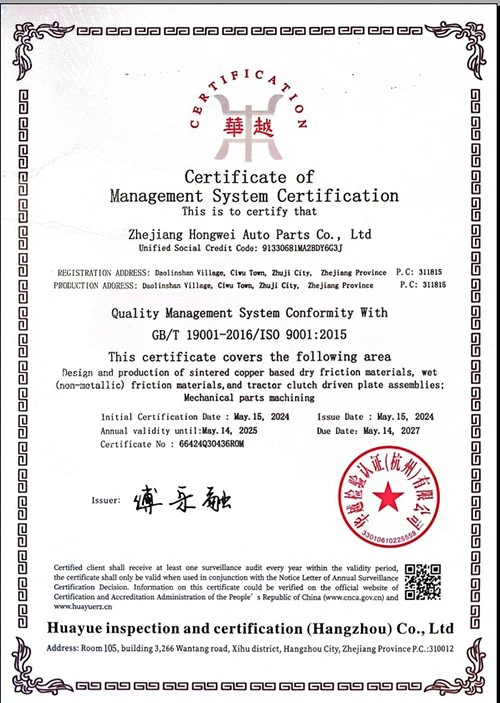
Our Certificate

FAQ
We're professional rivets manufacturers and vendors in China, specialized in providing high quality OEM service. We warmly welcome you to wholesale bulk rivets from our factory. Contact us for price list.