
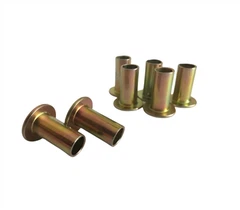



A clutch button is a small yet crucial component in a vehicle's clutch system. As a clutch button supplier, I've encountered numerous inquiries from customers about the potential issues related to clutch buttons, especially whether a worn - out clutch button can cause the engine to stall. In this blog, I'll delve into the science behind this question, exploring the functions of clutch buttons, the consequences of wear and tear, and how they might interact with engine stalling.
Understanding the Role of Clutch Buttons
Before we discuss the relationship between a worn - out clutch button and engine stalling, it's essential to understand what a clutch button does. The clutch button is part of the clutch assembly, which is responsible for engaging and disengaging the engine from the transmission. When you press the clutch pedal, the clutch button helps to transfer the force from the pedal to the clutch mechanism. This action allows you to change gears smoothly without causing damage to the transmission.
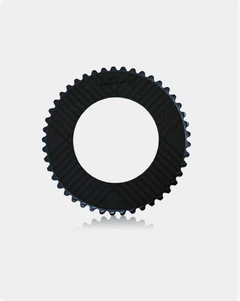
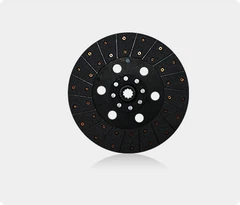
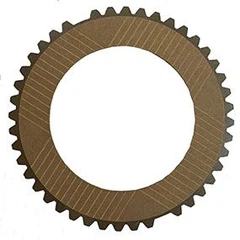
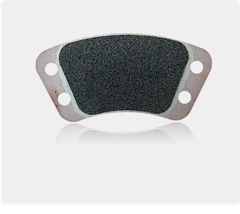
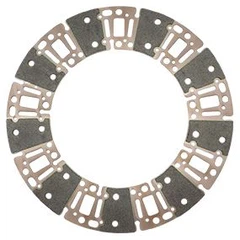
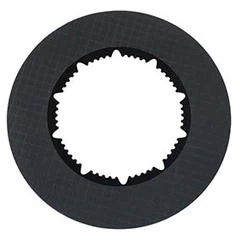
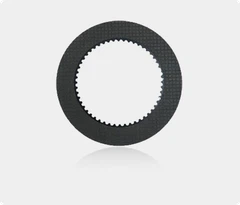
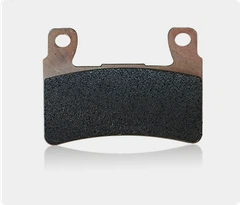
The clutch button is typically made of high - quality materials such as copper or sintered metals, which are designed to withstand the high pressures and friction generated during the clutch operation. For example, our High Efficiency Cushion Button Clutch is engineered with advanced cushioning technology to ensure smooth engagement and disengagement. And the Premium Copper Clutch Button offers excellent heat dissipation properties, which is crucial for maintaining the performance of the clutch system under heavy use.
How a Worn - Out Clutch Button Can Affect the Clutch System
Over time, clutch buttons can wear out due to constant use. The friction and pressure they endure during every clutch operation gradually erode the material of the button. When a clutch button is worn out, several problems can occur in the clutch system.
Firstly, a worn - out clutch button may not be able to transfer the force from the clutch pedal effectively to the clutch mechanism. This can result in incomplete disengagement of the clutch. When you try to shift gears, the gears may grind because the clutch is not fully disengaged. This not only causes damage to the transmission but also affects the overall drivability of the vehicle.
Secondly, a worn - out clutch button can lead to inconsistent clutch engagement. Instead of a smooth and gradual engagement, the clutch may engage suddenly or unevenly. This can cause the vehicle to jerk, which is not only uncomfortable for the driver and passengers but also puts additional stress on the engine and other components of the drivetrain.
The Link between a Worn - Out Clutch Button and Engine Stalling
Now, let's address the main question: Can a worn - out clutch button cause the engine to stall? The answer is yes, although it is not a direct cause. A worn - out clutch button can contribute to engine stalling in several ways.
As mentioned earlier, a worn - out clutch button can cause inconsistent clutch engagement. When the clutch engages suddenly or unevenly, it can put a significant load on the engine. If the engine is not able to handle this sudden load, it may stall. For example, when you are starting the vehicle from a stop, a sudden clutch engagement can cause the engine to bog down and eventually stall.
In addition, incomplete disengagement of the clutch due to a worn - out clutch button can also lead to engine stalling. When you try to shift gears and the clutch is not fully disengaged, the engine is still connected to the transmission. If you release the clutch pedal too quickly or try to accelerate while the gears are not properly engaged, the engine may stall because it is being forced to work against the resistance of the transmission.


Signs of a Worn - Out Clutch Button
It's important to be able to recognize the signs of a worn - out clutch button so that you can replace it before it causes more serious problems. Some common signs include:
- Difficulty shifting gears: If you notice that it is becoming harder to shift gears or if the gears grind when you shift, it could be a sign of a worn - out clutch button.
- Jerking or shuddering: When the clutch engages, if the vehicle jerks or shudders, it may indicate that the clutch button is worn out.
- Clutch pedal feel: A worn - out clutch button can also affect the feel of the clutch pedal. You may notice that the pedal feels spongy or that it requires more effort to press.
Preventive Measures and Replacement
To prevent a worn - out clutch button from causing engine stalling and other problems, regular maintenance is essential. Check the clutch system regularly for signs of wear and tear, and replace the clutch button as soon as you notice any issues.
When it comes to replacing the clutch button, it's important to choose a high - quality replacement part. Our High Reliability Sintered Clutch Button is a great choice. It is made of sintered materials, which offer high strength and durability. This ensures that the clutch button can withstand the harsh conditions of the clutch system and provide reliable performance for a long time.
Conclusion
In conclusion, a worn - out clutch button can indeed cause the engine to stall, although it is usually an indirect cause. By understanding the role of the clutch button, the signs of wear and tear, and taking preventive measures, you can avoid engine stalling and other problems associated with a worn - out clutch button.
If you are experiencing any issues with your clutch system or are in need of a high - quality clutch button, don't hesitate to contact us. We are a professional clutch button supplier, and we are committed to providing our customers with the best products and services. Whether you need a High Efficiency Cushion Button Clutch, a Premium Copper Clutch Button, or a High Reliability Sintered Clutch Button, we have the right solution for you. Contact us today to discuss your requirements and start a procurement negotiation.
References
- Automotive Clutch Systems: Design, Analysis, and Applications. Publisher: SAE International.
- Handbook of Automotive Friction Materials. Author: David D. Doll. Publisher: Woodhead Publishing.


