
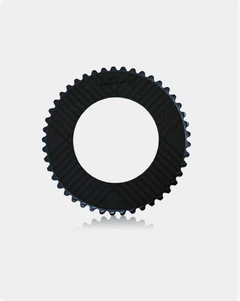
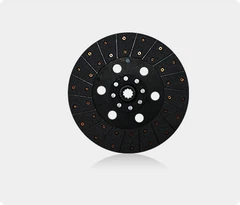
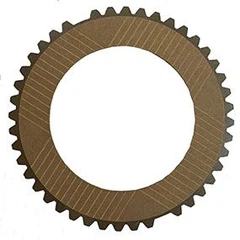
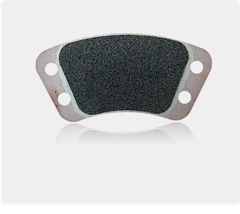
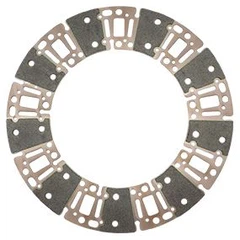
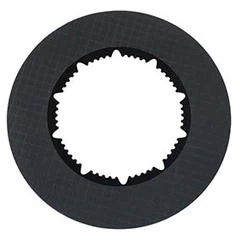
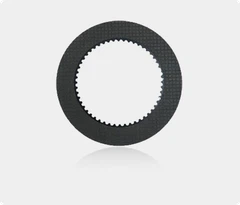
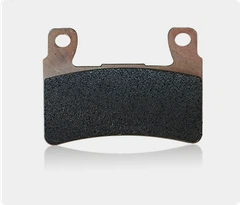



Yo, folks! I'm a supplier of Military Tanks Friction Brake Pads, and today I wanna dig into a pretty interesting question: Can military tanks friction brake pads be used in self - propelled artillery?

Let's start by getting a basic understanding of what military tanks and self - propelled artillery are. Military tanks are like the heavy - hitters on the battlefield. They're built to be super tough, with thick armor to protect the crew and powerful weapons to take out enemy targets. Tanks need to be highly mobile and able to stop on a dime, which is where high - performance friction brake pads come in.
Self - propelled artillery, on the other hand, is mainly used for long - range fire support. It's designed to move around the battlefield and quickly set up to fire large - caliber shells. While it also needs to be mobile, its operational requirements are a bit different from those of a tank.
Now, let's talk about the friction brake pads themselves. The brake pads in military tanks are engineered to handle some seriously extreme conditions. Tanks are heavy beasts, often weighing dozens of tons. When they're moving at high speeds and need to stop suddenly, the brake pads have to generate a huge amount of friction to bring the tank to a halt. This means they're made from high - quality materials that can withstand high temperatures, high pressures, and a lot of wear and tear.
One of the key factors to consider is the weight difference between tanks and self - propelled artillery. Tanks are generally heavier, so their brake pads are designed to handle the extra mass. Self - propelled artillery, while still heavy, may not require the same level of braking power as a tank. If we were to use tank brake pads on self - propelled artillery, it might be overkill. The excessive braking force could potentially cause problems with the artillery's suspension, wheels, or tracks, leading to premature wear or even damage.
Another important aspect is the heat dissipation. Tanks are often put through intense combat situations where they may have to brake repeatedly in quick succession. This generates a ton of heat, and tank brake pads are designed to dissipate that heat effectively to prevent brake fade. Self - propelled artillery, however, may not experience the same level of continuous, high - intensity braking. So, the heat management requirements for their brake pads could be different. Using tank brake pads might mean that the artillery's braking system is over - engineered for heat dissipation, which could add unnecessary cost and complexity.
But hey, there are also some similarities between the two. Both tanks and self - propelled artillery operate in rough, battlefield environments. They need brake pads that can resist dirt, dust, and water. And they both rely on reliable braking systems to ensure the safety of the crew and the effectiveness of their mission.
If the self - propelled artillery has a similar weight and operational profile to a tank, then it might be possible to use military tanks friction brake pads. For example, if an artillery piece is used in a high - mobility, high - stress combat scenario where it needs to stop quickly and frequently, the tank brake pads could potentially be a good fit. However, a thorough evaluation of the artillery's specific requirements would be necessary.
We also need to think about the maintenance aspect. Tank brake pads are designed to be maintained according to tanks' maintenance schedules and requirements. Self - propelled artillery may have its own unique maintenance procedures. Using tank brake pads in self - propelled artillery might require adjustments to the maintenance routine, which could be an added hassle for the military personnel.
On the cost side, military tanks friction brake pads are usually high - end products and can be quite expensive. If self - propelled artillery doesn't really need the high - end performance of tank brake pads, using them would be a waste of money. The military could potentially find more cost - effective brake pads that are specifically designed for self - propelled artillery.
In some cases, though, there could be advantages to using tank brake pads in self - propelled artillery. If a military unit has a large inventory of tank brake pads and is facing a shortage of self - propelled artillery brake pads, it might be a temporary solution. And in situations where there's a need for a quick replacement and no suitable artillery - specific brake pads are available, tank brake pads could keep the self - propelled artillery in operation.
However, it's clear that a one - size - fits - all approach doesn't work here. Before deciding whether to use military tanks friction brake pads in self - propelled artillery, an in - depth analysis of the artillery's weight, speed, braking frequency, operational environment, and maintenance capabilities is essential.
As a supplier of Military Tanks Friction Brake Pads, I know how important it is to provide the right products for the right applications. If you're in the military or involved in the procurement of military equipment, and you're wondering about the suitability of tank brake pads for your self - propelled artillery, I'd be more than happy to have a chat with you. We can work together to figure out if our high - quality tank brake pads are the right choice for your needs, or if we need to explore other options.
If you're interested in discussing further, just reach out, and we can start the conversation about how to meet your braking requirements in the most efficient and cost - effective way.
References
- Various military equipment manuals and specifications for information on weights, speeds, and operational profiles of tanks and self - propelled artillery.
- Technical documents on friction brake pad materials and performance characteristics from brake pad manufacturers.


