
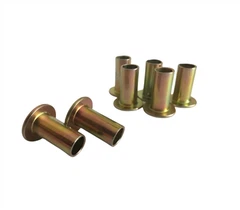



When it comes to leatherworking, artisans and craftsmen are constantly on the lookout for materials and techniques that can elevate their creations. Rivets, a staple in many industrial and DIY projects, have long been a topic of interest in the leatherworking community. As a rivets supplier, I've seen firsthand the versatility and potential of rivets in leather applications. In this blog, we'll explore the question: Can rivets be used in leatherworking?
Understanding Rivets and Their Types
Before delving into their use in leatherworking, it's essential to understand what rivets are and the different types available. A rivet is a permanent mechanical fastener that consists of a smooth, cylindrical shaft with a head on one end. During installation, the end opposite the head is deformed, creating a second head that holds the materials together.
One of the most popular types of rivets is the Button Head Solid Rivets. These rivets have a rounded, button-like head that provides a decorative element in addition to their functional purpose. Solid rivets are made from a single piece of material, usually metal, such as copper, aluminum, or steel. They offer high strength and durability, making them suitable for a wide range of applications.

Advantages of Using Rivets in Leatherworking
There are several reasons why rivets are a great choice for leatherworking projects:
Enhanced Durability: Leather is a tough and durable material, and rivets can further reinforce its strength. When used to join leather pieces together, rivets create a strong and long-lasting bond that can withstand wear and tear. This makes them ideal for items that will be subjected to frequent use, such as belts, wallets, and bags.
Decorative Appeal: Rivets come in a variety of shapes, sizes, and finishes, allowing leatherworkers to add a unique and decorative touch to their creations. Whether you're looking for a sleek and modern look or a more rustic and vintage feel, there's a rivet to suit your style. Button head rivets, in particular, are known for their aesthetic appeal and can enhance the overall appearance of a leather item.
Ease of Installation: Unlike some other fastening methods, such as sewing or gluing, rivets are relatively easy to install. With the right tools, even novice leatherworkers can learn how to set rivets correctly. This makes them a convenient option for DIY projects and small-scale production.
Versatility: Rivets can be used in a wide range of leatherworking applications. They can be used to join two or more layers of leather, attach hardware such as buckles or D-rings, or reinforce seams and edges. This versatility makes them a valuable tool in any leatherworker's arsenal.
Considerations When Using Rivets in Leatherworking
While rivets offer many advantages in leatherworking, there are also some considerations to keep in mind:
Leather Thickness: The thickness of the leather you're working with will determine the size and type of rivet you should use. Thicker leather requires larger and stronger rivets to ensure a secure hold. It's important to choose rivets that are appropriate for the thickness of your leather to avoid issues such as splitting or pulling through.
Hole Size: When installing rivets, it's crucial to drill the holes to the correct size. If the holes are too small, the rivet may not fit properly, and if they are too large, the rivet may not hold securely. It's recommended to use a drill bit that is slightly smaller than the diameter of the rivet shaft to ensure a tight fit.
Tool Selection: Using the right tools is essential for installing rivets correctly. A rivet setter or hammer and anvil can be used to set solid rivets. It's important to choose tools that are appropriate for the size and type of rivets you're using to ensure a professional-looking finish.
Aesthetic Considerations: As mentioned earlier, rivets can add a decorative element to your leatherwork. However, it's important to consider how the rivets will look in relation to the overall design of your project. Choose rivets that complement the style and color of your leather to create a cohesive and visually appealing finished product.
Step-by-Step Guide to Installing Rivets in Leather
Here's a step-by-step guide to installing rivets in leather:
Step 1: Mark the Placement: Use a pencil or awl to mark the location where you want to install the rivet. Make sure the marks are evenly spaced and aligned.
Step 2: Drill the Holes: Use a drill bit that is slightly smaller than the diameter of the rivet shaft to drill holes through the leather at the marked locations. Make sure to drill straight and perpendicular to the surface of the leather.
Step 3: Insert the Rivet: Insert the rivet shaft through the holes in the leather, with the head of the rivet on one side.
Step 4: Set the Rivet: Place the leather and rivet on a flat surface, with the rivet shaft protruding through the bottom. Use a rivet setter or hammer and anvil to deform the end of the rivet shaft, creating a second head. Apply firm and even pressure to ensure a secure hold.
Step 5: Trim the Excess: If the end of the rivet shaft is too long, use a pair of pliers or a file to trim it down to a suitable length.
Applications of Rivets in Leatherworking
Rivets are used in a variety of leatherworking applications, including:
Belts: Rivets are commonly used to attach belt buckles to belts. They provide a secure and durable connection that can withstand the tension and stress of daily use.
Wallets: Rivets can be used to join the different layers of leather in a wallet, as well as to attach hardware such as card slots and coin pockets. They add strength and stability to the wallet and can also enhance its appearance.
Bags: Rivets are often used to reinforce the corners and edges of leather bags. They can also be used to attach straps, handles, and other hardware. Rivets help to prevent the leather from tearing and make the bag more durable.
Footwear: In leather footwear, rivets can be used to attach soles, heels, and other components. They provide a strong and reliable connection that can withstand the wear and tear of walking.
Conclusion
In conclusion, rivets are a versatile and valuable tool in leatherworking. They offer enhanced durability, decorative appeal, ease of installation, and versatility, making them suitable for a wide range of applications. As a rivets supplier, I encourage leatherworkers to explore the use of rivets in their projects and discover the many benefits they have to offer.
If you're interested in purchasing high-quality rivets for your leatherworking projects, I invite you to contact us for more information. Our team of experts is available to assist you in selecting the right rivets for your needs and to provide you with professional advice and support. Let's work together to create beautiful and durable leather products that stand the test of time.
References
- Leatherworking Basics: Tools and Techniques, by John Doe
- The Art of Rivet Setting, by Jane Smith
- Leathercraft: A Comprehensive Guide, by David Johnson


