




When it comes to fastening materials, rivets are a popular choice known for their durability and strength. Commonly associated with metalworking, many people wonder if rivets can be used on wood. As a rivets supplier, I've encountered this question numerous times, and in this blog post, I'll delve into the feasibility, advantages, and considerations of using rivets on wood.
The Feasibility of Using Rivets on Wood
In short, yes, rivets can be used on wood. However, it's important to understand that the process and the type of rivets used differ from those in metal applications. Wood is a porous and fibrous material, which means it requires a different approach to ensure a secure and long - lasting connection.
Types of Rivets Suitable for Wood
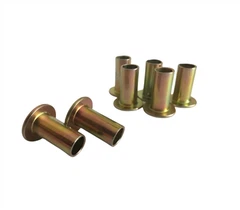
- Button Head Solid Rivets: These are a great option for wood applications. The button head provides a larger surface area in contact with the wood, distributing the load more evenly and reducing the risk of the rivet pulling through the wood. You can explore our Button Head Solid Rivets for high - quality options suitable for wood. Solid rivets are made from a single piece of metal, which gives them excellent strength.
- Blind Rivets: Blind rivets can also be used on wood, especially when access to only one side of the wood is possible. They are installed by pulling on a mandrel, which expands the rivet body and creates a tight fit. This makes them convenient for applications where it's difficult to reach the backside of the wood.
Advantages of Using Rivets on Wood
Strength and Durability
Rivets provide a strong and permanent connection. Unlike nails, which can work loose over time due to vibration or movement, rivets form a more secure bond. This makes them ideal for wood structures that need to withstand significant stress, such as furniture frames, wooden boats, or outdoor wooden structures.
Aesthetic Appeal
Rivets can add a unique and industrial look to wood projects. They can be used as both a functional and decorative element. For example, in rustic or industrial - style furniture, visible rivets can enhance the overall design and give the piece a more rugged charm.
Resistance to Shear and Tensile Forces
Wood joints held together by rivets are better able to resist shear and tensile forces. Shear forces occur when two parts of the wood are pushed in opposite directions parallel to the joint, while tensile forces pull the joint apart. Rivets distribute these forces more effectively than other fasteners, reducing the risk of joint failure.
Considerations When Using Rivets on Wood
Wood Type and Density
The type and density of the wood play a crucial role in the success of using rivets. Hardwoods, such as oak, maple, and walnut, are generally more suitable for riveting because they are denser and can better hold the rivets in place. Softwoods, like pine or cedar, may require special considerations, as they are more prone to splitting. Pre - drilling holes slightly smaller than the rivet diameter can help prevent splitting in softer woods.
Hole Drilling
Proper hole drilling is essential for a successful rivet installation on wood. The holes should be drilled straight and to the correct diameter. If the holes are too large, the rivet may not hold securely, and if they are too small, it can cause the wood to split. It's recommended to use sharp drill bits to ensure clean and accurate holes.
Rivet Installation Technique
The installation technique for rivets on wood is different from that on metal. When setting a rivet, it's important to apply even pressure to ensure a proper fit. Using a rivet gun or a hammer and a bucking bar, the rivet should be deformed in a way that it fills the hole and creates a tight connection without damaging the wood.
Applications of Rivets in Woodworking
Furniture Making
In furniture making, rivets can be used to join different parts of a frame, such as legs to a tabletop or side panels to a cabinet. They can also be used to attach decorative elements, like metal accents or handles. For example, in a modern - style coffee table, rivets can be used to connect the metal legs to the wooden top, creating a sleek and sturdy design.
Boat Building
Wooden boats often require strong and reliable joints to withstand the forces of water and waves. Rivets are commonly used to fasten planks together, as well as to attach hardware, such as cleats, hinges, and winches. Their resistance to corrosion and high - strength properties make them a preferred choice in this demanding application.
Woodworking Crafts
In woodworking crafts, rivets can add a unique touch to projects. For instance, in a wooden jewelry box, rivets can be used to attach decorative metal inlays or to reinforce the corners. They can also be used in the creation of wooden sculptures or wall art to add an industrial or contemporary element.
Maintenance and Long - Term Performance
Once rivets are installed on wood, they generally require little maintenance. However, it's important to check the joints periodically, especially in applications where the wood is exposed to the elements or significant stress. If any signs of loosening or damage are detected, the rivets should be replaced promptly to ensure the continued integrity of the structure.
In outdoor applications, it's advisable to protect the wood and the rivets from moisture and corrosion. Applying a protective finish, such as paint, varnish, or a waterproof sealant, can help extend the life of both the wood and the rivets.
Conclusion
In conclusion, rivets can indeed be used on wood, offering a range of benefits in terms of strength, durability, and aesthetic appeal. As a rivets supplier, we have a wide selection of rivets suitable for wood applications, including Button Head Solid Rivets. Whether you're a professional woodworker or a DIY enthusiast, rivets can be a valuable addition to your fastening options.

If you're interested in purchasing rivets for your wood projects or have any questions about their use, please feel free to contact us. We're here to provide you with the best products and advice to ensure the success of your projects.
References
- "Woodworking Basics: Fasteners and Joints" by Popular Woodworking Magazine
- "The Complete Guide to Boat Building" by Wooden Boat Publications
- "Furniture Making Techniques" by Fine Woodworking Press


