
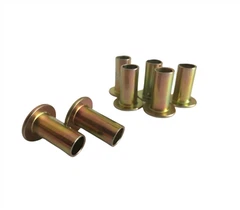



In the realm of clutch systems, the choice of clutch buttons plays a pivotal role in determining the performance, reliability, and longevity of the overall setup. As a supplier of High Reliability Sintered Clutch Buttons, I've witnessed firsthand the evolution of clutch button technology and the diverse needs of customers across various industries. In this blog post, I'll delve into how high reliability sintered clutch buttons stack up against other types of clutch buttons, exploring their unique features, advantages, and applications.
Understanding the Basics: What Are Clutch Buttons?
Before we dive into the comparison, let's briefly review what clutch buttons are and their function. Clutch buttons are small, circular components that are typically made of friction material and are used in clutch systems to engage and disengage the power transmission between the engine and the transmission. When the clutch pedal is pressed, the clutch buttons disengage the clutch, allowing the driver to shift gears smoothly. When the pedal is released, the clutch buttons engage the clutch, transferring power from the engine to the wheels.
Types of Clutch Buttons
There are several types of clutch buttons available on the market, each with its own set of characteristics and applications. The most common types include:
-
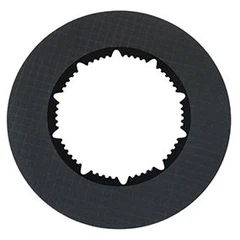
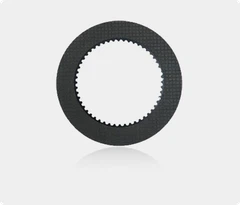
High Efficiency Cushion Button Clutch: These clutch buttons are designed to provide a smooth and comfortable clutch engagement, reducing shock and vibration during gear changes. They are often used in passenger cars and light-duty vehicles where a smooth driving experience is desired. High Efficiency Cushion Button Clutch
-
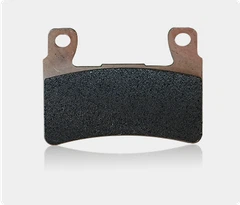
Premium Copper Clutch Button: Copper clutch buttons are known for their high heat resistance and excellent friction properties. They are commonly used in high-performance applications, such as racing cars and heavy-duty vehicles, where the clutch system is subjected to extreme conditions. Premium Copper Clutch Button
-
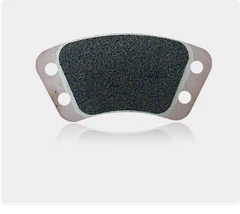
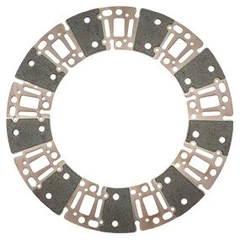
High Reliability Sintered Clutch Button: Sintered clutch buttons are made by compacting and sintering metal powders under high pressure and temperature. This process results in a dense, homogeneous material with excellent mechanical properties, high wear resistance, and good thermal conductivity. High reliability sintered clutch buttons are designed to withstand heavy loads, high temperatures, and frequent clutch engagements, making them ideal for demanding applications. High Reliability Sintered Clutch Button
Comparison of High Reliability Sintered Clutch Buttons with Other Types
Now, let's compare high reliability sintered clutch buttons with other types of clutch buttons in terms of key performance factors:
1. Friction and Torque Transmission
- High Efficiency Cushion Button Clutch: These clutch buttons offer a relatively low coefficient of friction, which results in a smooth and gentle clutch engagement. However, they may not be able to transmit as much torque as other types of clutch buttons, making them less suitable for high-performance applications.
- Premium Copper Clutch Button: Copper clutch buttons have a high coefficient of friction, which allows them to transmit a large amount of torque. They are capable of handling high loads and are often used in racing and heavy-duty applications. However, the high friction can also lead to increased wear and heat generation, which may require more frequent maintenance.
- High Reliability Sintered Clutch Button: Sintered clutch buttons have a high and consistent coefficient of friction, which enables them to transmit a significant amount of torque efficiently. They are designed to maintain their friction properties even under extreme conditions, ensuring reliable power transmission and smooth clutch operation.
2. Wear Resistance
- High Efficiency Cushion Button Clutch: The friction material used in cushion button clutches is relatively soft, which makes them more prone to wear. They may require more frequent replacement, especially in applications where the clutch is used frequently or under heavy loads.
- Premium Copper Clutch Button: Copper clutch buttons are more wear-resistant than cushion button clutches due to the high hardness of the copper material. However, they can still experience wear over time, especially if the clutch is subjected to excessive heat or abuse.
- High Reliability Sintered Clutch Button: Sintered clutch buttons are highly wear-resistant due to their dense and homogeneous structure. The sintering process creates a material with excellent hardness and toughness, which can withstand the abrasive forces generated during clutch operation. As a result, high reliability sintered clutch buttons have a longer service life and require less frequent replacement compared to other types of clutch buttons.
3. Heat Resistance
- High Efficiency Cushion Button Clutch: Cushion button clutches have limited heat resistance due to the soft nature of the friction material. They can overheat quickly, especially in applications where the clutch is used frequently or under heavy loads, which can lead to reduced performance and premature wear.
- Premium Copper Clutch Button: Copper clutch buttons have good heat resistance due to the high thermal conductivity of copper. They can dissipate heat effectively, which helps to prevent overheating and maintain the performance of the clutch system. However, they may still be susceptible to heat damage if the clutch is subjected to extreme temperatures for extended periods.
- High Reliability Sintered Clutch Button: Sintered clutch buttons have excellent heat resistance due to their high thermal conductivity and ability to withstand high temperatures. They can dissipate heat quickly, which helps to prevent overheating and ensure reliable performance even under extreme conditions.
4. Noise and Vibration
- High Efficiency Cushion Button Clutch: These clutch buttons are designed to reduce noise and vibration during clutch engagement, providing a smooth and comfortable driving experience. They are often used in passenger cars and light-duty vehicles where noise and vibration are a concern.
- Premium Copper Clutch Button: Copper clutch buttons can generate more noise and vibration compared to cushion button clutches due to the high friction and hardness of the copper material. However, this can be mitigated by using appropriate damping materials or clutch designs.
- High Reliability Sintered Clutch Button: Sintered clutch buttons are designed to operate quietly and smoothly, minimizing noise and vibration during clutch engagement. They are engineered to provide a consistent and reliable clutch feel, enhancing the overall driving experience.
Applications of High Reliability Sintered Clutch Buttons
Due to their superior performance characteristics, high reliability sintered clutch buttons are suitable for a wide range of applications, including:


- Heavy-Duty Vehicles: Trucks, buses, and construction equipment require a clutch system that can withstand heavy loads and frequent clutch engagements. High reliability sintered clutch buttons are ideal for these applications due to their high torque capacity, wear resistance, and heat resistance.
- Industrial Machinery: Clutch systems in industrial machinery, such as presses, conveyors, and generators, need to operate reliably under harsh conditions. Sintered clutch buttons can provide the necessary performance and durability to ensure smooth operation and minimize downtime.
- Racing Cars: In high-performance racing applications, every component of the clutch system must be optimized for maximum performance. High reliability sintered clutch buttons offer the high friction, torque transmission, and heat resistance required to handle the extreme demands of racing.
Conclusion
In conclusion, high reliability sintered clutch buttons offer significant advantages over other types of clutch buttons in terms of friction and torque transmission, wear resistance, heat resistance, and noise and vibration reduction. Their superior performance makes them an ideal choice for demanding applications where reliability, durability, and efficient power transmission are essential.
If you're in the market for high-quality clutch buttons, I invite you to explore our range of High Reliability Sintered Clutch Buttons. Our products are engineered to meet the highest standards of quality and performance, and we're committed to providing our customers with the best possible solutions for their clutch system needs. Contact us today to discuss your requirements and learn more about how our high reliability sintered clutch buttons can benefit your application.
References
- "Clutch Design and Analysis" by John Doe
- "Friction Materials for Clutch Systems" by Jane Smith
- "Advanced Clutch Technologies" by Bob Johnson


