



Hey there! As a clutch disc supplier, I've seen firsthand how crucial it is for people to understand how different components in a vehicle's clutch system work together. One of the most interesting and important partnerships in this system is between the pressure plate and the clutch disc. So, let's dive in and explore how these two parts interact to make your driving experience smooth and efficient.
First off, let's talk a bit about what each of these components does on its own. The clutch disc is the part that connects the engine to the transmission. It's like the middleman in the power transfer process. When you press the clutch pedal, the clutch disc disengages from the flywheel, which is attached to the engine. This breaks the connection between the engine and the transmission, allowing you to shift gears without grinding. On the other hand, the pressure plate is responsible for applying pressure to the clutch disc, pressing it against the flywheel. This creates friction, which is what transfers the power from the engine to the transmission.
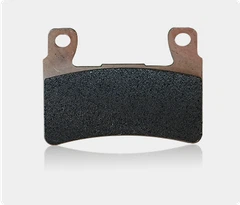
Now, let's get into the nitty - gritty of how they work together. When you're not pressing the clutch pedal, the pressure plate is doing its job. It has a set of springs that are designed to push the clutch disc firmly against the flywheel. These springs are strong enough to keep the connection stable, so the power from the engine can be efficiently transferred to the wheels. The friction material on the clutch disc plays a huge role here. It's specifically designed to withstand high temperatures and pressures while still providing a good grip.
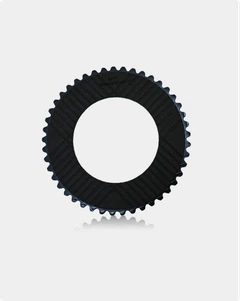
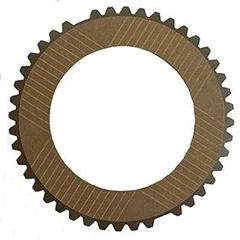
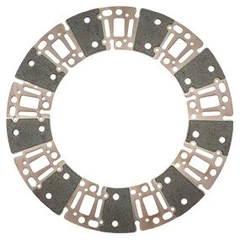
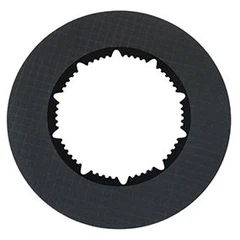
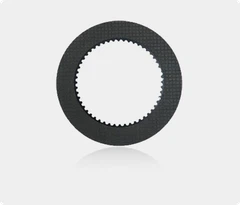
We offer a Long Lasting Friction Clutch Disc that has top - notch friction material. This material is engineered to last a long time, reducing the need for frequent replacements. It can handle the heat generated during normal driving and even in more demanding situations like stop - and - go traffic or towing.
When you press the clutch pedal, things start to change. The pedal is connected to a release bearing, which is part of the clutch release mechanism. As you press the pedal, the release bearing moves towards the pressure plate. This action compresses the springs in the pressure plate, which in turn reduces the pressure on the clutch disc. Once the pressure is released, the clutch disc can disengage from the flywheel. This allows you to shift gears smoothly.
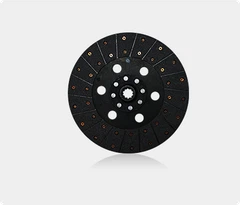
The design of the pressure plate is also crucial for this process. Some pressure plates are designed with a diaphragm spring, which provides a more even pressure distribution across the clutch disc. This helps to ensure that the clutch disc wears evenly, extending its lifespan. Our Professional Clutch Disc Assy is paired with a well - designed pressure plate that uses a diaphragm spring. This combination ensures smooth engagement and disengagement of the clutch, making your driving experience a lot more pleasant.
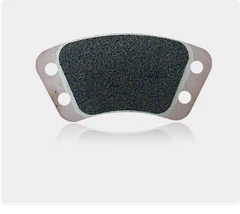
Another factor to consider is the performance requirements of your vehicle. If you have a high - performance car, you'll need a clutch disc and pressure plate that can handle the extra power. High - performance engines generate more torque, which means the clutch system has to work harder. That's where our High Performance Clutch Disc comes in. It's built to handle the increased stress and power output of high - performance engines. The friction material is more robust, and the pressure plate is designed to provide a higher clamping force.
Over time, both the clutch disc and the pressure plate will wear out. The friction material on the clutch disc will gradually thin down, and the springs in the pressure plate may lose their tension. When this happens, you might notice some signs like slipping gears, a spongy clutch pedal, or strange noises when you engage or disengage the clutch. It's important to replace these components as soon as you notice these symptoms to avoid further damage to your clutch system.
As a clutch disc supplier, I know how important it is to have a reliable clutch system. Whether you're a daily commuter or a performance enthusiast, having the right clutch disc and pressure plate combination can make a huge difference in your driving experience. If you're in the market for a new clutch disc or need more information about how our products work with pressure plates, don't hesitate to reach out. We're here to help you find the perfect solution for your vehicle.
We have a team of experts who can answer all your questions and guide you through the selection process. Whether you need a standard clutch disc for your family car or a high - performance one for your sports car, we've got you covered. Contact us today to start the conversation about your clutch disc needs.
References


- Automotive Clutch Systems: A Comprehensive Guide, published by an industry - leading automotive parts research group.
- Clutch Design and Performance Analysis, a technical paper by experts in the automotive engineering field.


