
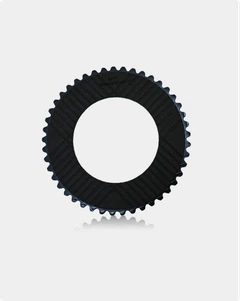
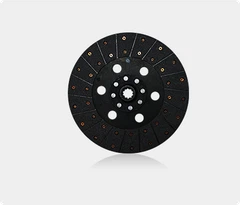
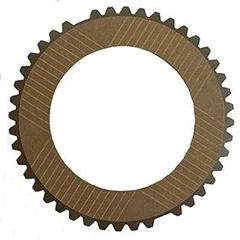
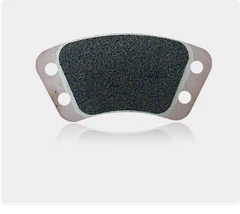
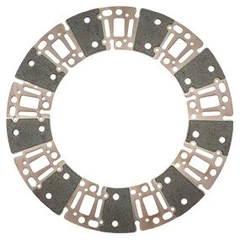
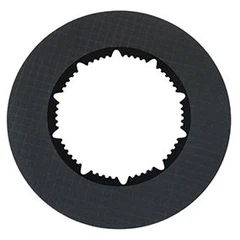
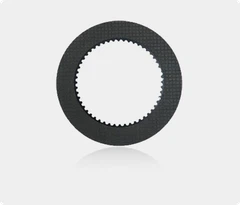
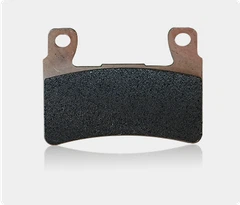



Wear resistant sintered clutch plates are crucial components in various mechanical systems, providing reliable power transmission and control. However, like any mechanical part, they can encounter problems over time. As a supplier of wear resistant sintered clutch plates, I understand the importance of troubleshooting these issues effectively. In this blog post, I'll share some insights on how to troubleshoot problems with wear resistant sintered clutch plates.
Understanding the Basics of Wear Resistant Sintered Clutch Plates
Before diving into troubleshooting, it's essential to have a basic understanding of wear resistant sintered clutch plates. These clutch plates are made through a sintering process, which involves compacting and heating metal powders to form a solid mass. The resulting plates offer high wear resistance, excellent friction characteristics, and good heat dissipation properties. They are commonly used in automotive, industrial, and agricultural applications where reliable clutch performance is required.
Common Problems with Wear Resistant Sintered Clutch Plates
Several issues can arise with wear resistant sintered clutch plates. Here are some of the most common problems and their possible causes:
1. Excessive Wear
Excessive wear is one of the most prevalent problems with clutch plates. It can be caused by several factors, including:

- Improper Installation: Incorrect installation can lead to uneven pressure distribution on the clutch plates, causing premature wear.
- Overloading: Operating the clutch under heavy loads or in high - stress conditions can accelerate wear.
- Poor Lubrication: Insufficient or contaminated lubrication can increase friction and wear on the clutch plates.
- Low - Quality Materials: Using sub - standard clutch plate materials can result in faster wear. You can learn more about Clutch Plate Material to ensure you are using high - quality options.
2. Slippage
Clutch slippage occurs when the clutch fails to transmit power effectively from the engine to the transmission. This can be due to:
- Worn Friction Surfaces: As the friction material on the clutch plates wears down, it loses its ability to grip, leading to slippage.
- Weak Pressure Plate Springs: If the pressure plate springs are weak or damaged, they may not apply enough pressure to hold the clutch plates together, causing slippage.
- Oil Contamination: Oil on the clutch plates can reduce friction and cause slippage. This can be a result of a leaking seal or improper lubrication.
3. Chattering
Chattering is a vibration or noise that occurs when the clutch engages. Possible causes include:
- Uneven Friction Surfaces: Uneven wear or damage to the friction surfaces can cause the clutch to engage unevenly, resulting in chattering.
- Loose or Worn Components: Loose bolts, worn splines, or other damaged components in the clutch assembly can contribute to chattering.
- Contaminated Friction Material: Dirt, debris, or oil on the friction material can cause inconsistent friction and chattering.
4. Noise
Unusual noises from the clutch can indicate various problems. Some common causes of clutch noise are:
- Worn Bearings: Worn pilot bearings or release bearings can produce a grinding or whining noise.
- Damaged Clutch Components: Cracked or broken clutch plates, pressure plates, or flywheels can also cause noise.
- Improper Adjustment: Incorrect clutch adjustment can lead to noise during engagement or disengagement.
Troubleshooting Steps
Once you have identified the problem, you can follow these steps to troubleshoot and resolve it:
1. Visual Inspection
Start by visually inspecting the clutch plates and the entire clutch assembly. Look for signs of wear, damage, or contamination. Check for uneven wear patterns on the friction surfaces, cracks in the plates, and any signs of oil or debris. Inspect the pressure plate, springs, and release bearings for damage or wear.
2. Check for Proper Installation
Ensure that the clutch plates are installed correctly. Check the alignment of the plates, the tightness of the bolts, and the proper seating of the components. Refer to the manufacturer's installation instructions to verify that all steps have been followed.
3. Measure Wear
Use appropriate measuring tools to determine the thickness of the clutch plates. Compare the measurements with the manufacturer's specifications. If the plates are worn beyond the recommended limit, they should be replaced.
4. Check Lubrication
Inspect the lubrication system to ensure that it is providing adequate and clean lubrication to the clutch. Check for leaks in the lubrication lines and replace any contaminated lubricant.
5. Test the Pressure Plate
Test the pressure plate springs to ensure that they are providing the correct amount of pressure. You can use a spring tester to measure the spring force. If the springs are weak or damaged, they should be replaced.
6. Adjust the Clutch
If the clutch is not engaging or disengaging properly, it may need to be adjusted. Follow the manufacturer's instructions to adjust the clutch pedal free play and the clutch engagement point.
Preventive Maintenance
Preventive maintenance is key to avoiding problems with wear resistant sintered clutch plates. Here are some tips:
- Regular Inspections: Conduct regular visual inspections of the clutch assembly to detect any signs of wear or damage early.
- Proper Installation: Always follow the manufacturer's installation instructions to ensure correct installation.
- Load Management: Avoid overloading the clutch and operate it within its recommended specifications.
- Lubrication Maintenance: Keep the lubrication system clean and ensure proper lubrication levels.
- Use High - Quality Materials: Choose high - quality Cost Effective Friction Plate Material to ensure long - lasting performance.
Corrosion Resistant Options
In some environments, corrosion can be a concern for clutch plates. Using Corrosion Resistant Clutch Friction Plate Facing can help prevent corrosion - related problems. These plates are designed to withstand harsh conditions and maintain their performance over time.
Conclusion
Troubleshooting problems with wear resistant sintered clutch plates requires a systematic approach. By understanding the common problems, their causes, and following the appropriate troubleshooting steps, you can effectively diagnose and resolve issues. As a supplier of wear resistant sintered clutch plates, I am committed to providing high - quality products and technical support to help you keep your clutch systems running smoothly.
If you are experiencing problems with your clutch plates or are looking for reliable wear resistant sintered clutch plate solutions, I encourage you to contact me for further discussion. We can explore the best options for your specific application and ensure that you get the most out of your clutch system.
References
- Automotive Clutch Systems Handbook, published by an industry - leading automotive engineering association.
- Technical manuals provided by clutch plate manufacturers.


