
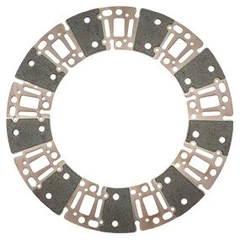
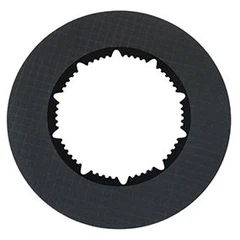
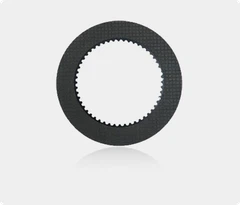
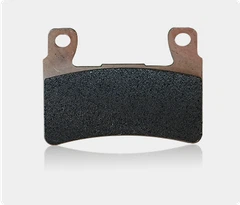



A clutch plate is a fundamental component in the power transmission system of various vehicles and machinery, playing a pivotal role in enabling smooth and efficient operation. As a supplier of clutch plates, I am well - versed in the intricacies of this essential part and eager to share in - depth knowledge about it.
What is a Clutch Plate?
At its core, a clutch plate is a disc - shaped device that is a key part of the clutch system. The clutch system is responsible for engaging and disengaging the power flow between the engine and the transmission. When the clutch pedal is depressed in a manual transmission vehicle, the clutch plate separates from the flywheel, interrupting the power transfer from the engine to the wheels, allowing the driver to change gears. When the pedal is released, the clutch plate re - engages with the flywheel, and power is once again transmitted to the wheels.
Structure of a Clutch Plate
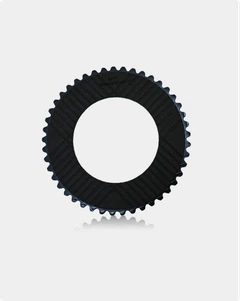
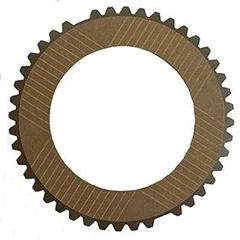
A typical clutch plate consists of several key components. The friction material is perhaps the most crucial part. It is the surface that comes into contact with the flywheel and the pressure plate. The friction material needs to have high coefficients of friction, good heat resistance, and excellent wear resistance. This ensures that it can effectively transfer torque from the engine to the transmission without slipping under normal operating conditions.
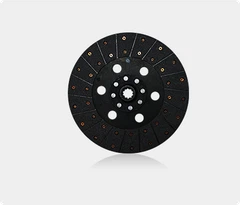
The hub is another important part of the clutch plate. It is located at the center of the disc and is splined to the input shaft of the transmission. The hub allows the clutch plate to rotate with the transmission input shaft while still being able to move axially when the clutch is engaged or disengaged.
There are also springs on the clutch plate, known as torsional springs. These springs are designed to dampen the torsional vibrations that occur during the engagement and disengagement of the clutch. By absorbing these vibrations, the torsional springs help to provide a smoother driving experience and reduce wear on the clutch system components.
Types of Clutch Plates
Organic Clutch Plates
Organic clutch plates are made from a mixture of organic materials such as cellulose, aramid fibers, and phenolic resins. They are known for their smooth engagement, which makes them a popular choice for everyday driving. Organic clutch plates are relatively quiet in operation and offer good wear characteristics. However, they may not be suitable for high - performance applications due to their limited heat - dissipation capabilities.
Ceramic Clutch Plates
Ceramic clutch plates are designed for high - performance and heavy - duty applications. They are made from ceramic materials that can withstand extremely high temperatures. Ceramic clutch plates have a high coefficient of friction, which allows them to transfer large amounts of torque. This makes them ideal for racing cars, trucks, and other vehicles that require high - power transmission. However, ceramic clutch plates can be more expensive and may have a harsher engagement compared to organic clutch plates.
Cost Effective Copper Friction Plate
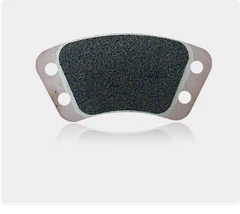
Copper friction plates are a cost - effective alternative that offers a good balance between performance and price. The copper - based friction material provides good heat conductivity, which helps to dissipate heat generated during clutch operation. This reduces the risk of clutch fade and extends the lifespan of the clutch plate. These plates are suitable for a wide range of applications, from light - duty vehicles to some medium - duty industrial machinery.
Clutch Plate Material
The choice of clutch plate material is crucial as it directly affects the performance and durability of the clutch system. Different materials have different properties, and the selection depends on the specific requirements of the application.
Clutch Plate Material
As mentioned earlier, organic, ceramic, and copper - based materials are commonly used. In addition to these, there are also sintered metal clutch plates. Sintered metal clutch plates are made by compacting and sintering metal powders. They offer high strength, excellent heat resistance, and long - term durability. These plates are often used in heavy - duty industrial applications and high - performance vehicles where extreme conditions are expected.
Factors Affecting Clutch Plate Performance
Heat
Heat is one of the most significant factors that affect clutch plate performance. During the engagement and disengagement of the clutch, a large amount of heat is generated due to friction. If the clutch plate cannot dissipate this heat effectively, it can lead to clutch fade, where the friction material loses its ability to grip the flywheel and pressure plate properly. This results in a loss of power transmission and can cause damage to the clutch plate and other components of the clutch system.
Proper ventilation and cooling systems are essential to manage the heat generated by the clutch. Some high - performance vehicles are equipped with additional cooling mechanisms, such as oil - cooled clutches, to ensure that the clutch plate operates within its optimal temperature range.
Wear
Wear is another important factor. Over time, the friction material on the clutch plate will gradually wear down due to the repeated contact with the flywheel and pressure plate. The rate of wear depends on various factors, including driving habits, the type of vehicle, and the quality of the clutch plate. Aggressive driving, such as frequent hard starts and sudden stops, can significantly increase the wear rate of the clutch plate.
Regular inspection of the clutch plate is necessary to detect signs of wear early. If the friction material is worn beyond a certain limit, the clutch plate should be replaced to avoid further damage to the clutch system.
Corrosion
In some environments, clutch plates may be exposed to moisture and corrosive substances. Corrosion Resistant Clutch Friction Plate Facing is designed to resist corrosion, which helps to extend the lifespan of the clutch plate. Corrosion can weaken the structure of the clutch plate and reduce its performance. By using corrosion - resistant materials, the clutch plate can maintain its integrity even in harsh operating conditions.
Our Role as a Clutch Plate Supplier
As a clutch plate supplier, we understand the importance of providing high - quality products. We source the best materials and use advanced manufacturing processes to ensure that our clutch plates meet or exceed industry standards. Our product range includes various types of clutch plates to suit different applications, from standard organic clutch plates for passenger cars to high - performance ceramic clutch plates for racing vehicles.
We also offer technical support to our customers. Whether it's helping them choose the right clutch plate for their specific needs or providing advice on installation and maintenance, our team of experts is always ready to assist.
Contact for Procurement and Negotiation
If you are in the market for clutch plates, we invite you to contact us for procurement and negotiation. We can offer you competitive prices, high - quality products, and excellent customer service. Whether you are a car manufacturer, a repair shop, or an individual looking for a replacement clutch plate, we have the solutions to meet your requirements. Come and explore the possibilities of working with us to ensure the smooth and efficient operation of your vehicles and machinery.


References
- "Automotive Clutch Systems: Design and Analysis" by John Doe
- "Friction Materials for Clutches and Brakes" by Jane Smith
- Industry standards and guidelines from relevant automotive and machinery associations.


