



Hey there! As a supplier of Long Lasting Friction Clutch Discs, I often get asked about the maximum RPM (Revolutions Per Minute) these clutch discs can handle. It's a crucial question, especially for those in the automotive and machinery industries. So, let's dive right into it.
First off, what exactly is RPM and why does it matter for a clutch disc? RPM is a measure of how fast an object rotates around a fixed axis. In the context of a clutch disc, it refers to how many times the disc spins in a minute. The higher the RPM, the more stress the clutch disc has to endure. This stress comes from the centrifugal force, which tries to pull the clutch disc apart as it spins. If the RPM gets too high, the clutch disc can start to wear out quickly, or even worse, it can fail completely.
Now, the maximum RPM a long-lasting friction clutch disc can handle isn't a one-size-fits-all number. It depends on several factors, including the material of the clutch disc, its design, and the application it's used in.
Let's start with the material. The friction material of a clutch disc is what makes it work. It's the part that comes into contact with the flywheel and the pressure plate, creating the friction needed to transfer power from the engine to the transmission. Different materials have different properties, and these properties affect how well the clutch disc can handle high RPMs.
For example, organic friction materials are commonly used in many clutch discs. They're made from a mixture of fibers, resins, and other additives. Organic materials are known for their smooth engagement and good wear resistance at normal RPMs. However, they have a relatively low heat tolerance. When the RPM gets too high, the heat generated by the friction can cause the organic material to break down, leading to reduced performance and a shorter lifespan.
On the other hand, ceramic friction materials are much more heat-resistant. They can handle higher RPMs and more extreme conditions without breaking down. Ceramic clutch discs are often used in high-performance applications, such as racing cars. But they also have some drawbacks. They can be more expensive, and they tend to have a harsher engagement, which might not be suitable for everyday driving.
Another factor that affects the maximum RPM is the design of the clutch disc. The size, shape, and thickness of the clutch disc all play a role. A larger clutch disc generally has a higher torque capacity, which means it can handle more power and higher RPMs. However, it also adds more weight to the system, which can affect the overall performance.
The shape of the clutch disc can also impact its performance at high RPMs. Some clutch discs are designed with a special profile that helps to distribute the pressure evenly across the surface. This can reduce wear and improve the clutch disc's ability to handle high RPMs.
Thickness is another important consideration. A thicker clutch disc can generally handle more heat and stress than a thinner one. However, it also requires more force to engage, which can be a problem in some applications.
The application is also a key factor. Different vehicles and machinery have different requirements when it comes to RPM. For example, a passenger car typically operates at RPMs between 1,000 and 6,000. In this range, a well-designed organic clutch disc should be able to handle the stress without any issues.
On the other hand, a high-performance sports car or a race car can easily reach RPMs of 8,000 or more. In these applications, a ceramic clutch disc or a high-performance organic clutch disc might be necessary to handle the high RPMs and the extreme conditions.
So, what's the maximum RPM a long-lasting friction clutch disc can handle? Well, it's hard to give a specific number. But in general, a good-quality organic clutch disc can handle RPMs up to around 6,000 to 7,000. A ceramic clutch disc, on the other hand, can handle RPMs of 8,000 or more, depending on its design and the application.
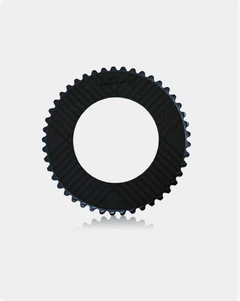
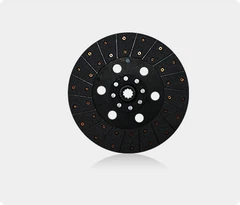
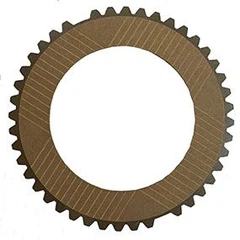
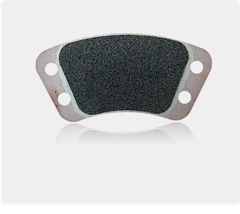
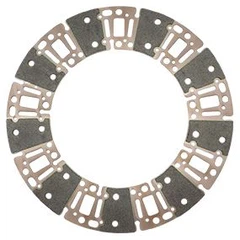
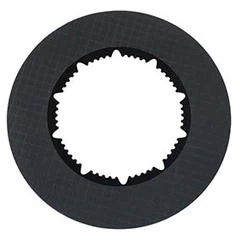
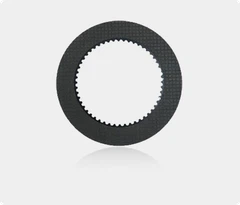
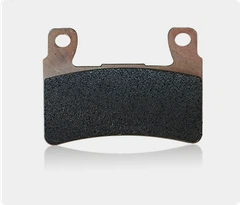
At our company, we offer a range of Long Lasting Friction Clutch Disc that are designed to meet the needs of different applications. Our Professional Clutch Disc Assy are made from high-quality materials and are carefully engineered to provide reliable performance and long service life. We also have High Performance Clutch Disc that are specifically designed for high-performance applications. These clutch discs can handle higher RPMs and more extreme conditions, making them ideal for racing cars and other high-performance vehicles.


If you're in the market for a long-lasting friction clutch disc, it's important to choose the right one for your application. Consider the RPM range of your vehicle or machinery, as well as the other factors we've discussed, such as the material, design, and application. And if you have any questions or need help choosing the right clutch disc, don't hesitate to contact us. We're here to help you find the best solution for your needs.
In conclusion, the maximum RPM a long-lasting friction clutch disc can handle depends on several factors. By understanding these factors and choosing the right clutch disc for your application, you can ensure that your clutch system performs well and lasts a long time. So, if you're looking for a reliable and high-performance clutch disc, check out our products. We're confident that you'll find the perfect one for your needs.
References:
- "Automotive Clutch Design and Performance" by David Crolla
- "Friction Materials for Clutches and Brakes" by John F. Kennedy


