



Hey there! As a supplier of high torque brake friction plates, I often get asked about the maximum torque capacity of these crucial components. So, I thought I'd dive into this topic and share some insights with you.
First off, let's understand what high torque brake friction plates are all about. These plates play a vital role in braking systems, especially in applications where high levels of torque need to be handled. Whether it's in heavy - duty machinery, high - performance vehicles, or industrial equipment, these friction plates are designed to provide reliable braking performance under extreme conditions.
The maximum torque capacity of high torque brake friction plates isn't a one - size - fits - all number. It depends on a whole bunch of factors. One of the key factors is the material used in the friction plates. Different materials have different friction coefficients, wear resistances, and heat dissipation capabilities, all of which directly impact the torque capacity.
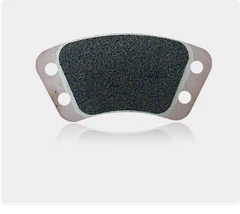
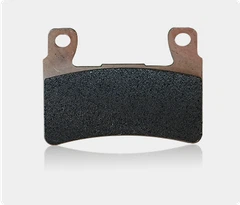
For example, some friction plates are made from semi - metallic materials. These materials offer a good balance between friction performance and heat resistance. They can handle a decent amount of torque and are often used in medium - to high - load applications. On the other hand, there are ceramic - based friction materials. These are known for their excellent heat dissipation properties and can withstand very high temperatures. As a result, they can handle higher torque levels compared to semi - metallic materials, making them suitable for heavy - duty and high - performance applications.
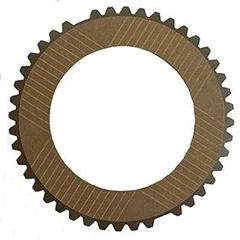
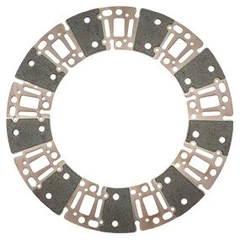
Another important factor is the design of the friction plates. The surface area of the friction material, the shape of the plate, and the number of contact points all affect how much torque the plate can handle. A larger surface area generally means more contact between the friction plate and the mating surface, which can increase the torque capacity. Also, a well - designed plate with optimized contact points can distribute the torque more evenly, reducing the risk of uneven wear and improving overall performance.
The operating conditions also play a huge role in determining the maximum torque capacity. If the brake system is operating in a high - temperature environment, the friction material may start to degrade more quickly, reducing its ability to handle torque. Similarly, if the system is subject to frequent and rapid braking, the friction plates may experience more wear and tear, which can also impact their torque - handling capabilities.
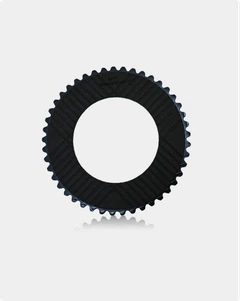
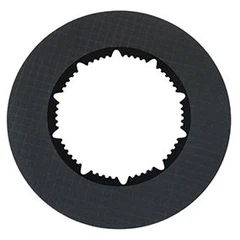
Now, let's talk about some of the products we offer. We have Corrosion Resistant Clutch Friction Plate Facing. These friction plates are not only designed to handle high torque but also offer excellent corrosion resistance. This makes them ideal for applications where the brake system may be exposed to harsh environmental conditions.
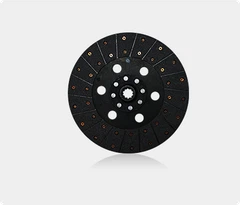
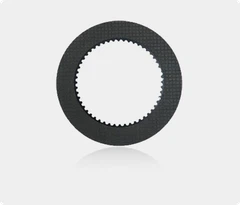
Our Wear Resistant Sintered Clutch Plate is another great option. The sintering process used in its manufacturing gives it exceptional wear resistance, allowing it to maintain its torque - handling capacity over a long period of time, even under heavy use.
If you're interested in the materials used in our clutch plates, you can check out Clutch Plate Material. This page provides detailed information about the different materials we use and how they contribute to the performance of our products.
So, how do we determine the maximum torque capacity of our high torque brake friction plates? We use a combination of theoretical calculations and real - world testing. Our engineers use advanced computer simulations to model the behavior of the friction plates under different conditions. These simulations take into account factors like material properties, plate design, and operating conditions to predict the maximum torque capacity.
But we don't just rely on simulations. We also conduct extensive testing in our state - of - the - art laboratory. We subject our friction plates to a variety of tests, including torque - loading tests, heat - resistance tests, and wear - testing. These tests allow us to verify the performance of our products and make any necessary adjustments to ensure that they meet or exceed the required specifications.
It's important to note that while we strive to provide friction plates with high torque capacity, it's also crucial for our customers to use these products correctly. Proper installation, maintenance, and operation of the brake system are essential for ensuring the long - term performance and safety of the friction plates.
If you're in the market for high torque brake friction plates, we'd love to hear from you. Whether you're a manufacturer looking for reliable components for your equipment or a maintenance professional in need of replacement parts, we have the products and expertise to meet your needs. Our team of experts can help you select the right friction plates based on your specific requirements and provide you with all the support you need throughout the purchasing process.
In conclusion, the maximum torque capacity of high torque brake friction plates is determined by a complex interplay of factors, including material, design, and operating conditions. At our company, we're committed to providing high - quality friction plates that offer excellent torque - handling capabilities and long - term reliability. So, if you're interested in learning more about our products or have any questions, don't hesitate to reach out. We're here to help you find the perfect solution for your braking needs.


References
- Engineering textbooks on friction materials and brake system design
- Industry research papers on high - torque braking applications
- In - house test reports and data from our product development process


