
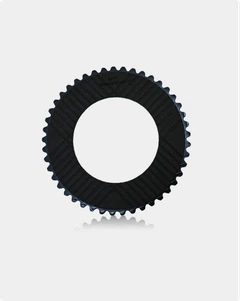
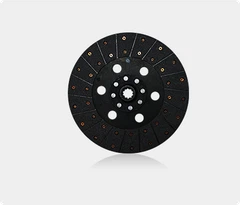
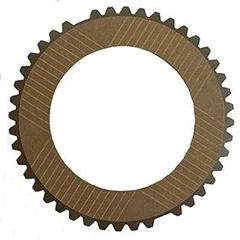
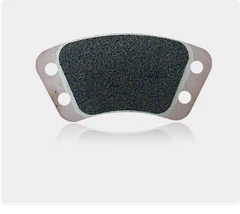
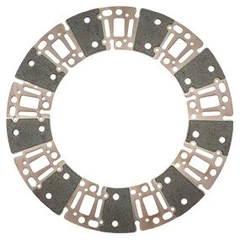
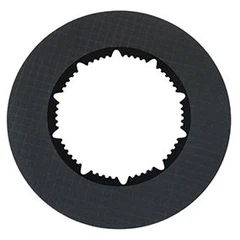
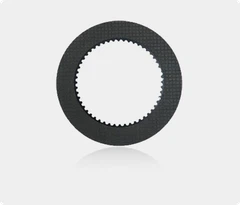
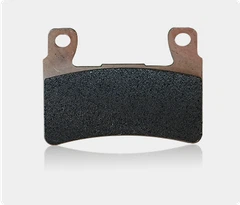



Hey there! As a supplier of Long Lasting Friction Clutch Discs, I often get asked about the static friction of these clutch discs. So, I thought I'd take a moment to break it down for you in a way that's easy to understand.
First off, let's talk about what static friction is. Static friction is the force that resists the start of motion between two surfaces that are in contact with each other. In the case of a clutch disc, it's the force that keeps the clutch disc from slipping when the clutch is engaged. When you press the clutch pedal, you're essentially disengaging the clutch, allowing the engine to spin freely without transferring power to the transmission. When you release the clutch pedal, the clutch engages, and the static friction between the clutch disc and the flywheel and pressure plate allows the engine's power to be transferred to the transmission.
Now, why is static friction so important for a long-lasting friction clutch disc? Well, a clutch disc with high static friction can transfer more power from the engine to the transmission without slipping. This means better performance, especially in high-stress situations like racing or heavy towing. But it's not just about performance. A clutch disc with good static friction also lasts longer because there's less wear and tear from slipping.
The static friction of a clutch disc depends on a few key factors. One of the most important is the material of the friction lining. Different materials have different coefficients of static friction. For example, some high-performance clutch discs use ceramic or carbon-based friction materials, which have a very high coefficient of static friction. These materials can handle a lot of power and are great for racing applications. On the other hand, organic friction materials are more common in everyday vehicles. They have a lower coefficient of static friction but are quieter and more comfortable to drive with.
Another factor that affects static friction is the surface finish of the clutch disc and the mating surfaces (the flywheel and pressure plate). A smooth surface finish can reduce friction, while a rough surface can increase it. However, it's a delicate balance. If the surface is too rough, it can cause excessive wear on the clutch disc and the mating surfaces.
The design of the clutch disc also plays a role. For example, some clutch discs have multiple friction surfaces or a special pattern on the friction lining to increase the contact area and improve static friction.
As a supplier of Long Lasting Friction Clutch Disc, we take all these factors into account when manufacturing our products. We use high-quality materials and advanced manufacturing techniques to ensure that our clutch discs have the right balance of static friction, durability, and performance.
If you're in the market for a clutch disc, you might also be interested in our Professional Clutch Disc Assy. This is a complete clutch assembly that includes the clutch disc, pressure plate, and release bearing. It's a convenient option that ensures everything is properly matched and ready to install.
And for those of you who need even more performance, we also offer High Performance Clutch Disc. These clutch discs are designed for high-power applications and can handle the extreme demands of racing and high-performance driving.
So, whether you're a car enthusiast looking to upgrade your clutch for better performance or a mechanic in need of reliable clutch discs for your customers, we've got you covered. Our long-lasting friction clutch discs are designed to provide excellent static friction, durability, and performance.
If you're interested in learning more about our products or have any questions about clutch disc static friction, feel free to reach out. We're always happy to help and can provide you with all the information you need to make an informed decision. Let's start a conversation about how our clutch discs can meet your needs and take your vehicle's performance to the next level.


References
- Automotive Clutch Design and Performance by D. Crolla
- Friction Materials and Their Applications by M. P. Gururaja


