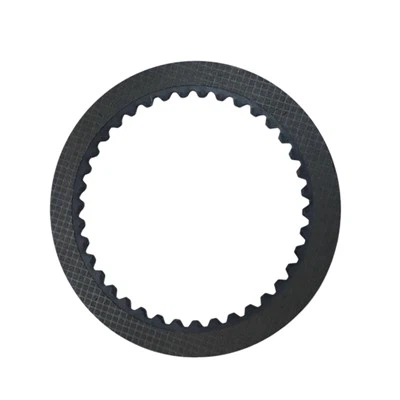
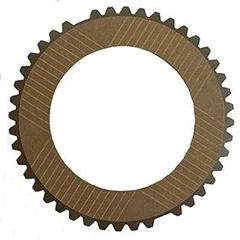
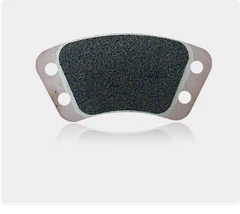
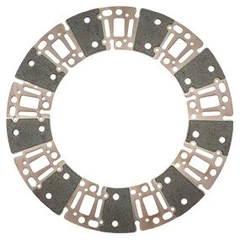
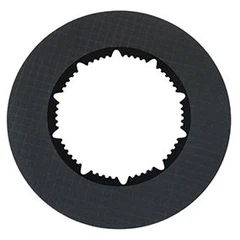
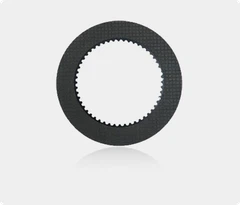
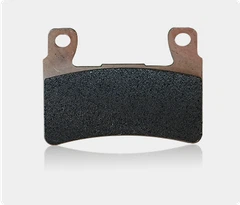


As the core component of the vehicle braking system, motorcycle brake pads directly affect riding safety. Whether it is daily commuting or long-distance travel, it is crucial to choose the right brake pads and maintain them correctly. This article will share the key points of the purchase, use and maintenance of motorcycle brake pads based on industry experience.
Selection of brake pad materials
Currently, the mainstream brake pad materials on the market include organic resin, semi-metal and ceramic. Organic resin brake pads have low noise and less dust, which are suitable for urban commuting; semi-metal brake pads have good heat dissipation performance and are suitable for high-performance motorcycles or frequent braking scenarios; ceramic brake pads have the characteristics of high temperature resistance and long life, but the price is relatively high. Users can choose the right material according to their riding habits and needs.
Adaptability of brake pads
Motorcycles of different brands and models have specific requirements for the size, thickness and installation method of brake pads. When purchasing, you need to refer to the original specifications or consult professionals to ensure that the brake pads are fully matched with the calipers and brake discs. Incorrect adaptation may lead to reduced braking effect or even safety hazards.
Wear and replacement of brake pads
The degree of wear of brake pads directly affects the braking performance. Generally speaking, when the thickness of the brake pad is less than 3 mm, it is necessary to consider replacing it. In addition, if there is abnormal braking noise, weakened braking force, or longer brake pedal travel during riding, the brake pad status should also be checked in time. Regularly checking the wear of the brake pad is an important part of ensuring riding safety.
Maintenance suggestions for brake pads
Although brake pads are consumable parts, correct usage habits can extend their life. Avoid overheating caused by long-term continuous braking, especially on long downhill sections, the engine auxiliary brake should be used reasonably. At the same time, keep the brake system clean and avoid oil or foreign matter from entering between the brake pad and the brake disc to avoid affecting the braking effect.
Summary
The purchase and use of motorcycle brake pads require comprehensive consideration of materials, adaptability and maintenance. Whether you are a novice or an experienced rider, you should pay attention to the performance of the brake pads, check them regularly and replace them in time to ensure that every ride is safe and worry-free. Mastering these experiences can not only improve the riding experience, but also escort safety.