


In the high - octane world of clutch racing, the choice between manual and automatic clutches is not just a matter of preference but a strategic decision that can significantly influence a racer's performance. As a clutch racing supplier, I have witnessed firsthand the distinct characteristics and implications of each type of clutch system. This blog will delve into the differences between manual and automatic clutch racing, exploring their technical aspects, performance implications, and considerations for racers.
Technical Differences
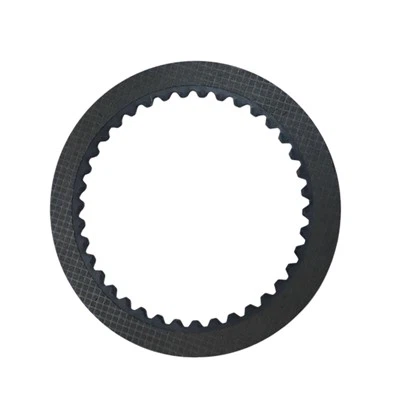
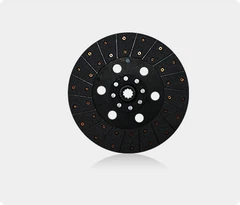
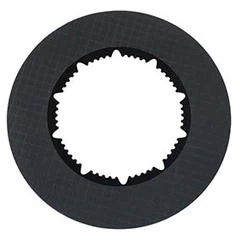
Manual clutches are the traditional choice in racing, offering a direct and hands - on driving experience. At the heart of a manual clutch system is the clutch pedal, which the driver uses to engage and disengage the clutch. When the pedal is depressed, the clutch disc separates from the flywheel, interrupting the power transmission from the engine to the transmission. This allows the driver to shift gears manually. The clutch disc, often made of high - friction materials, is a crucial component. For instance, our High Performance Racing Clutch Friction Disc is engineered to provide exceptional grip and durability under extreme racing conditions.
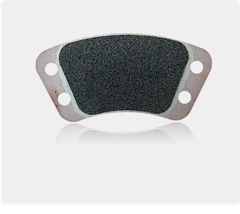
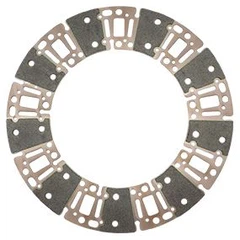
On the other hand, automatic clutches eliminate the need for a clutch pedal. These systems rely on a complex combination of sensors, actuators, and control units to manage the engagement and disengagement of the clutch. The control unit monitors various parameters such as engine speed, vehicle speed, and throttle position to determine the optimal moment to shift gears. In an automatic clutch, the clutch operation is automated, allowing for seamless gear changes without the driver having to manually operate a pedal. Our Advanced Racing Clutch Plate with 4 Pads is designed to work efficiently within an automatic clutch racing system, providing smooth and reliable performance.
Performance Implications
In terms of performance, manual clutches offer a high degree of driver control. Racers can precisely time their gear shifts, allowing for more aggressive driving styles. For example, a skilled driver can perform a technique called "heel - and - toe downshifting," where they blip the throttle while downshifting to match the engine speed to the lower gear. This technique helps to maintain stability and control during cornering, reducing the risk of wheel lock - up. Manual clutches also allow drivers to adapt to different track conditions and racing strategies on the fly. If a sudden change in the race situation requires a quick shift, an experienced driver can respond immediately.
Automatic clutches, however, offer the advantage of speed and consistency. Since the gear - shifting process is automated, the system can execute shifts much faster than a human driver. In a racing scenario where every millisecond counts, this can result in a significant performance gain. Additionally, automatic clutches are less prone to human error. A tired or inexperienced driver may make mistakes when shifting gears with a manual clutch, such as missing a shift or causing a jerk during the gear - change process. Automatic clutches eliminate these risks, ensuring smooth and consistent performance throughout the race.
Driving Experience
The driving experience is another area where manual and automatic clutch racing differ significantly. Manual clutch racing is often seen as a more immersive and engaging experience. The physical connection between the driver and the vehicle, as they operate the clutch pedal and shift gears, gives a sense of being in complete control. It requires a high level of skill and coordination, and mastering the art of manual clutch racing can be a rewarding challenge. Many racing enthusiasts prefer manual clutches for the sheer thrill and satisfaction of being able to manipulate the vehicle's power train directly.
Automatic clutch racing, on the other hand, offers a more relaxed driving experience. The driver can focus more on steering and braking, as the clutch and gear - shifting functions are taken care of by the system. This can be beneficial in long - distance races or when the race conditions are particularly demanding, as it reduces driver fatigue. However, some purists argue that the automated nature of an automatic clutch detracts from the authentic racing experience.
Maintenance and Durability
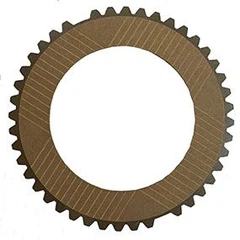
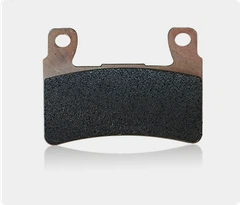
Maintenance requirements also vary between manual and automatic clutches. Manual clutches are generally simpler in design, which can make them easier and cheaper to maintain. The clutch disc, pressure plate, and release bearing are the main components that may need replacement over time. With proper driving techniques, a well - maintained manual clutch can last a long time. Our Performance Bronze Clutch Facing Kit is a high - quality replacement option for manual clutch systems, providing enhanced durability and performance.
Automatic clutches, on the other hand, are more complex and require specialized knowledge and tools for maintenance. The electronic control units, sensors, and actuators in an automatic clutch system need to be regularly inspected and calibrated to ensure proper operation. In addition, the fluid in an automatic clutch system may need to be changed more frequently compared to a manual clutch. However, the durability of an automatic clutch can be high if it is well - maintained, as the automated system can reduce wear and tear caused by human error.
Considerations for Racers
When choosing between manual and automatic clutch racing, racers need to consider several factors. First, their skill level is a crucial factor. Novice racers may find it easier to start with an automatic clutch, as it allows them to focus on other aspects of driving. As they gain more experience and confidence, they may choose to switch to a manual clutch to further develop their skills.
The type of racing also plays a significant role. In short - track racing, where quick acceleration and precise gear changes are essential, an automatic clutch may offer a competitive edge. In endurance racing, where driver fatigue can be a factor, the reduced workload of an automatic clutch can be beneficial. However, in events that require a high level of driver control and finesse, such as hill climbs or autocross, a manual clutch may be the preferred choice.
Cost is another consideration. Manual clutch systems are generally more affordable to purchase and maintain. Automatic clutch systems, with their advanced technology and complex components, can be more expensive. Racers need to weigh the cost against the potential performance benefits when making their decision.
Conclusion
In conclusion, the differences between manual and automatic clutch racing are significant, encompassing technical aspects, performance implications, driving experience, maintenance, and cost. As a clutch racing supplier, we understand the unique needs of racers and offer a wide range of high - quality clutch components for both manual and automatic systems. Whether you are a professional racer looking for a competitive edge or an enthusiast seeking an unforgettable driving experience, we have the products to meet your requirements.
If you are interested in learning more about our clutch racing products or have any questions regarding the choice between manual and automatic clutches, please don't hesitate to contact us. We are here to help you make an informed decision and ensure that you have the best possible racing experience.