
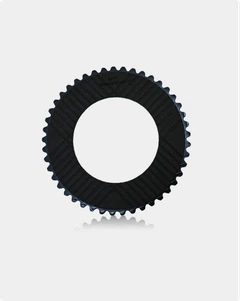
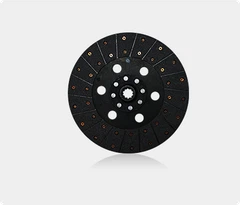
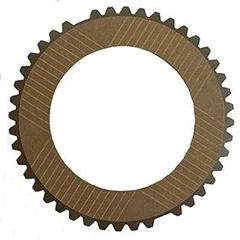
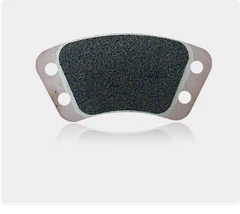
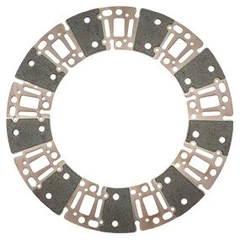
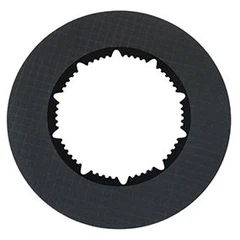
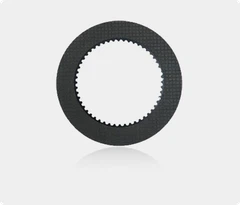
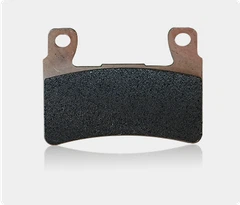



In the realm of industrial machinery and automotive applications, high torque brake friction plates play a pivotal role. As a leading supplier of High Torque Brake Friction Plate, I am often asked whether our products are compliant with industry standards. This blog post aims to delve into this question, exploring the significance of industry standards, how our high torque brake friction plates meet these standards, and the benefits of using compliant products.
The Importance of Industry Standards
Industry standards serve as a benchmark for quality, safety, and performance. They are developed by industry experts, regulatory bodies, and professional organizations to ensure that products meet a certain level of excellence. In the context of high torque brake friction plates, these standards cover a wide range of aspects, including material composition, friction coefficient, wear resistance, heat dissipation, and dimensional accuracy.
Compliance with industry standards is not just a matter of meeting legal requirements; it is also crucial for maintaining the reputation of manufacturers and ensuring the safety and reliability of the end products. When a high torque brake friction plate meets industry standards, it provides several benefits:
- Safety: Standards are designed to ensure that the friction plates can effectively stop or slow down the machinery or vehicle under various operating conditions. This helps prevent accidents and protects the lives of operators and passengers.
- Performance: Compliant friction plates offer consistent and reliable performance, ensuring smooth operation and efficient power transmission. This can improve the overall productivity and efficiency of the equipment.
- Compatibility: Industry standards often specify the dimensions and interfaces of the friction plates, ensuring compatibility with different types of brakes and clutches. This makes it easier for manufacturers to integrate the friction plates into their products.
- Quality Assurance: Compliance with standards is a sign of a manufacturer's commitment to quality. It indicates that the company has implemented proper quality control measures throughout the production process, from raw material selection to final inspection.
How Our High Torque Brake Friction Plates Meet Industry Standards
At our company, we take pride in our commitment to quality and compliance. We understand the importance of meeting industry standards and have implemented a rigorous quality management system to ensure that our high torque brake friction plates meet or exceed these standards. Here are some of the ways we achieve compliance:
- Material Selection: We carefully select the raw materials for our friction plates, ensuring that they meet the specific requirements of the industry standards. Our materials are sourced from reputable suppliers and undergo strict quality control checks before being used in production.
- Advanced Manufacturing Processes: We use state-of-the-art manufacturing processes to produce our friction plates, ensuring consistent quality and performance. Our production facilities are equipped with the latest machinery and technology, allowing us to achieve high precision and accuracy in the manufacturing process.
- Testing and Certification: We conduct extensive testing on our friction plates to ensure that they meet the industry standards. Our testing procedures include friction coefficient testing, wear resistance testing, heat dissipation testing, and dimensional inspection. We also obtain third-party certifications to validate the compliance of our products.
- Continuous Improvement: We are constantly striving to improve our products and processes to meet the evolving needs of the industry. We invest in research and development to develop new materials and manufacturing techniques that can enhance the performance and compliance of our high torque brake friction plates.
Key Industry Standards for High Torque Brake Friction Plates
There are several industry standards that govern the design, manufacture, and performance of high torque brake friction plates. Some of the most important standards include:
- SAE Standards: The Society of Automotive Engineers (SAE) has developed a series of standards for automotive and industrial friction materials. These standards cover topics such as friction coefficient, wear resistance, heat fade, and recovery.
- ISO Standards: The International Organization for Standardization (ISO) has also developed standards for friction materials. ISO standards are widely recognized and used around the world, ensuring the compatibility and interchangeability of friction plates.
- JASO Standards: The Japanese Automotive Standards Organization (JASO) has established standards for automotive friction materials in Japan. These standards are similar to the SAE and ISO standards but may have some specific requirements for the Japanese market.
Our high torque brake friction plates are designed to meet or exceed these industry standards, ensuring that they are suitable for a wide range of applications. Whether you are looking for friction plates for automotive, industrial, or marine applications, our products can provide the performance and reliability you need.
Benefits of Using Compliant High Torque Brake Friction Plates
Using compliant high torque brake friction plates offers several benefits for manufacturers and end-users. Here are some of the key advantages:
- Reduced Downtime: Compliant friction plates are more reliable and less likely to fail, reducing the need for frequent maintenance and replacement. This can help minimize downtime and improve the productivity of the equipment.
- Lower Costs: While compliant friction plates may have a slightly higher initial cost, they offer better performance and longer service life, resulting in lower overall costs in the long run. Additionally, using compliant products can help avoid costly recalls and liability issues.
- Enhanced Reputation: By using compliant high torque brake friction plates, manufacturers can enhance their reputation for quality and reliability. This can help attract more customers and increase market share.
- Compliance with Regulations: In some industries, such as automotive and aerospace, compliance with industry standards is a legal requirement. Using compliant friction plates ensures that manufacturers meet these regulations and avoid potential legal issues.
Conclusion
In conclusion, high torque brake friction plates that are compliant with industry standards offer numerous benefits in terms of safety, performance, compatibility, and quality. As a supplier of High Torque Brake Friction Plate, we are committed to providing our customers with products that meet or exceed these standards. Our friction plates are carefully designed and manufactured using the latest technology and materials, ensuring consistent and reliable performance in a wide range of applications.
If you are in the market for high torque brake friction plates, we encourage you to contact us to discuss your specific requirements. Our team of experts will be happy to provide you with more information about our products and how they can meet your needs. We also offer Cost Effective Copper Friction Plate and Cost Effective Friction Plate Material options to help you save on costs without compromising on quality. Let's work together to find the best solution for your application.


References
- Society of Automotive Engineers (SAE). (Year). SAE standards for automotive and industrial friction materials.
- International Organization for Standardization (ISO). (Year). ISO standards for friction materials.
- Japanese Automotive Standards Organization (JASO). (Year). JASO standards for automotive friction materials.


