
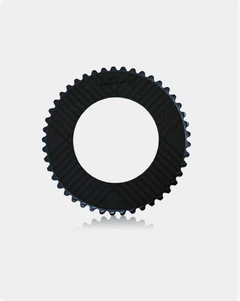
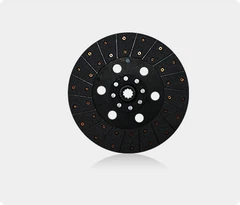
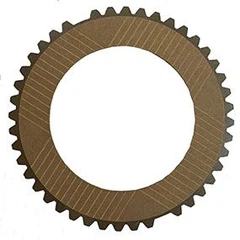
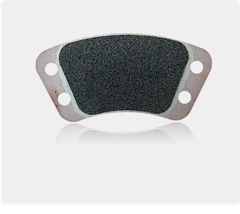



In the realm of automotive and military equipment, brake pads are a critical component that ensures safety and performance. As a supplier of military brake pads, I often encounter the question: Are military brake pads more durable than civilian ones? This blog post aims to delve into this topic, exploring the design, materials, and usage scenarios of both military and civilian brake pads to provide a comprehensive answer.
Design and Engineering
Military vehicles operate in some of the most extreme conditions imaginable. From deserts with scorching temperatures to muddy terrains and icy landscapes, these vehicles need to perform reliably under all circumstances. As a result, military brake pads are designed with a focus on durability and performance in harsh environments.
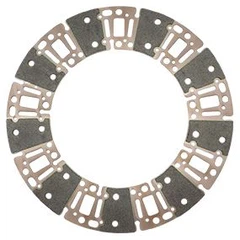
The design of military brake pads takes into account the high - stress situations that military vehicles face. For example, military tanks often need to stop quickly while carrying heavy loads and traveling at high speeds. This requires brake pads that can withstand high levels of friction and heat without losing their effectiveness. Military brake pads are engineered to have a larger surface area in contact with the brake discs, which helps to distribute the braking force more evenly and reduce wear.

On the other hand, civilian brake pads are designed primarily for everyday driving on paved roads. The driving conditions for civilian vehicles are generally more predictable, with less extreme temperature variations and lower stress levels. Civilian brake pads are optimized for comfort, low noise, and cost - effectiveness. They are designed to provide smooth braking performance during normal driving, such as city commuting and highway cruising.
Materials Used
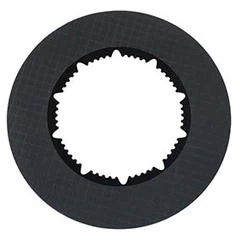
The materials used in brake pads play a crucial role in determining their durability. Military brake pads typically use high - quality, heat - resistant materials that can withstand the intense friction generated during braking. For instance, some military brake pads are made from ceramic composites or semi - metallic materials.
Ceramic composites offer excellent heat dissipation properties, which helps to prevent the brake pads from overheating and losing their braking power. They are also resistant to wear and corrosion, making them ideal for long - term use in harsh environments. Semi - metallic materials, on the other hand, contain a mixture of metal fibers and other friction materials. These materials provide high friction coefficients, which means they can generate strong braking forces even under heavy loads.
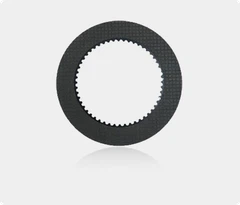
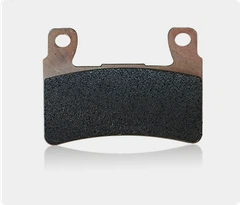
Civilian brake pads, in contrast, often use organic materials or low - cost semi - metallic compounds. Organic brake pads are made from materials such as rubber, glass, and resin. They are known for their quiet operation and smooth braking performance, but they may not be as durable as military brake pads. Low - cost semi - metallic compounds are also commonly used in civilian brake pads, but they may not have the same level of heat resistance and durability as the materials used in military applications.
Usage Scenarios
The usage scenarios of military and civilian vehicles are vastly different, which also affects the durability of their brake pads. Military vehicles are often used in combat situations, where they may need to make sudden stops, accelerate quickly, and maneuver through difficult terrains. These actions put a significant amount of stress on the brake pads, causing them to wear out faster.
However, military vehicles are also maintained and serviced regularly to ensure their optimal performance. Military maintenance crews are trained to inspect and replace brake pads at the appropriate intervals, which helps to extend their lifespan. Additionally, military vehicles are often equipped with advanced braking systems that can monitor the condition of the brake pads and alert the operators when maintenance is required.
Civilian vehicles, on the other hand, are used for daily transportation. The braking demands on civilian vehicles are generally lower, as they do not need to perform extreme maneuvers on a regular basis. However, civilian vehicle owners may not always follow the recommended maintenance schedules, which can lead to premature wear of the brake pads.
Case Studies and Evidence
To further illustrate the difference in durability between military and civilian brake pads, let's look at some case studies. In a military training exercise, a fleet of military trucks was used to transport heavy equipment over a long distance. The trucks were driven on rough terrains and had to make frequent stops. After the exercise, the brake pads on these trucks showed only minimal wear, thanks to their high - quality design and materials.
In contrast, a group of civilian cars that were used for daily commuting in a city experienced significant brake pad wear after a few months of use. The stop - and - go traffic in the city put a lot of stress on the brake pads, and the lower - quality materials used in the civilian brake pads contributed to their faster wear.
Conclusion
Based on the above analysis, it is clear that military brake pads are generally more durable than civilian ones. Their design, materials, and the maintenance practices associated with military vehicles all contribute to their superior durability. However, it's important to note that the durability of brake pads also depends on how they are used and maintained.
If you are in the market for high - quality, durable brake pads, especially for military applications, Military Tanks Friction Brake Pads are an excellent choice. As a supplier of military brake pads, we are committed to providing products that meet the highest standards of quality and performance. If you are interested in purchasing our military brake pads or have any questions about our products, please feel free to contact us for a detailed discussion and procurement negotiation.
References
- Automotive Brake Systems: Principles and Diagnosis by William C. Halderman
- Military Vehicle Technology Handbook edited by George E. Totten


