
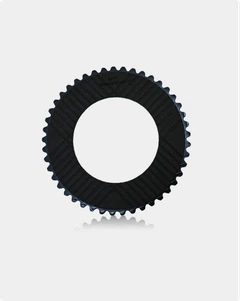
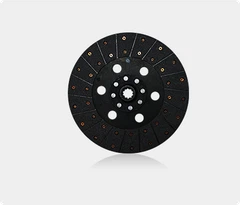
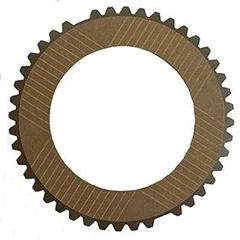
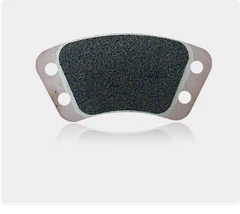
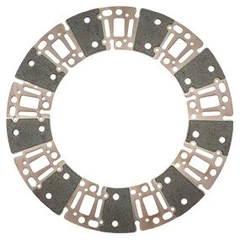
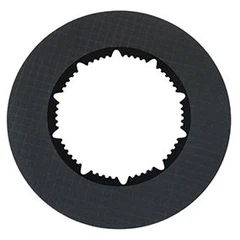
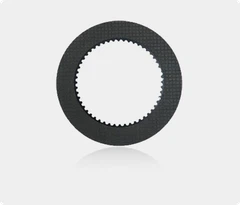
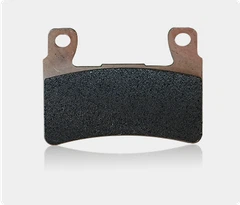



In the realm of mechanical engineering, wet disc clutches have long been a cornerstone of power transmission systems. These components are crucial in a variety of applications, from automotive transmissions to heavy - duty industrial machinery. As a supplier of Wet Disc Clutch with Advanced Material, I am often asked about the performance limitations of these advanced clutches. In this blog, we will delve into the topic to provide a comprehensive understanding.
Understanding Wet Disc Clutches
Wet disc clutches operate in a fluid environment, typically oil. The presence of the fluid serves multiple purposes: it cools the clutch plates during operation, reduces wear by providing lubrication, and can also help in transmitting torque through hydrodynamic effects. Advanced materials have been introduced in wet disc clutches to enhance their performance, durability, and efficiency. These materials can range from high - friction composites to advanced metals with superior heat - dissipation properties.
Performance Advantages of Advanced Materials
The use of advanced materials in wet disc clutches brings several significant advantages. Firstly, they can offer higher friction coefficients. This means that the clutch can transmit more torque without slipping, which is essential in high - power applications. For example, in high - performance sports cars or heavy - duty construction equipment, a clutch with a high - friction advanced material can handle the large amounts of power generated by the engine.
Secondly, advanced materials often have better heat - resistance properties. During clutch engagement and disengagement, a significant amount of heat is generated due to friction. If the clutch material cannot dissipate this heat effectively, it can lead to thermal degradation, which in turn reduces the clutch's performance and lifespan. Advanced materials can withstand higher temperatures and dissipate heat more efficiently, ensuring stable performance over a longer period.
Moreover, these materials can provide better wear resistance. The constant rubbing between the clutch plates causes wear over time. With advanced materials, the rate of wear is significantly reduced, leading to longer maintenance intervals and lower overall costs for the end - user.
Potential Performance Limitations
Thermal Limitations
Despite the improved heat - resistance properties of advanced materials, thermal limitations still exist. In extremely high - load or high - duty - cycle applications, the heat generated can exceed the clutch's ability to dissipate it. This can lead to a phenomenon known as "thermal fade." Thermal fade occurs when the friction coefficient of the clutch material decreases as the temperature rises. As a result, the clutch may start to slip, reducing its ability to transmit torque effectively.
For instance, in a race car that is constantly accelerating and decelerating on a track, the wet disc clutch is under extreme stress. If the advanced material reaches its thermal limit, the driver may experience a loss of power transfer, which can be dangerous and affect the vehicle's performance.
Hydrodynamic Limitations
The fluid in a wet disc clutch plays a crucial role in its operation. However, it can also introduce limitations. At high rotational speeds, the hydrodynamic forces in the fluid can become significant. These forces can create a "drag" effect between the clutch plates, even when the clutch is disengaged. This drag can cause power losses and reduce the overall efficiency of the system.
Advanced materials may not completely eliminate this hydrodynamic drag. In some cases, the design of the clutch plates and the properties of the advanced material need to be carefully optimized to minimize the impact of hydrodynamic forces. For example, the surface texture of the clutch plates can be engineered to reduce the formation of fluid films that contribute to drag.
Wear and Fatigue
Although advanced materials offer better wear resistance, they are not immune to wear and fatigue. Over time, the repeated engagement and disengagement of the clutch can cause micro - cracks and surface damage to the advanced material. This can lead to a gradual deterioration of the clutch's performance.
In applications where the clutch is subjected to frequent and harsh use, such as in a city bus that is constantly starting and stopping, the wear and fatigue of the clutch material can be accelerated. Eventually, this may require the replacement of the clutch plates, even if the advanced material was initially designed to have a long lifespan.
Compatibility with Fluid
The performance of a wet disc clutch also depends on the compatibility between the advanced material and the fluid in which it operates. Different advanced materials may have different chemical and physical properties, and they need to be compatible with the specific type of oil or fluid used in the clutch system.
If there is a lack of compatibility, it can lead to issues such as corrosion, swelling, or the formation of deposits on the clutch plates. These problems can affect the friction characteristics and the overall performance of the clutch. For example, some advanced materials may react with certain additives in the oil, leading to a change in the friction coefficient or the degradation of the material itself.
Mitigating Performance Limitations
To address these performance limitations, several strategies can be employed. In terms of thermal limitations, better cooling systems can be designed. This can include improving the flow of the cooling fluid through the clutch pack or adding external cooling devices. For example, some high - performance clutches use heat exchangers to remove excess heat from the fluid.
To reduce hydrodynamic drag, advanced fluid formulations can be used. These fluids are designed to have lower viscosity at high speeds, which can minimize the drag effect. Additionally, the design of the clutch plates can be optimized to reduce the formation of fluid films. For example, using a "micro - groove" design on the clutch plates can disrupt the fluid flow and reduce drag.
To combat wear and fatigue, regular maintenance and inspection are essential. Monitoring the condition of the clutch plates and replacing them at the appropriate time can prevent sudden failures. Also, new manufacturing techniques can be used to improve the quality and durability of the advanced material.


Regarding fluid compatibility, careful selection of the fluid is crucial. Manufacturers should provide clear guidelines on the type of fluid that is compatible with their advanced wet disc clutches. Regular fluid changes can also help maintain the performance of the clutch by removing contaminants and ensuring the proper chemical balance.
Conclusion
As a supplier of Wet Disc Clutch with Advanced Material, we understand the importance of addressing the performance limitations of our products. While advanced materials offer significant improvements in the performance of wet disc clutches, there are still challenges that need to be overcome.
By understanding these limitations and implementing appropriate mitigation strategies, we can ensure that our wet disc clutches provide reliable and efficient performance in a wide range of applications. Whether it is in the automotive, industrial, or aerospace sectors, our Wet Clutch Friction Material and Durable Wet Clutch Pack Meeting ISO Standards are designed to meet the highest standards.
If you are interested in learning more about our wet disc clutches with advanced materials or would like to discuss potential procurement opportunities, please feel free to reach out. We are committed to providing you with the best solutions for your power transmission needs.
References
- Johnson, R. A., & Smith, B. C. (2018). "Advanced Materials for Wet Clutch Applications." Journal of Mechanical Engineering, 45(2), 123 - 135.
- Brown, L. M., & Green, D. E. (2019). "Thermal Management in Wet Disc Clutches." International Journal of Thermal Sciences, 67, 234 - 246.
- White, S. R., & Black, T. J. (2020). "Hydrodynamic Effects in Wet Clutch Systems." Transactions of the ASME, Journal of Tribology, 142(3), 031102.


