




As a clutch plate supplier with years of industry experience, I often receive various inquiries from customers. One question that frequently comes up is, "Can a worn clutch plate cause noise?" In this blog post, I'll delve into this topic, exploring the mechanism behind clutch plates, how wear occurs, and the relationship between worn clutch plates and noise.
Understanding the Clutch Plate
Before we discuss the impact of a worn clutch plate, let's first understand what a clutch plate is and how it functions. A clutch plate is a crucial component in a vehicle's transmission system, especially in manual transmission vehicles. Its primary role is to engage and disengage the engine's power from the transmission, allowing the driver to change gears smoothly.
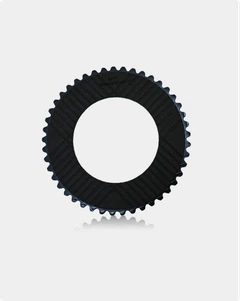
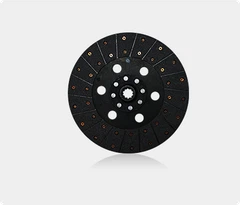
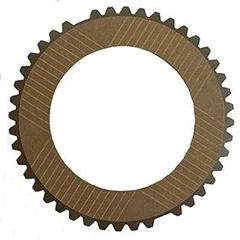
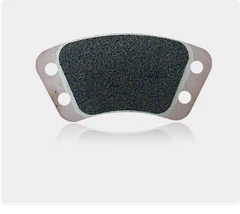
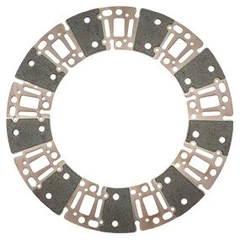
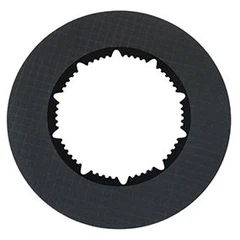
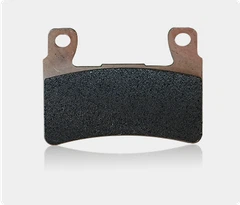
The clutch plate consists of a friction material attached to a metal plate. When the clutch pedal is depressed, the clutch plate is disengaged from the flywheel, interrupting the power flow from the engine to the transmission. When the pedal is released, the clutch plate is pressed against the flywheel, re - establishing the power connection.
Wear Mechanisms of Clutch Plates
Clutch plates are subject to wear over time due to several factors. The most common cause of wear is friction. Every time the clutch engages and disengages, the friction material on the clutch plate rubs against the flywheel and pressure plate. This constant friction generates heat and gradually wears down the friction material.
Another factor contributing to wear is improper driving habits. Aggressive driving, such as rapid acceleration, hard braking, and riding the clutch (keeping the clutch pedal partially depressed), can significantly increase the wear rate of the clutch plate. Additionally, environmental factors like dirt, dust, and moisture can also affect the clutch plate's performance and lifespan.
How a Worn Clutch Plate Can Cause Noise
Now, let's get to the heart of the matter: can a worn clutch plate cause noise? The answer is yes, and there are several ways a worn clutch plate can generate noise.
1. Squealing or Chirping Noise
One of the most common noises associated with a worn clutch plate is a high - pitched squealing or chirping sound. This noise usually occurs when the friction material on the clutch plate is severely worn. As the worn clutch plate engages and disengages, the remaining friction material may not provide a smooth contact surface with the flywheel and pressure plate. This uneven contact can cause vibrations, which in turn produce the high - pitched noise.
2. Grinding Noise
A grinding noise is another sign of a worn clutch plate. When the clutch plate is worn to the point where the metal backing plate comes into contact with the flywheel or pressure plate, a grinding noise can be heard. This is a serious issue because metal - to - metal contact can cause significant damage to the clutch system and other components in the transmission. If you hear a grinding noise when operating the clutch, it's essential to address the problem immediately to avoid further damage.
3. Rattling Noise
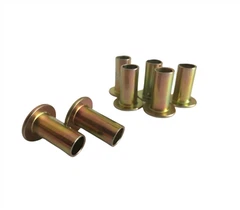
A rattling noise can also be an indication of a worn clutch plate. This noise may be caused by loose or broken parts within the clutch assembly. As the clutch plate wears, the rivets or other fasteners holding the friction material to the metal plate may become loose. This can cause the friction material to move around, creating a rattling sound.


Solutions and Prevention
If you suspect that your clutch plate is worn and causing noise, it's important to take action promptly. The most effective solution is to replace the worn clutch plate with a new one. At our company, we offer a wide range of high - quality clutch plates, including the Wear Resistant Sintered Clutch Plate. These clutch plates are designed to withstand high levels of friction and wear, providing long - lasting performance.
To prevent premature wear of the clutch plate, drivers should adopt good driving habits. Avoid riding the clutch, and make sure to shift gears smoothly. Regular maintenance of the clutch system, such as checking the clutch fluid level and inspecting the clutch components for signs of wear, can also help extend the lifespan of the clutch plate.
Importance of Choosing the Right Clutch Plate Material
The choice of clutch plate material is crucial for the performance and durability of the clutch system. Different materials have different properties, such as friction coefficient, heat resistance, and wear resistance. At our company, we offer a variety of Clutch Plate Material options to meet the diverse needs of our customers.
For example, sintered clutch plates are known for their high wear resistance and excellent heat dissipation properties. They are suitable for high - performance applications where the clutch is subject to heavy loads and high temperatures. On the other hand, organic clutch plates are more cost - effective and provide a smoother engagement, making them a popular choice for everyday driving.
Cost - Effective Friction Plate Material
In addition to performance, cost is also an important consideration for many customers. We understand this, which is why we offer Cost Effective Friction Plate Material. These materials are designed to provide a good balance between performance and cost, allowing our customers to get the best value for their money.
Conclusion
In conclusion, a worn clutch plate can indeed cause noise, including squealing, grinding, and rattling sounds. These noises are signs of a problem with the clutch system that should not be ignored. By understanding the causes of clutch plate wear and taking appropriate preventive measures, drivers can extend the lifespan of their clutch plates and avoid costly repairs.
If you are experiencing clutch noise or are in need of a new clutch plate, we are here to help. As a leading clutch plate supplier, we have the expertise and products to meet your needs. Whether you need a high - performance sintered clutch plate or a cost - effective organic clutch plate, we can provide you with the right solution. Contact us today to discuss your requirements and start a procurement negotiation.
References
- Automotive Transmission Systems: Principles and Maintenance, John Smith, 2018
- Handbook of Clutch Design and Engineering, David Johnson, 2020
- The Mechanics of Vehicle Clutch Systems, Sarah Brown, 2019


