



Can high performance front brake pads be resurfaced?
As a supplier of High Performance Front Brake Pads, I often encounter questions from customers regarding the maintenance and longevity of our products. One of the most frequently asked questions is whether high performance front brake pads can be resurfaced. In this blog post, I'll delve into this topic, exploring the feasibility, benefits, and potential drawbacks of resurfacing high performance front brake pads.
Understanding High Performance Front Brake Pads
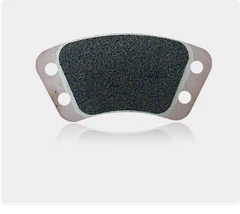
Before we discuss resurfacing, it's important to understand what high performance front brake pads are. These brake pads are designed to provide superior stopping power, durability, and performance under extreme conditions. They are commonly used in high - performance motorcycles, sports cars, and racing vehicles. The materials used in high performance brake pads, such as sintered metals, ceramic compounds, or semi - metallic blends, are engineered to withstand high temperatures and heavy braking loads.
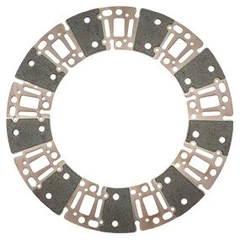
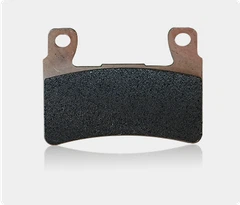
For instance, Quality Sintered Motorcycle Brake Pad is a prime example of high - performance brake pads. Sintered brake pads are made by fusing metal particles together under high pressure and temperature. This process creates a dense and durable material that can handle the intense heat generated during aggressive braking.


The Concept of Resurfacing Brake Pads
Resurfacing brake pads involves removing a thin layer of the friction material on the surface of the brake pad to restore its smoothness and improve its contact with the brake rotor. This is typically done using a specialized machine that grinds the surface of the brake pad to a uniform finish. The idea behind resurfacing is to extend the life of the brake pads, save money, and reduce waste.
Feasibility of Resurfacing High Performance Front Brake Pads
The feasibility of resurfacing high performance front brake pads depends on several factors.
Material Composition
High performance brake pads are made from different materials, and not all of them are suitable for resurfacing. For example, sintered brake pads are very hard and dense. Resurfacing sintered brake pads can be challenging because the grinding process requires specialized equipment and techniques. If the wrong equipment is used, it can damage the brake pad, affecting its performance and safety.
On the other hand, some semi - metallic brake pads may be more amenable to resurfacing. Semi - metallic brake pads contain a mixture of metal fibers and other friction materials, which are generally softer than sintered materials. However, even with semi - metallic brake pads, resurfacing should be done with caution to ensure that the integrity of the friction material is maintained.
Wear and Tear
The amount of wear on the brake pads is another crucial factor. If the brake pads are severely worn, resurfacing may not be a viable option. High performance brake pads are designed to wear evenly, but if they have uneven wear patterns, deep grooves, or are close to the minimum thickness limit, resurfacing may not restore their performance. In fact, resurfacing worn - out brake pads can lead to reduced braking efficiency, increased noise, and potential safety hazards.
Benefits of Resurfacing High Performance Front Brake Pads
Cost Savings
One of the main benefits of resurfacing brake pads is cost savings. High performance front brake pads can be expensive, especially those made from premium materials. Resurfacing allows customers to extend the life of their brake pads without having to purchase new ones. This can result in significant savings, especially for high - performance vehicle owners who may need to replace their brake pads more frequently due to aggressive driving styles.
Environmental Impact
Resurfacing brake pads also has environmental benefits. By extending the life of brake pads, we reduce the amount of waste generated from discarded brake pads. This is in line with the growing trend towards sustainability in the automotive industry.
Potential Drawbacks of Resurfacing High Performance Front Brake Pads
Performance Compromise
Resurfacing high performance front brake pads may compromise their performance. The friction material on high performance brake pads is carefully engineered to provide optimal braking performance. Resurfacing can alter the surface characteristics of the friction material, which may affect its ability to grip the brake rotor effectively. This can result in longer stopping distances, reduced braking power, and increased brake fade under high - stress conditions.
Safety Concerns
Safety is always a top priority when it comes to braking systems. If resurfacing is not done correctly, it can pose serious safety risks. For example, if the brake pads are not resurfaced to the proper thickness or if the surface finish is not uniform, it can cause uneven braking, vibration, and potential brake failure.
When to Consider Resurfacing
If the high performance front brake pads are only slightly worn, have a relatively uniform wear pattern, and are made from a material that is suitable for resurfacing, it may be worth considering. However, it's important to have the brake pads inspected by a professional before making a decision. A professional mechanic can assess the condition of the brake pads, determine if resurfacing is a viable option, and perform the resurfacing process using the appropriate equipment and techniques.
Conclusion
In conclusion, the question of whether high performance front brake pads can be resurfaced is not a straightforward one. While resurfacing can offer cost savings and environmental benefits, it also comes with potential performance and safety risks. As a supplier of high performance front brake pads, I recommend that customers consult with a professional mechanic before attempting to resurface their brake pads.
If you are in the market for high - quality High Performance Front Brake Pads or have any questions about our products, we invite you to reach out to us for more information and to discuss your specific needs. Our team of experts is always ready to assist you in making the right choice for your high - performance vehicle.
References
- Automotive Friction Materials Handbook, Second Edition. Edited by John W. Harris.
- Brake System Design, Diagnosis, and Service, Third Edition. By James D. Halderman.


