
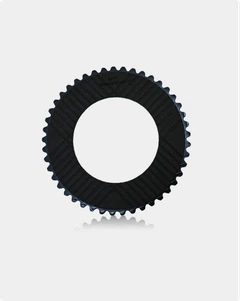
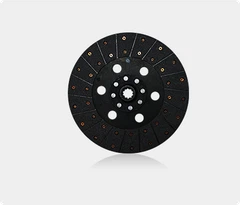
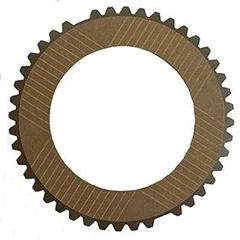
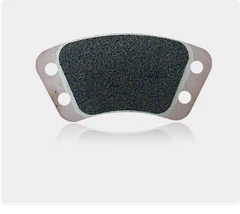
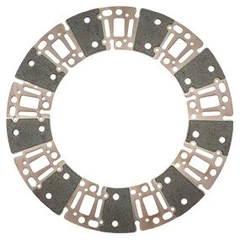

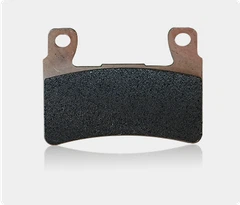



As a supplier of Quality Sintered Motorcycle Brake Pads, I often encounter questions from motorcycle enthusiasts and mechanics about the compatibility between brake pads and brake fluid. One of the most frequently asked questions is whether quality sintered motorcycle brake pads require a specific type of brake fluid. In this blog post, I'll delve into this topic, exploring the relationship between sintered brake pads and brake fluid to provide you with a comprehensive understanding.
Understanding Sintered Motorcycle Brake Pads
Sintered brake pads are a popular choice among motorcycle riders, especially those who demand high - performance braking. These brake pads are made by sintering metal particles together under high pressure and temperature. The resulting material is extremely durable, resistant to heat, and offers excellent stopping power.
The sintering process creates a complex matrix of metal particles that can effectively grip the brake disc, even under extreme conditions. This makes sintered brake pads ideal for high - speed riding, racing, and heavy - duty applications. They can withstand higher temperatures without fading, which is a significant advantage over other types of brake pads, such as organic or semi - metallic ones.
The Role of Brake Fluid
Brake fluid is a crucial component of the motorcycle braking system. It serves as the medium that transfers the force applied to the brake lever or pedal to the brake calipers, which then squeeze the brake pads against the brake disc. A good brake fluid must have several key properties:


- High boiling point: Motorcycles generate a lot of heat during braking, especially during aggressive riding or when descending long hills. A high - boiling - point brake fluid ensures that it doesn't vaporize under high temperatures, which could lead to a loss of braking performance known as "brake fade."
- Low compressibility: Brake fluid needs to be nearly incompressible so that the force applied at the brake lever is efficiently transmitted to the calipers. Any compressibility in the fluid can result in a spongy brake feel and reduced braking effectiveness.
- Corrosion resistance: Brake fluid comes into contact with various metal components in the braking system, such as the calipers, master cylinders, and brake lines. It must be formulated to prevent corrosion and rust, which could damage these components over time.
Compatibility between Sintered Brake Pads and Brake Fluid
In general, quality sintered motorcycle brake pads do not require a specific type of brake fluid. However, there are some factors to consider when choosing the right brake fluid for a motorcycle equipped with sintered brake pads.
-
Operating conditions: If you use your motorcycle for high - performance riding, such as racing or track days, you'll need a brake fluid with a very high boiling point. Sintered brake pads generate more heat than other types of brake pads due to their superior friction characteristics. A high - performance brake fluid can handle this additional heat without boiling, ensuring consistent braking performance. For example, DOT 4 and DOT 5.1 brake fluids are commonly used in high - performance applications because they have relatively high boiling points.
-
Moisture absorption: Brake fluid has a tendency to absorb moisture from the air over time. Moisture can lower the boiling point of the fluid and increase the risk of corrosion. Sintered brake pads, with their high - heat - generating nature, can exacerbate the effects of moisture in the brake fluid. Therefore, it's important to choose a brake fluid with low moisture absorption and to change the brake fluid regularly, especially if you ride in humid conditions.
-
System requirements: Some motorcycles have specific brake system requirements outlined by the manufacturer. It's always a good idea to consult the motorcycle's owner's manual to determine the recommended type of brake fluid. While sintered brake pads themselves don't dictate a specific fluid, following the manufacturer's recommendations ensures that the entire braking system operates optimally.
Types of Brake Fluids
There are several types of brake fluids available on the market, each with its own characteristics:
- DOT 3: This is a glycol - based brake fluid that is commonly used in many street motorcycles. It has a moderate boiling point and is relatively affordable. However, it absorbs moisture more quickly than other types of brake fluids, so it needs to be changed more frequently.
- DOT 4: DOT 4 brake fluid has a higher boiling point than DOT 3 and is also glycol - based. It is suitable for most motorcycles, including those with sintered brake pads, especially for normal street riding and occasional high - performance use.
- DOT 5.1: Similar to DOT 4, DOT 5.1 is a glycol - based brake fluid but with an even higher boiling point. It is often used in high - performance motorcycles and racing applications. It offers excellent performance under extreme conditions and has relatively low moisture absorption.
- DOT 5: This is a silicone - based brake fluid. It has a very high boiling point and does not absorb moisture. However, it is not compatible with all braking systems, and it can cause issues with some rubber components in the brake system. It is less commonly used in motorcycles compared to glycol - based brake fluids.
Choosing the Right Brake Fluid for Sintered Brake Pads
When choosing a brake fluid for a motorcycle with sintered brake pads, here are some tips:
- Consider your riding style: If you're a casual rider who mainly uses the motorcycle for commuting or weekend rides, a DOT 4 brake fluid may be sufficient. However, if you're an aggressive rider or participate in racing events, a DOT 5.1 brake fluid is a better choice.
- Follow the manufacturer's recommendations: As mentioned earlier, the motorcycle manufacturer's recommendations are crucial. They take into account the specific design and requirements of the braking system.
- Check for compatibility: Make sure the brake fluid you choose is compatible with all the components in the braking system, including the rubber seals and hoses.
Importance of Regular Brake Fluid Changes
Regardless of the type of brake pads and brake fluid you use, regular brake fluid changes are essential for maintaining optimal braking performance. Over time, brake fluid absorbs moisture, which can lower its boiling point and increase the risk of corrosion. For motorcycles with sintered brake pads, which generate more heat, it's especially important to change the brake fluid at the recommended intervals.
Most motorcycle manufacturers recommend changing the brake fluid every 1 - 2 years, depending on the model and usage. A fresh brake fluid ensures that the braking system operates at its best, providing reliable and consistent braking performance.
Conclusion
In conclusion, while quality sintered motorcycle brake pads do not strictly require a specific type of brake fluid, choosing the right brake fluid is crucial for optimal braking performance. Factors such as riding style, operating conditions, and the motorcycle's system requirements should be considered when selecting a brake fluid. Regular brake fluid changes are also essential to maintain the integrity of the braking system.
If you're in the market for high - performance front brake pads or quality sintered motorcycle brake pads, you can check out our High Performance Front Brake Pads and Quality Sintered Motorcycle Brake Pad offerings. We are committed to providing the highest - quality brake pads for motorcycle enthusiasts. If you have any questions or are interested in purchasing our products, feel free to reach out to us for a procurement discussion.
References
- "Motorcycle Brake Systems: A Technical Guide" by Motorcycle Engineering Press.
- Manufacturer's manuals of various motorcycle models.
- Technical literature from brake fluid manufacturers.


