
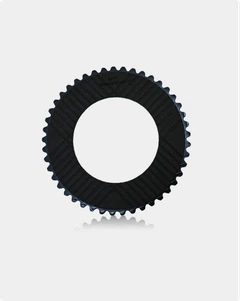
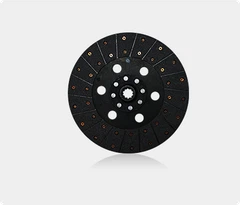
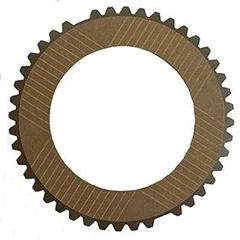
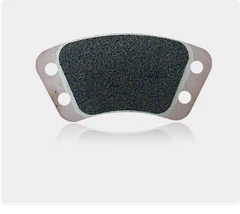
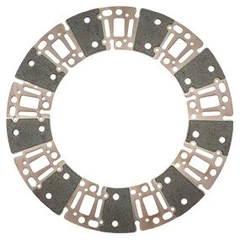
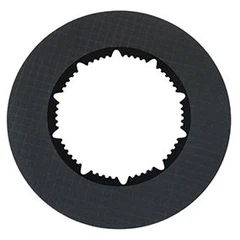

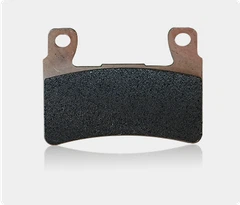
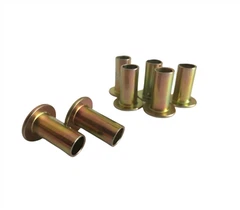



Hey there! As a supplier of Military Tanks Friction Brake Pads, I've got a ton of knowledge about brake pads, and I'm super excited to share with you how military tanks' friction brake pads stack up against those in civilian vehicles.
1. Design and Functionality
Let's start with the design. Civilian vehicle brake pads are mainly designed for everyday use on regular roads. They're built to provide smooth and quiet braking for cars, trucks, and SUVs that are cruising around town, going on highway trips, or just doing the daily commute. The design focus is on comfort, low noise, and a relatively long lifespan under normal driving conditions.
On the other hand, military tanks operate in completely different environments. They need to stop massive amounts of weight, often moving at high speeds, in all sorts of terrains - from muddy fields to rocky deserts. Military tank brake pads are designed to handle extreme stress and heat. They have to be able to stop a multi - ton tank quickly and safely, even when the tank is on an incline or moving through rough terrain.
The functionality of civilian brake pads is centered around providing a predictable and consistent braking force. When you press the brake pedal in your car, you expect a smooth deceleration. Military tank brake pads, however, need to be able to deliver a high - intensity braking force almost instantaneously. This is crucial for military operations, where quick stops can mean the difference between success and failure, or even life and death.
2. Materials Used
In civilian vehicles, brake pads are typically made from a variety of materials. Semi - metallic brake pads are quite common. They're made of a mix of metal fibers (like steel, copper, and iron) and other materials. These pads offer good braking performance and are relatively affordable. Ceramic brake pads are also popular, especially in high - end vehicles. They're quieter, produce less dust, and have a longer lifespan, but they can be more expensive.
Military tank brake pads, on the other hand, use much more heavy - duty materials. They often contain high - strength metals and special friction materials that can withstand extreme heat and pressure. For example, some military brake pads use carbon - carbon composites. These materials have excellent heat resistance and can maintain their braking performance even under the most extreme conditions. The use of such advanced materials ensures that the tank can stop reliably, no matter how harsh the environment or how intense the operation.
3. Heat Resistance
Heat is a major factor when it comes to brake performance. In civilian vehicles, normal driving conditions don't usually generate excessive heat. When you stop at a traffic light or slow down on the highway, the brake pads heat up, but the heat dissipates relatively quickly. Civilian brake pads are designed to handle this normal level of heat. However, if you drive aggressively or do a lot of stop - and - go driving, the heat can build up, and the brake pads may start to fade, reducing their effectiveness.
Military tanks, though, generate an enormous amount of heat when braking. The sheer weight and speed of the tank mean that a huge amount of energy needs to be dissipated when the brakes are applied. Military tank brake pads are engineered to handle this extreme heat. They have advanced cooling mechanisms and materials that can withstand temperatures that would destroy civilian brake pads. This heat resistance is essential for maintaining braking performance during long - term military operations.
4. Durability and Maintenance
Civilian brake pads are designed for a certain lifespan under normal driving conditions. On average, they may need to be replaced every 25,000 - 70,000 miles, depending on the type of vehicle, driving style, and the quality of the brake pads. Maintenance is relatively straightforward, usually involving regular inspections and occasional replacements.
Military tank brake pads, due to the extreme conditions they operate in, need to be much more durable. They are built to last through multiple missions and harsh environments. However, when maintenance is required, it's a much more involved process. Military tanks are complex machines, and accessing the brake system can be difficult. Maintenance often requires specialized tools and trained personnel. But the durability of these brake pads means that they don't need to be replaced as frequently as civilian brake pads, which is a huge advantage in military operations where downtime needs to be minimized.
5. Cost
Cost is another significant difference. Civilian brake pads are relatively inexpensive, especially the basic semi - metallic ones. You can find a set of brake pads for a common car for as little as $30 - $50. Even high - end ceramic brake pads usually cost less than $200 per set.
Military tank brake pads, on the other hand, are extremely expensive. The advanced materials, complex design, and high - performance requirements drive up the cost. The research and development that goes into creating these brake pads also add to the price. But for the military, the cost is justified by the critical role these brake pads play in ensuring the safety and effectiveness of their operations.
6. Safety Standards
Civilian vehicles are subject to strict safety standards set by government agencies. These standards ensure that brake pads provide a minimum level of performance, reliability, and safety. For example, they must meet requirements for braking distance, noise levels, and durability.
Military tank brake pads are held to an even higher standard. The safety of military personnel and the success of military missions depend on the reliable operation of the brakes. Military standards cover everything from the materials used to the performance under extreme conditions. Rigorous testing is conducted to ensure that the brake pads meet these high - level requirements.

Why Choose Our Military Tanks Friction Brake Pads
As a supplier of Military Tanks Friction Brake Pads, we take pride in offering top - quality products. Our brake pads are designed and manufactured to meet the toughest military standards. We use the latest materials and technologies to ensure maximum performance, heat resistance, and durability.
Whether you're in charge of maintaining a fleet of military tanks or involved in military procurement, our brake pads are the ideal choice. We understand the unique needs of the military and are committed to providing products that can stand up to the most challenging conditions.
If you're interested in our Military Tanks Friction Brake Pads, we'd love to hear from you. Reach out to us to start a conversation about your specific requirements. We're here to provide you with the best solutions for your military braking needs.
References
- Automotive Brake System Manuals
- Military Equipment Technical Specifications
- Research Papers on Brake Pad Materials and Performance


