



A high - performance clutch plate is a crucial component in a vehicle's transmission system, playing a vital role in transferring power from the engine to the gearbox. As a clutch plate supplier, I have in - depth knowledge about how these high - performance clutch plates work and their significance in various applications.
Basic Structure of a Clutch Plate
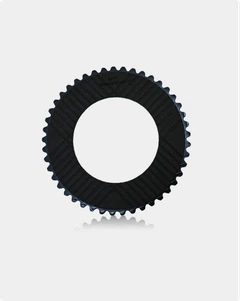
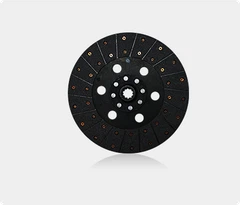
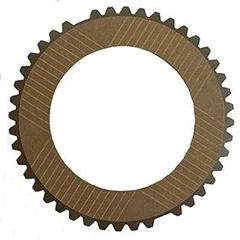
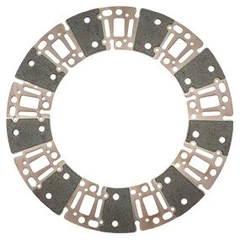
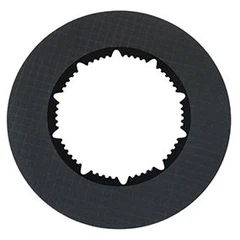
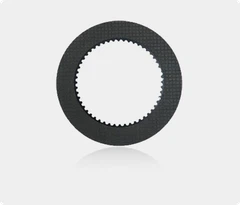
A clutch plate typically consists of several key parts. The core is usually a metal disc, which provides the structural integrity. On both sides of this metal disc, there are friction linings. These friction linings are made from special materials that are designed to withstand high temperatures and pressures. The choice of friction material is of utmost importance as it directly affects the performance of the clutch plate.
There are also springs and dampers incorporated into the clutch plate. The springs are used to absorb the shock and vibrations during the engagement and disengagement of the clutch. Dampers, on the other hand, help to smooth out the power transfer, reducing the jerks and ensuring a more comfortable driving experience.
Working Principle of a Clutch Plate
The operation of a clutch plate can be divided into two main states: the engaged state and the disengaged state.
Engaged State
When the clutch pedal is released, the clutch plate is in the engaged state. In this state, the pressure plate, which is connected to the engine flywheel, presses the clutch plate against the flywheel. The friction between the friction linings of the clutch plate and the flywheel surface allows the power from the engine to be transferred to the transmission input shaft.
As the engine rotates, the flywheel rotates at the same speed. The clutch plate, being firmly pressed against the flywheel, also rotates at the same speed as the flywheel. This rotation is then transmitted to the transmission input shaft, which in turn drives the gears in the gearbox and ultimately the wheels of the vehicle.
The amount of power that can be transferred depends on the coefficient of friction of the friction linings and the clamping force applied by the pressure plate. A high - performance clutch plate is designed to have a high coefficient of friction, which means it can transfer more power without slipping. At the same time, the pressure plate is engineered to provide a large clamping force, ensuring a reliable connection between the clutch plate and the flywheel.
Disengaged State
When the clutch pedal is depressed, the clutch plate enters the disengaged state. A release bearing is pushed against the pressure plate, which causes the pressure plate to move away from the clutch plate. As a result, the clutch plate is no longer in contact with the flywheel, and the power transfer from the engine to the transmission is interrupted.
This disengaged state is essential for gear shifting. When the driver wants to change gears, depressing the clutch pedal allows the gears in the gearbox to be shifted smoothly without the interference of the engine's power. Once the gear is shifted, releasing the clutch pedal re - engages the clutch plate, and the power transfer resumes.


Factors Affecting the Performance of a High - Performance Clutch Plate
Friction Material
The friction material used in a clutch plate is one of the most critical factors affecting its performance. Different types of friction materials have different properties. For example, some materials are more suitable for high - torque applications, while others are better at withstanding high temperatures.
As a clutch plate supplier, we offer a variety of friction materials to meet different customer needs. Our Cost Effective Friction Plate Material is a popular choice for customers who are looking for a balance between performance and cost. It provides good friction performance and durability at a reasonable price.
On the other hand, our Wear Resistant Sintered Clutch Plate uses a sintered friction material that is highly wear - resistant. This type of clutch plate is ideal for heavy - duty applications where the clutch is subjected to frequent and intense use.
Heat Dissipation
During the operation of the clutch plate, a large amount of heat is generated due to the friction between the clutch plate and the flywheel. If this heat is not dissipated effectively, it can cause the friction material to overheat, which may lead to reduced friction performance, premature wear, and even clutch failure.
High - performance clutch plates are designed with features to enhance heat dissipation. For example, some clutch plates have ventilation holes or grooves on the friction linings, which allow air to flow through and carry away the heat. Additionally, the metal core of the clutch plate can also act as a heat sink, absorbing and transferring the heat to the surrounding environment.
Clamping Force
The clamping force applied by the pressure plate is another important factor. A higher clamping force can ensure a more reliable connection between the clutch plate and the flywheel, allowing for greater power transfer. However, too high a clamping force can also cause excessive wear on the clutch plate and other components.
Modern high - performance clutch plates are designed to optimize the clamping force. Advanced pressure plate designs use materials and mechanisms that can provide a large clamping force while minimizing the weight and size of the pressure plate. This not only improves the performance of the clutch but also reduces the overall weight of the vehicle, which can have a positive impact on fuel efficiency.
Applications of High - Performance Clutch Plates
Automotive
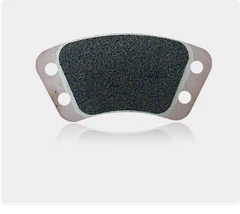
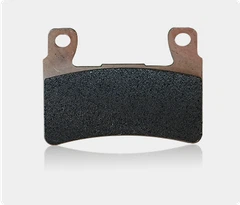
In the automotive industry, high - performance clutch plates are widely used in sports cars, racing cars, and heavy - duty vehicles. Sports cars and racing cars require a clutch plate that can transfer a large amount of power quickly and efficiently. Our High Torque Brake Friction Plate is an excellent choice for these high - performance applications. It can handle high - torque loads and provide smooth and reliable power transfer.
Heavy - duty vehicles, such as trucks and buses, also need high - performance clutch plates. These vehicles often carry heavy loads and are subjected to frequent start - stop operations. A high - performance clutch plate can withstand the high - stress conditions and ensure a long service life.
Industrial Machinery
High - performance clutch plates are also used in various industrial machinery, such as construction equipment, agricultural machinery, and manufacturing machinery. In these applications, the clutch plate is responsible for transferring power between different components of the machinery. For example, in a construction crane, the clutch plate is used to control the movement of the hoisting mechanism. A reliable and high - performance clutch plate is essential for the safe and efficient operation of the machinery.
Conclusion
In conclusion, a high - performance clutch plate is a complex and important component that plays a crucial role in the power transfer of vehicles and industrial machinery. Its performance is affected by various factors, including friction material, heat dissipation, and clamping force.
As a clutch plate supplier, we are committed to providing high - quality clutch plates that meet the diverse needs of our customers. Whether you are looking for a cost - effective solution or a high - end performance product, we have the right clutch plate for you. If you are interested in our products or have any questions about clutch plates, please feel free to contact us for procurement and further discussions. We are always ready to provide you with professional advice and excellent service.
References
- Automotive Transmission Handbook, Edited by Manfred G. Olbrich
- Clutch Design and Application, SAE International Publications


