



Hey there, fellow drivers and car enthusiasts! Today, I'm gonna dive into a topic that's super important when it comes to driving - how the disengagement time affects driving. And as a clutch disc supplier, I've got some insights to share that I think you'll find pretty interesting.
First off, let's talk about what disengagement time actually is. In simple terms, it's the time it takes for the clutch to disengage, which means separating the engine from the transmission. This is a crucial process when you're shifting gears, starting the car, or coming to a stop. The disengagement time can vary depending on a whole bunch of factors, like the type of clutch, the condition of the clutch components, and even the driving style.
Now, why does the disengagement time matter so much? Well, it can have a huge impact on your driving experience in several ways.
Smoothness of Gear Shifting
One of the most obvious effects of disengagement time is on the smoothness of gear shifting. If the disengagement time is too long, you might experience a delay when you try to shift gears. This can lead to a jerky transition between gears, which not only makes your drive less comfortable but can also put extra stress on your transmission. On the other hand, if the disengagement time is too short, the gears might not have enough time to fully disengage, causing grinding noises and potentially damaging the gearbox.
Imagine you're driving on a busy highway and you need to shift gears quickly to overtake another car. If your clutch has a long disengagement time, you might miss the perfect moment to shift, and you could end up losing speed or even causing a dangerous situation. That's why having a clutch with the right disengagement time is so important for a smooth and safe driving experience.
Fuel Efficiency
Believe it or not, the disengagement time can also affect your fuel efficiency. When the clutch takes too long to disengage, the engine is still transferring power to the transmission even when you're trying to shift gears. This means that the engine has to work harder, which burns more fuel. Over time, this can add up and cost you a significant amount of money at the pump.
On the flip side, a clutch with a short and efficient disengagement time allows for quicker and smoother gear shifts. This means that the engine can operate more efficiently, using less fuel in the process. So, if you're looking to save some money on gas, choosing a clutch with the right disengagement time is definitely a smart move.
Wear and Tear on Clutch Components
The disengagement time can also have a big impact on the lifespan of your clutch components. A clutch that takes too long to disengage can cause excessive wear on the clutch disc, pressure plate, and other related parts. This is because the clutch is constantly slipping and not fully separating the engine from the transmission, which generates a lot of heat and friction. Over time, this can lead to premature wear and tear, and you might end up having to replace your clutch components more frequently.
On the other hand, a clutch with a proper disengagement time ensures that the clutch components are working together smoothly and efficiently. This reduces the amount of stress and wear on the parts, extending their lifespan and saving you money in the long run.
Types of Clutch Discs and Disengagement Time
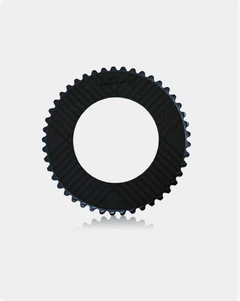
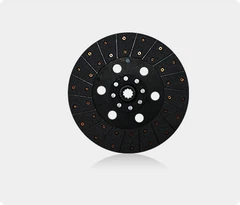
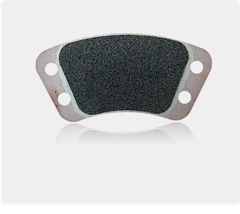
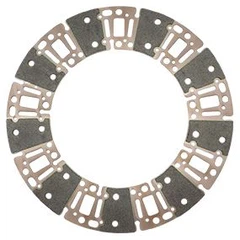
As a clutch disc supplier, I know that different types of clutch discs can have different disengagement times. For example, High Performance Clutch Disc are designed for high-performance vehicles and drivers who demand quick and precise gear shifts. These clutch discs typically have a shorter disengagement time, which allows for faster and smoother gear changes. This is great for racing or aggressive driving, but it might not be the best option for everyday commuting.
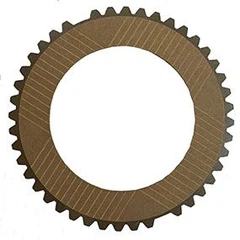
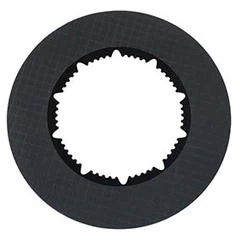
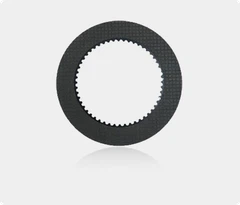
Long Lasting Friction Clutch Disc, on the other hand, are designed to provide a balance between performance and durability. They usually have a slightly longer disengagement time compared to high-performance clutch discs, but they offer better resistance to wear and tear. This makes them a popular choice for drivers who want a reliable clutch that will last for a long time.
And then there are Professional Clutch Disc Assy, which are designed for professional drivers and heavy-duty applications. These clutch discs are built to handle high torque and extreme conditions, and they often have a customized disengagement time to meet the specific needs of the vehicle and the driver.
Factors Affecting Disengagement Time
There are several factors that can affect the disengagement time of a clutch. One of the most important factors is the friction material used in the clutch disc. Different friction materials have different coefficients of friction, which can affect how quickly the clutch engages and disengages. For example, a clutch disc with a high-friction material might have a shorter disengagement time, but it might also generate more heat and wear out faster.
The condition of the clutch components also plays a big role in the disengagement time. If the clutch disc is worn out, the pressure plate is damaged, or the release bearing is faulty, the disengagement time can be affected. Regular maintenance and inspection of your clutch components are essential to ensure that they are in good working condition and that the disengagement time remains consistent.
Another factor that can affect the disengagement time is the driving style. Aggressive drivers who shift gears quickly and frequently might put more stress on the clutch, which can cause the disengagement time to change over time. On the other hand, drivers who are more gentle and smooth with their gear shifts might experience less wear and tear on the clutch, resulting in a more consistent disengagement time.


How to Choose the Right Clutch Disc for Your Vehicle
Now that you understand how the disengagement time affects driving, you might be wondering how to choose the right clutch disc for your vehicle. Here are a few things to consider:
- Vehicle Type and Usage: Think about what type of vehicle you have and how you use it. If you have a high-performance sports car and you like to drive aggressively, a high-performance clutch disc might be the best option for you. If you use your vehicle for everyday commuting and you want a reliable and long-lasting clutch, a long-lasting friction clutch disc might be a better choice.
- Driving Style: Your driving style also plays a big role in choosing the right clutch disc. If you're a gentle driver who shifts gears smoothly, you might not need a high-performance clutch disc. However, if you're an aggressive driver who likes to push your vehicle to the limit, a clutch disc with a shorter disengagement time might be more suitable.
- Budget: Of course, your budget is also an important factor to consider. High-performance clutch discs and professional clutch disc assemblies are usually more expensive than standard clutch discs. Make sure you choose a clutch disc that fits your budget while still meeting your performance and durability requirements.
Conclusion
In conclusion, the disengagement time of a clutch can have a significant impact on your driving experience, fuel efficiency, and the lifespan of your clutch components. As a clutch disc supplier, I understand the importance of choosing the right clutch disc for your vehicle and driving style. Whether you're looking for a High Performance Clutch Disc, a Long Lasting Friction Clutch Disc, or a Professional Clutch Disc Assy, I've got the right solution for you.
If you're interested in learning more about our clutch discs or if you have any questions about choosing the right clutch for your vehicle, don't hesitate to reach out. We're here to help you make the best decision for your driving needs. Let's work together to ensure that your vehicle has a smooth, efficient, and reliable clutch system.
References
- Smith, J. (2020). The Science of Clutch Systems. Automotive Engineering Journal.
- Johnson, A. (2019). How Clutch Design Affects Driving Performance. Car Enthusiast Magazine.
- Williams, B. (2018). Understanding Clutch Friction Materials. Mechanical Engineering Review.


