

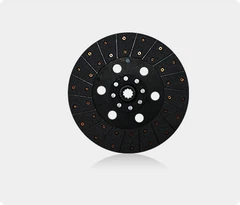
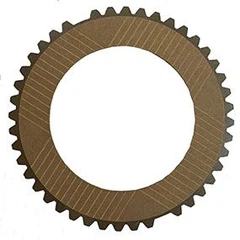
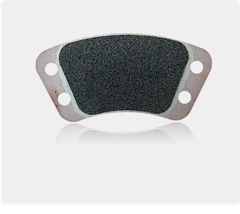
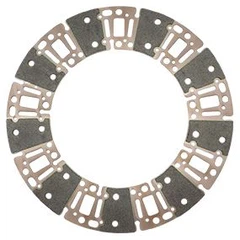
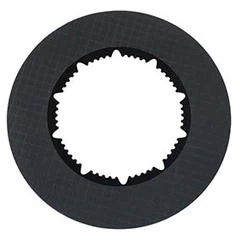

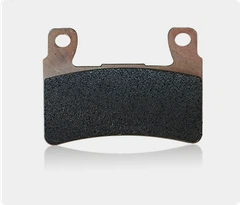
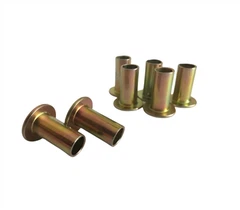



As a supplier of High Reliability Sintered Clutch Buttons, I understand the critical role that proper tension adjustment plays in the performance and longevity of these components. In this blog post, I'll share some insights on how to adjust the tension of high reliability sintered clutch buttons effectively.
Understanding the Importance of Tension Adjustment
The tension of a clutch button is crucial for ensuring smooth engagement and disengagement of the clutch system. If the tension is too loose, the clutch may slip, leading to reduced power transmission and potential damage to the clutch components. On the other hand, if the tension is too tight, it can cause excessive wear on the clutch disc and other related parts, as well as make the clutch pedal feel stiff and difficult to operate.


Tools Required for Tension Adjustment
Before you start adjusting the tension of the sintered clutch button, you'll need to gather the following tools:
- A set of wrenches: You'll need wrenches of appropriate sizes to loosen and tighten the nuts and bolts that hold the clutch components in place.
- A torque wrench: This is essential for ensuring that the bolts are tightened to the correct torque specification, which is usually provided by the manufacturer.
- A feeler gauge: A feeler gauge is used to measure the clearance between the clutch components, which is an important factor in determining the correct tension.
- A clutch alignment tool: This tool helps to align the clutch disc and pressure plate during installation, ensuring proper operation of the clutch system.
Step-by-Step Guide to Tension Adjustment
The following steps outline the general process for adjusting the tension of high reliability sintered clutch buttons:
- Prepare the Vehicle: Park the vehicle on a level surface and engage the parking brake. Make sure the engine is turned off and the transmission is in neutral.
- Access the Clutch Components: Depending on the vehicle's make and model, you may need to remove the transmission or other components to access the clutch. Refer to the vehicle's service manual for specific instructions.
- Inspect the Clutch Components: Before making any adjustments, carefully inspect the clutch disc, pressure plate, and other components for signs of wear, damage, or contamination. Replace any worn or damaged parts as necessary.
- Measure the Clearance: Use a feeler gauge to measure the clearance between the clutch disc and the pressure plate. This measurement will help you determine if the tension needs to be adjusted.
- Adjust the Tension: If the clearance is too large, the tension needs to be increased. This can usually be done by tightening the adjusting nuts or bolts on the pressure plate. If the clearance is too small, the tension needs to be decreased by loosening the adjusting nuts or bolts.
- Check the Torque: After making the adjustments, use a torque wrench to tighten the bolts to the correct torque specification. This will ensure that the clutch components are securely fastened and that the tension is evenly distributed.
- Reassemble the Components: Once the tension has been adjusted and the bolts have been tightened, reassemble the clutch components and any other parts that were removed. Make sure to follow the correct installation procedures and torque specifications.
- Test the Clutch: Start the engine and test the clutch operation. Check for smooth engagement and disengagement, and listen for any unusual noises or vibrations. If the clutch still does not operate properly, further adjustments may be necessary.
Tips for Optimal Tension Adjustment
- Follow the Manufacturer's Instructions: Always refer to the manufacturer's service manual or technical specifications for the correct tension adjustment procedure and torque values.
- Use Quality Tools: Invest in high-quality tools to ensure accurate measurements and reliable adjustments.
- Take Your Time: Tension adjustment is a precise process that requires patience and attention to detail. Rushing through the process can lead to incorrect adjustments and potential problems.
- Check for Proper Alignment: Make sure the clutch disc and pressure plate are properly aligned during installation to prevent premature wear and damage.
- Perform Regular Maintenance: Regularly inspect and maintain the clutch system to ensure optimal performance and longevity. This includes checking the fluid level, inspecting the clutch components for wear, and adjusting the tension as needed.
Conclusion
Adjusting the tension of high reliability sintered clutch buttons is a critical task that requires careful attention to detail and the use of proper tools and techniques. By following the steps outlined in this blog post and adhering to the manufacturer's instructions, you can ensure that your clutch system operates smoothly and efficiently, providing reliable performance for years to come.
If you're in the market for high-quality High Reliability Sintered Clutch Button, High Efficiency Cushion Button Clutch, or Premium Copper Clutch Button, please don't hesitate to contact us for more information. We're committed to providing our customers with the best products and services, and we look forward to working with you.
References
- Vehicle Service Manuals
- Manufacturer's Technical Specifications


