
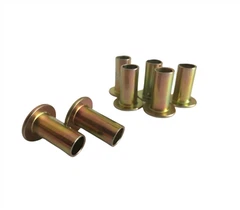



Installing rivets in fabric is a practical skill that can be used for a variety of projects, from fashion design to upholstery. As a rivet supplier, I've seen firsthand how the right rivets can transform a piece of fabric and add both functionality and style. In this blog post, I'll guide you through the process of installing rivets in fabric, from choosing the right rivets to the actual installation steps.

Choosing the Right Rivets
The first step in installing rivets in fabric is selecting the appropriate rivets for your project. There are several factors to consider when making this choice, including the type of fabric, the purpose of the rivets, and the desired aesthetic.
- Type of Fabric: Different fabrics require different types of rivets. For lightweight fabrics like silk or chiffon, you'll want to use smaller, more delicate rivets. Heavier fabrics like denim or leather can handle larger, more robust rivets.
- Purpose of the Rivets: Are you using the rivets for decorative purposes or for functional reasons? If you're using them for decoration, you can choose from a wide range of styles and finishes. If they're for functionality, such as attaching two pieces of fabric together, you'll need to select rivets that are strong and durable.
- Desired Aesthetic: Rivets come in a variety of styles, including flat head, round head, and Button Head Solid Rivets. Consider the overall look you're trying to achieve and choose rivets that complement your design.
Tools and Materials
Before you start installing rivets, you'll need to gather the necessary tools and materials. Here's a list of what you'll need:
- Rivets: Choose the appropriate rivets for your project, as discussed above.
- Rivet Setter: A rivet setter is a tool used to install rivets. There are several types of rivet setters available, including hand-held and bench-mounted models. Choose a rivet setter that is compatible with the size and type of rivets you're using.
- Hammer: You'll need a hammer to strike the rivet setter and set the rivets. Make sure the hammer is heavy enough to provide sufficient force, but not so heavy that it damages the fabric.
- Punch or Awl: A punch or awl is used to make holes in the fabric for the rivets. Choose a punch or awl that is the same size as the shank of the rivets.
- Measuring Tape or Ruler: You'll need a measuring tape or ruler to measure the placement of the rivets and ensure they are evenly spaced.
- Fabric: Choose the fabric you want to install the rivets in. Make sure the fabric is clean and free of any wrinkles or creases.
Preparing the Fabric
Once you have your tools and materials ready, it's time to prepare the fabric for rivet installation. Here's how:
- Mark the Placement of the Rivets: Use a measuring tape or ruler to mark the placement of the rivets on the fabric. Make sure the marks are evenly spaced and aligned.
- Make Holes in the Fabric: Use a punch or awl to make holes in the fabric at the marked locations. Make sure the holes are the same size as the shank of the rivets.
- Clean the Fabric: Use a clean cloth to wipe away any debris or dust from the holes in the fabric. This will ensure a clean and secure fit for the rivets.
Installing the Rivets
Now that the fabric is prepared, it's time to install the rivets. Here's how:
- Insert the Rivet: Insert the shank of the rivet through the hole in the fabric from the front side. Make sure the rivet is centered and flush with the fabric.
- Place the Rivet Setter: Place the rivet setter over the head of the rivet on the back side of the fabric. Make sure the rivet setter is centered and aligned with the rivet.
- Strike the Rivet Setter: Use a hammer to strike the rivet setter firmly and evenly. This will cause the shank of the rivet to expand and form a secure bond with the fabric.
- Check the Rivet: After striking the rivet setter, check the rivet to make sure it is securely installed. The head of the rivet should be flush with the fabric, and the shank should be expanded and tightly bonded to the fabric.
- Repeat the Process: Repeat the process for each rivet, making sure to follow the same steps and ensure consistent results.
Tips and Tricks
Here are some tips and tricks to help you install rivets in fabric like a pro:
- Practice on Scrap Fabric: Before installing rivets on your final project, practice on a scrap piece of fabric to get the hang of the process and ensure you're using the right tools and techniques.
- Use a Backing Plate: If you're working with a thin or delicate fabric, use a backing plate to prevent the fabric from tearing or stretching during the rivet installation process.
- Apply Pressure Evenly: When striking the rivet setter, make sure to apply pressure evenly to ensure a secure and consistent bond between the rivet and the fabric.
- Use the Right Size Rivets: Make sure to choose rivets that are the appropriate size for your fabric and project. Using rivets that are too large or too small can result in a loose or insecure fit.
- Clean the Tools: After each use, clean the rivet setter and other tools to remove any debris or dust. This will help to ensure the longevity and performance of the tools.
Conclusion
Installing rivets in fabric is a simple and rewarding process that can add both functionality and style to your projects. By choosing the right rivets, tools, and techniques, and following the steps outlined in this blog post, you can install rivets in fabric like a pro. If you have any questions or need further assistance, please don't hesitate to contact us. We're here to help you find the right rivets for your project and provide you with the support and guidance you need to achieve great results.
References
- "Rivet Installation Guide," Rivet Supply Company, accessed [date].
- "How to Install Rivets in Fabric," DIY Network, accessed [date].
- "Rivet Basics: Types, Uses, and Installation," The Spruce Crafts, accessed [date].


