



Hey there, fellow racing enthusiasts! As a clutch racing supplier, I've seen firsthand the importance of choosing the right clutch material for high - performance racing. In this blog, I'm gonna break down the different clutch materials used in racing and how they can impact your vehicle's performance.
Organic Clutch Materials
Let's start with organic clutch materials. These are made from a blend of fibers, usually asbestos (although asbestos is less common these days due to health concerns) or other organic fibers like cellulose, aramid, or carbon. Organic clutches are known for their smooth engagement. They're like that friendly neighbor who always greets you with a smile.
When you're driving on the track, a smooth - engaging clutch is crucial. It allows for seamless gear changes, which can save you precious seconds during a race. Organic clutches also have good heat dissipation properties. Heat is the enemy of a clutch, and if it can't handle the heat, it'll start to fade, and your performance will take a nosedive.
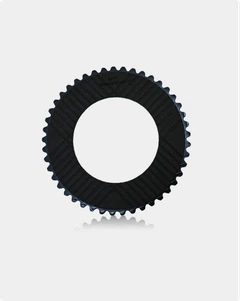
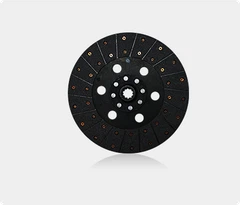
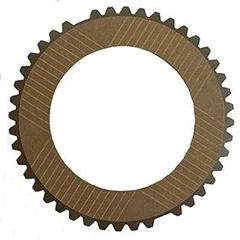
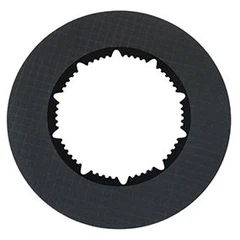
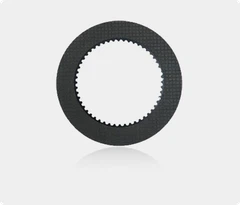
However, organic clutches do have their limitations. They're not as durable as some other materials, especially under extreme racing conditions. If you're constantly doing high - speed starts and hard shifts, an organic clutch might wear out faster. But for amateur racers or those who are just starting out, an organic clutch can be a great choice. Check out our High Performance Racing Clutch Friction Disc which uses high - quality organic materials for a smooth and reliable performance.
Ceramic Clutch Materials
Next up, we've got ceramic clutch materials. These are the heavy - hitters in the racing world. Ceramic clutches are made from a combination of ceramic compounds and metal particles. They're designed to handle high temperatures and high torque loads.
If you're driving a high - powered race car with a lot of torque, a ceramic clutch is your best bet. It can withstand the intense heat generated during hard acceleration and rapid gear changes. The friction coefficient of ceramic clutches is also very high, which means they can transfer more power from the engine to the transmission.
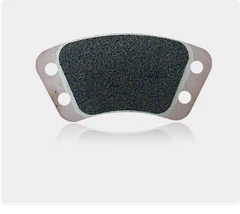
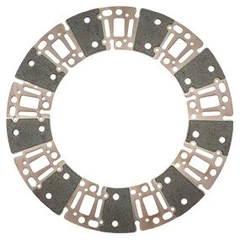
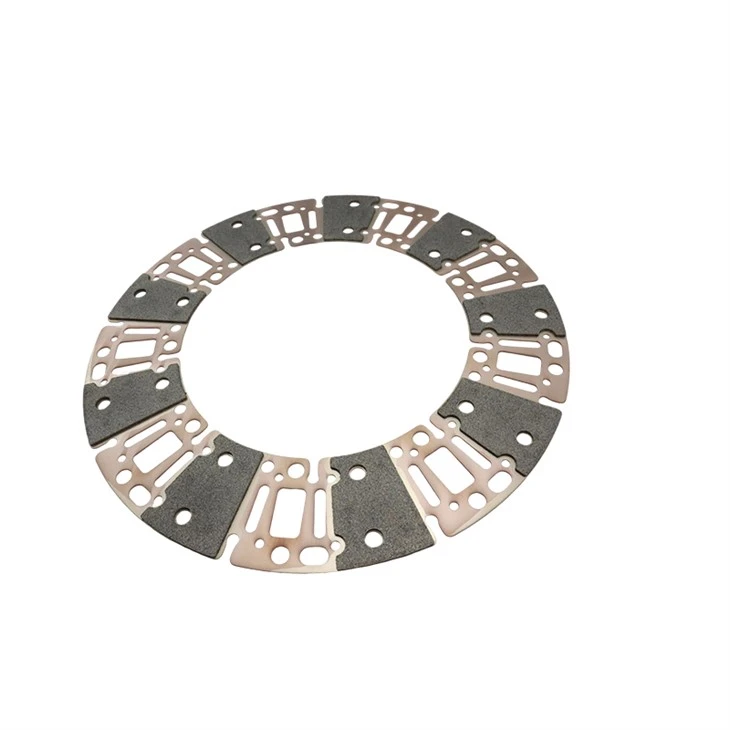
But there's a catch. Ceramic clutches can be a bit harsh to engage. It's like trying to tame a wild horse. You need to have a good feel for the clutch pedal to avoid jerky starts. Also, they can be more expensive than organic clutches. But if you're serious about racing and need a clutch that can handle the heat and power, a ceramic clutch is worth the investment. Take a look at our Advanced Racing Clutch Plate with 4 Pads which features a ceramic - based design for maximum performance.
Carbon - Carbon Clutch Materials
Carbon - carbon clutch materials are the cream of the crop in the racing world. These clutches are made from carbon fibers that are woven together and then impregnated with a carbon matrix. They offer the ultimate in performance and durability.
Carbon - carbon clutches have an incredibly high heat capacity. They can handle temperatures that would melt other clutch materials. This means they can maintain their performance even during long, intense races. They also have a very low weight, which is a big advantage in racing. A lighter clutch reduces the rotational mass of the engine, which can improve acceleration and handling.
The only downside is the cost. Carbon - carbon clutches are extremely expensive. They're usually reserved for professional racing teams and high - end race cars. But if you've got the budget and you're looking for the best of the best, a carbon - carbon clutch is the way to go.
Bronze Clutch Materials
Bronze clutch materials are another option for racing. Bronze is a metal alloy that contains copper and tin. Bronze clutches are known for their high heat resistance and good wear characteristics.
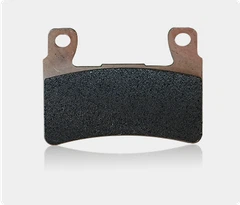
They're a great choice for applications where you need a clutch that can handle a lot of heat without fading. Bronze clutches also have a relatively high friction coefficient, which means they can transfer power effectively. Our Performance Bronze Clutch Facing Kit is a great example of a high - quality bronze clutch product.
How to Choose the Right Clutch Material
So, how do you choose the right clutch material for your racing needs? Well, it depends on a few factors. First, consider the power and torque of your engine. If you've got a high - powered engine, you'll need a clutch material that can handle the load. Ceramic or carbon - carbon clutches are usually the best choices for high - performance engines.

Next, think about your driving style. If you're a smooth driver who likes to shift gears gently, an organic clutch might be a good option. But if you're an aggressive driver who likes to push the limits, a ceramic or carbon - carbon clutch will be more suitable.
Finally, consider your budget. As I mentioned earlier, carbon - carbon clutches are the most expensive, while organic clutches are the most affordable. You need to find a balance between performance and cost.
Conclusion
In conclusion, choosing the right clutch material is crucial for a successful racing experience. Whether you're an amateur racer or a professional, there's a clutch material out there that's perfect for your needs. We, as a clutch racing supplier, are here to help you make the right choice.
If you're interested in learning more about our clutch products or want to discuss your specific racing requirements, don't hesitate to reach out. We're always happy to have a chat and help you find the perfect clutch for your race car.
References
- Smith, J. (2020). Racing Clutch Materials: A Comprehensive Guide. Motorsport Magazine.
- Johnson, M. (2019). The Science of Clutch Performance. Automotive Engineering Journal.


