
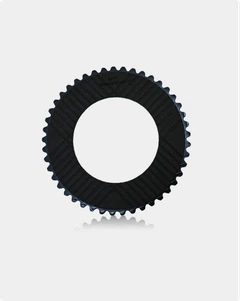
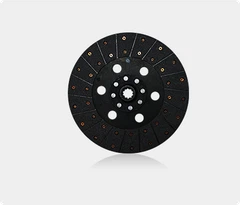
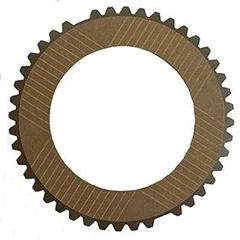
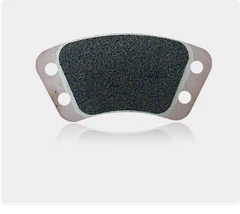
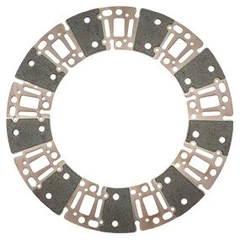
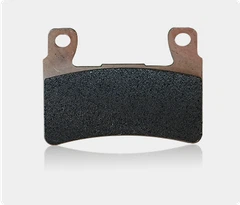



Organic motorcycle brake pads have long been a popular choice among riders due to their affordability, quiet operation, and relatively low wear on brake rotors. As a motorcycle brake pads supplier, I've seen firsthand the widespread use of organic brake pads in the market. However, like any product, they come with their own set of disadvantages that riders and mechanics should be aware of. In this blog, we'll delve into the drawbacks of organic motorcycle brake pads to help you make an informed decision when choosing the right brake pads for your motorcycle.
1. Limited Heat Resistance
One of the most significant disadvantages of organic motorcycle brake pads is their limited heat resistance. Organic brake pads are made from a mixture of organic materials such as rubber, resin, and fibers. While these materials provide good initial braking performance and low noise levels, they tend to break down at high temperatures.
When you apply the brakes repeatedly, such as during aggressive riding or descending long hills, the friction between the brake pads and the rotors generates a significant amount of heat. As the temperature rises, the organic materials in the brake pads start to decompose, resulting in a phenomenon known as brake fade. Brake fade is characterized by a decrease in braking performance, longer stopping distances, and a spongy or soft brake pedal feel.
In extreme cases, brake fade can be dangerous, especially when you need to make an emergency stop. To overcome this limitation, riders may need to upgrade to High Performance Front Brake Pads that are designed to withstand higher temperatures and provide consistent braking performance under demanding conditions.
2. Shorter Lifespan
Another drawback of organic motorcycle brake pads is their relatively short lifespan compared to other types of brake pads, such as semi-metallic or sintered brake pads. Organic brake pads wear out more quickly because the organic materials they are made of are softer and more prone to abrasion.
The rate at which organic brake pads wear depends on several factors, including your riding style, the type of motorcycle you ride, and the conditions in which you ride. Aggressive riders who frequently use the brakes hard will wear out their brake pads faster than more conservative riders. Similarly, motorcycles with larger engines or heavier weights require more braking force, which can also accelerate the wear of the brake pads.
Replacing brake pads regularly is essential for maintaining optimal braking performance and safety. However, the shorter lifespan of organic brake pads means that you'll need to replace them more frequently, which can increase your overall maintenance costs. If you're looking for a more durable option, consider Quality Sintered Motorcycle Brake Pad that offer longer service life and better resistance to wear.


3. Reduced Braking Performance in Wet Conditions
Organic motorcycle brake pads also tend to perform poorly in wet conditions. When the brake pads get wet, the organic materials can absorb water, which reduces their friction coefficient and makes them less effective at stopping the motorcycle.
In wet weather, you may notice that your brakes feel less responsive or that it takes longer to stop your motorcycle. This can be particularly dangerous when riding on wet roads or in heavy rain, where traction is already reduced. To improve braking performance in wet conditions, some riders may choose to use brake pads that are specifically designed for wet weather, such as semi-metallic or sintered brake pads.
4. Dust and Debris Generation
Organic motorcycle brake pads generate more dust and debris compared to other types of brake pads. As the brake pads wear, the organic materials break down and release small particles into the air. These particles can accumulate on the wheels, brakes, and other components of your motorcycle, making them look dirty and unsightly.
In addition to being a cosmetic issue, the dust and debris generated by organic brake pads can also have a negative impact on the performance of your brakes. The dust can clog the brake calipers and rotors, reducing their effectiveness and increasing the risk of brake failure. To minimize the amount of dust and debris generated by your brake pads, you may need to clean your wheels and brakes regularly or consider using low-dust brake pads.
5. Environmental Impact
Finally, organic motorcycle brake pads can have a negative impact on the environment. The organic materials used in these brake pads are often derived from natural resources, such as rubber and resin, which can be depleted over time. In addition, the manufacturing process of organic brake pads can produce pollutants and waste, which can contribute to environmental degradation.
As a responsible motorcycle brake pads supplier, we are committed to reducing the environmental impact of our products. We offer a range of eco-friendly brake pads that are made from sustainable materials and manufactured using environmentally friendly processes. By choosing our eco-friendly brake pads, you can help protect the environment without sacrificing performance or safety.
Conclusion
While organic motorcycle brake pads have their advantages, such as affordability and quiet operation, they also come with several disadvantages that riders should be aware of. Limited heat resistance, shorter lifespan, reduced braking performance in wet conditions, dust and debris generation, and environmental impact are some of the main drawbacks of organic brake pads.
As a motorcycle brake pads supplier, we understand the importance of choosing the right brake pads for your motorcycle. That's why we offer a wide range of high-quality brake pads, including High Performance Front Brake Pads and Quality Sintered Motorcycle Brake Pad, to meet the needs of different riders and riding conditions.
If you're interested in learning more about our products or have any questions about choosing the right brake pads for your motorcycle, please don't hesitate to contact us. We're here to help you make an informed decision and ensure that your motorcycle is equipped with the best possible braking system.
References
- "Motorcycle Brake Pads: A Comprehensive Guide." Motorcycle Consumer News.
- "The Science of Motorcycle Brakes." Motorcyclist Magazine.
- "How to Choose the Right Brake Pads for Your Motorcycle." RevZilla.


