




What are the maintenance intervals for military brake pads?
As a dedicated supplier of military brake pads, I'm often asked about the maintenance intervals for these critical components. Military vehicles operate in some of the most challenging and demanding environments on the planet, from the scorching deserts to the freezing Arctic tundras. Ensuring the optimal performance and safety of these vehicles requires a thorough understanding of brake pad maintenance.
Factors Influencing Maintenance Intervals
The maintenance intervals for military brake pads are not set in stone. Instead, they are influenced by a multitude of factors that can vary significantly depending on the specific military operation and vehicle usage.
One of the primary factors is the type of military vehicle. Tanks, armored personnel carriers, and military trucks have different braking requirements. Tanks, for example, are heavy and require powerful braking systems to stop them safely. The constant start - stop nature of their operations, especially during combat maneuvers, puts a lot of stress on the brake pads. In contrast, military trucks may have a more consistent driving pattern, which can affect the wear rate of the brake pads.
The operating environment also plays a crucial role. In sandy or dusty environments, such as those found in the Middle East, the abrasive nature of the particles can accelerate brake pad wear. The dust can get into the braking system, causing additional friction and reducing the lifespan of the pads. On the other hand, in wet or humid environments, corrosion can be a significant issue. Moisture can cause rust to form on the brake components, which not only affects the performance of the brake pads but can also lead to other mechanical problems.
Another important factor is the driving style. Aggressive driving, which includes frequent hard braking and rapid acceleration, will wear out brake pads much faster than a more conservative driving approach. In military operations, especially during combat situations, the need for quick maneuvers and sudden stops is common, which means the brake pads are subjected to extreme stress.
General Maintenance Intervals
While it's difficult to provide a one - size - fits - all answer, we can offer some general guidelines for maintenance intervals. For light military vehicles like jeeps and small trucks used in non - combat or support roles, brake pads may need to be inspected every 10,000 to 15,000 miles (16,000 to 24,000 kilometers). Depending on the condition of the pads at the inspection, replacement may be necessary between 20,000 to 30,000 miles (32,000 to 48,000 kilometers).
For medium - sized armored vehicles, such as infantry fighting vehicles, the inspection intervals are typically shorter. Inspections should be carried out every 5,000 to 10,000 miles (8,000 to 16,000 kilometers), and replacement may be required between 10,000 to 20,000 miles (16,000 to 32,000 kilometers). These vehicles often operate in more dynamic combat environments, which increases the wear on the brake systems.
Heavy military vehicles like tanks are in a category of their own. Given their high weight and the extreme forces involved in braking, brake pads should be inspected every 2,000 to 5,000 miles (3,200 to 8,000 kilometers). In some cases, depending on the intensity of the usage, replacement may be necessary after as little as 5,000 miles.
Inspection Procedures
Inspecting military brake pads is not a simple task and should be carried out by trained technicians. The first step in the inspection process is to visually examine the brake pads. Look for signs of uneven wear, cracks, or excessive glazing. Uneven wear can indicate problems with the braking system, such as a stuck caliper or a misaligned rotor. Cracks in the brake pads can weaken their structure and potentially lead to failure, while glazing can reduce the friction coefficient of the pads, resulting in reduced braking performance.
Measuring the thickness of the brake pads is also crucial. Most military brake pads have a minimum thickness specification. If the pads have worn down to or near this limit, they should be replaced immediately. In addition to the thickness measurement, the technician should also check the condition of the brake rotors. Worn or damaged rotors can cause premature wear of the brake pads and affect the overall braking performance.
Benefits of Regular Maintenance
Regular maintenance of military brake pads offers several benefits. Firstly, it ensures the safety of the vehicle's crew. Faulty brakes can lead to accidents, endangering the lives of the soldiers on board. By adhering to the recommended maintenance intervals, the risk of brake failure is significantly reduced.
Secondly, regular maintenance can extend the lifespan of the brake system. By detecting and addressing issues early on, such as uneven wear or minor damage, major problems can be avoided. This not only saves on the cost of replacement but also reduces downtime for the military vehicle.

Furthermore, well - maintained brake pads contribute to better vehicle performance. A properly functioning braking system allows the vehicle to stop more efficiently, which is essential for military operations. Whether it's avoiding obstacles during a high - speed pursuit or making a quick stop in a combat situation, reliable brakes are a must.
Our Military Tanks Friction Brake Pads
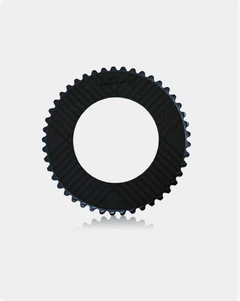
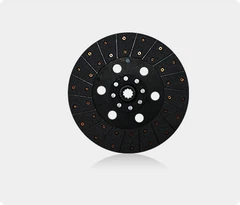
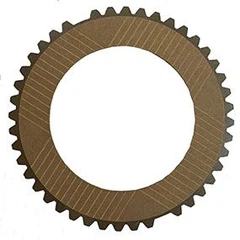
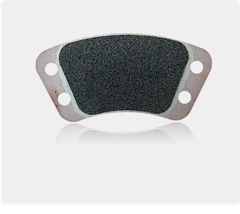
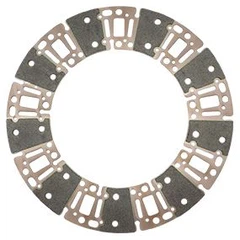
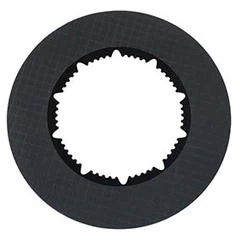
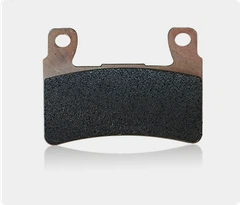
At our company, we understand the importance of high - quality brake pads for military vehicles. Our Military Tanks Friction Brake Pads are designed to withstand the most extreme conditions. They are made from advanced friction materials that offer excellent stopping power and durability. Our engineers have worked tirelessly to develop brake pads that can handle the high temperatures and pressures generated during military operations.
We also offer comprehensive support to our customers. Our team of experts can provide guidance on maintenance intervals based on the specific needs of your military vehicles. Whether you're operating in a desert, a jungle, or a cold - weather environment, we can help you ensure that your brake pads are always in top condition.
Contact Us for Procurement
If you're interested in learning more about our military brake pads or would like to discuss procurement options, we encourage you to reach out to us. Our sales team is ready to answer your questions and provide you with detailed product information. Investing in high - quality brake pads and following the recommended maintenance intervals is essential for the safety and performance of your military vehicles. Don't compromise on the quality of your brake systems. Contact us today and let's start a conversation about how we can meet your military brake pad needs.
References
- "Military Vehicle Maintenance Handbook", Department of Defense, USA
- "Brake System Technology for Military Applications", Journal of Military Engineering


