



Hey there! If you're into DIY projects, metalworking, or just need to fasten things together, you've probably come across blind rivets. They're super handy for joining materials where you can only access one side. As a rivets supplier, I've seen firsthand how useful these little guys can be. So, let's dive into how to install blind rivets.

What Are Blind Rivets?
First off, let's talk about what blind rivets are. Blind rivets, also known as pop rivets, are a type of fastener used to join two or more materials together. They consist of a rivet body and a mandrel. The rivet body is the part that expands to hold the materials in place, and the mandrel is the part that you pull to expand the rivet.
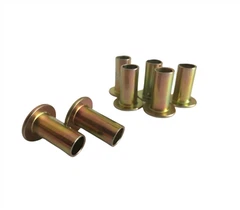
There are different types of blind rivets, like Button Head Solid Rivets. These have a rounded head that gives a nice finish and are great for applications where you want a smooth, aesthetic look.
Tools You'll Need
Before you start installing blind rivets, you'll need a few tools. The most important one is a rivet gun. There are different types of rivet guns, including manual, pneumatic, and battery-powered ones. Manual rivet guns are great for small projects and are relatively inexpensive. Pneumatic rivet guns are more powerful and are often used in industrial settings. Battery-powered rivet guns offer a good balance between portability and power.
You'll also need the right size of blind rivets for your project. Make sure to choose rivets that are the correct diameter and length for the materials you're joining.
Step-by-Step Installation Process
Step 1: Prepare the Materials
The first step is to prepare the materials you want to join. Make sure the surfaces are clean and free of any dirt, grease, or debris. You'll also need to drill holes in the materials. The holes should be slightly larger than the diameter of the rivet body. A good rule of thumb is to drill the holes about 0.1mm to 0.2mm larger than the rivet diameter.
Step 2: Insert the Rivet
Once you've drilled the holes, insert the blind rivet into the holes. Make sure the rivet is inserted all the way through the materials. The head of the rivet should rest flush against the surface of the material.
Step 3: Load the Rivet Gun
Next, load the rivet gun with the mandrel of the blind rivet. Insert the mandrel into the nose of the rivet gun until it fits snugly.
Step 4: Start Pulling the Trigger
Now, it's time to start pulling the trigger of the rivet gun. As you pull the trigger, the rivet gun will start to pull the mandrel. This will cause the rivet body to expand and form a bulge on the other side of the materials. Keep pulling the trigger until the mandrel snaps off.
Step 5: Remove the Mandrel
Once the mandrel has snapped off, remove it from the rivet gun. You can then discard the mandrel.
Step 6: Check the Installation
Finally, check the installation to make sure the rivet is properly installed. The rivet should be flush with the surface of the material, and the bulge on the other side should be firm and secure. If the rivet is loose or the bulge is not formed correctly, you may need to remove the rivet and start over.
Tips and Tricks
- Choose the Right Rivet Size: Using the wrong size of rivet can lead to a weak joint or a rivet that doesn't fit properly. Make sure to measure the thickness of the materials you're joining and choose a rivet that is the correct length and diameter.
- Use a Backing Plate: If you're working with thin materials, using a backing plate can help prevent the materials from deforming when the rivet is installed. Place the backing plate on the other side of the materials before inserting the rivet.
- Practice on Scrap Materials: If you're new to installing blind rivets, it's a good idea to practice on scrap materials first. This will help you get a feel for how the rivet gun works and how to install the rivets correctly.
Common Mistakes to Avoid
- Drilling the Holes Too Big: If the holes are too big, the rivet may not expand properly and the joint will be weak. Make sure to drill the holes the correct size.
- Not Pulling the Trigger Hard Enough: If you don't pull the trigger hard enough, the rivet may not expand fully and the mandrel may not snap off. Make sure to apply enough force when pulling the trigger.
- Using the Wrong Type of Rivet Gun: Different types of rivet guns are designed for different applications. Make sure to choose a rivet gun that is suitable for the size and type of rivets you're using.
Conclusion
Installing blind rivets is a relatively simple process, but it does require some practice and the right tools. By following the steps outlined in this blog post and using the tips and tricks I've provided, you should be able to install blind rivets like a pro.
If you're in the market for high-quality blind rivets, including Button Head Solid Rivets, we've got you covered. We offer a wide range of rivets in different sizes and styles to meet your needs. Whether you're a DIY enthusiast or a professional contractor, we can provide you with the rivets you need for your next project.
If you have any questions or need help choosing the right rivets for your project, feel free to reach out. We're here to assist you and make sure you get the best products for your needs. Contact us today to start your procurement and let's get your project off the ground!
References
- "Rivets 101: A Guide to Understanding and Using Rivets" by DIY Magazine
- "Blind Rivet Installation: Best Practices" by Industrial Fasteners Journal


