



Hey there, fellow gearheads and automotive enthusiasts! As a supplier of clutch buttons, I'm constantly diving into the nitty - gritty of how these little but crucial components work. Today, I want to chat about what can go down when a clutch button fails and how it impacts the drivetrain.
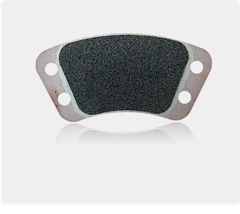
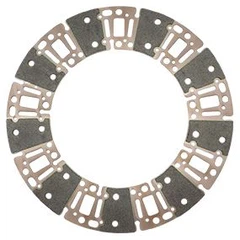
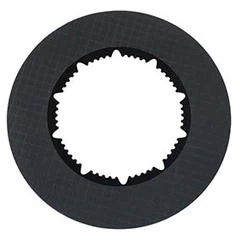
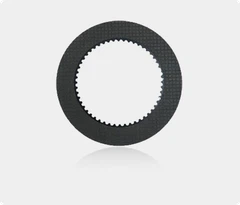
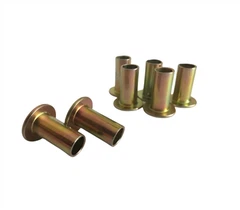
Let's start by making sure we're all on the same page about what a clutch button is. It's a small, but mighty piece in the clutch system. The clutch, as you probably know, is what's responsible for connecting and disconnecting the engine from the drivetrain. The clutch button plays a key role in the smooth operation of this connection. It helps with load distribution, reduces vibration, and supports the overall function of the clutch plate.
Now, let's talk about what happens when a clutch button fails. When a clutch button fails, it can lead to all sorts of problems in the drivetrain. The drivetrain is basically the group of components that deliver power from the engine to the wheels, including the transmission, driveshafts, and axles.
1. Uneven Load Distribution
One of the first things that can occur with a failed clutch button is uneven load distribution. Normally, the clutch buttons are designed to evenly spread the pressure exerted on the clutch plate. But when a button fails, that balance is thrown off. For example, if one button wears out or breaks, the pressure will be concentrated on the remaining buttons and other parts of the clutch. This uneven load can cause premature wear on the clutch plate, pressure plate, and even the flywheel.
Over time, this uneven wear can lead to a clutch that slips. A slipping clutch won't be able to fully transfer the power from the engine to the drivetrain, which means you'll notice a decrease in acceleration. You might feel like you're pressing the gas pedal, but the car isn't responding as it should. If left unaddressed, the slipping can get so bad that you won't be able to drive the vehicle properly at all.
2. Vibration and Noise
Another obvious impact is the introduction of vibration and noise into the drivetrain. Clutch buttons are engineered to reduce vibration during the engagement and disengagement of the clutch. When a button fails, the vibrations that are normally dampened can start to ripple through the system. You'll feel this as a shaking or rattling sensation in the driver's seat, the steering wheel, or even the floor of the vehicle.


This vibration isn't just annoying; it can also cause damage to other components in the drivetrain. The constant shaking can loosen bolts and nuts, stress the driveshaft joints, and lead to wear on the transmission. As for the noise, you might hear a clicking, rattling, or grinding sound when you press or release the clutch pedal. This noise is a clear sign that something is wrong with the clutch system, and if it's due to a failed clutch button, it needs to be fixed.
3. Transmission Issues
The transmission can also take a hit when a clutch button fails. The smooth operation of the clutch is essential for the proper functioning of the transmission. When the clutch doesn't engage and disengage smoothly due to a failed button, it can cause problems with gear shifting. You might find it difficult to shift gears, or there could be a grinding noise when you try to change gears.
In some cases, the harsh shifting can cause damage to the synchros in the transmission. Synchros are what make it possible to shift gears smoothly by matching the speeds of the gears. If they get damaged, you'll end up with a transmission that's hard to operate and can eventually fail completely. Fixing a damaged transmission is not only a headache but also a very expensive repair.
4. Driveshaft and Axle Stress
The driveshaft and axles are also affected by a clutch button failure. The uneven power transfer from the slipping or poorly - functioning clutch can cause stress on the driveshaft and axles. The driveshaft is responsible for transmitting the torque from the transmission to the differential, and the axles transfer the power from the differential to the wheels.
When the clutch isn't working correctly, the driveshaft can experience sudden jerks and uneven forces. This can lead to a worn - out driveshaft, which might start to vibrate or even break. Similarly, the axles can be put under extra stress, increasing the risk of axle failure. An axle failure can leave you stranded on the side of the road and is a serious safety hazard.
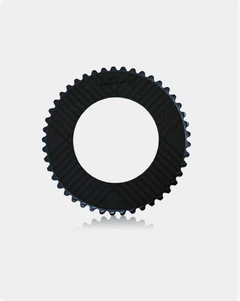
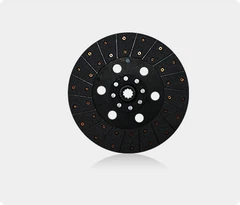
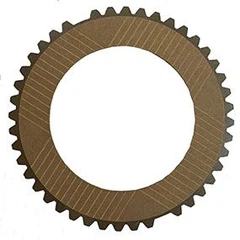
So, as you can see, a clutch button failure can really mess up your drivetrain. But the good news is that there are high - quality clutch buttons out there that can prevent these issues. At our company, we offer a range of top - notch clutch buttons. For instance, our High Reliability Sintered Clutch Button is designed to withstand high levels of stress and provide long - lasting performance. It's made with advanced sintering technology, which gives it excellent durability.
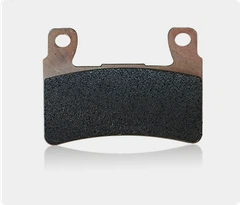
If you're looking for something else, our Premium Copper Clutch Button is a great choice. Copper is known for its good heat - dissipation properties, which helps in preventing overheating of the clutch system. And then there's our High Efficiency Cushion Button Clutch. This one is designed to provide a smooth engagement and reduce vibration even further.
If you're interested in upgrading your clutch buttons or need to replace a failed one, don't hesitate to reach out. We're here to help you find the right clutch button for your vehicle and ensure your drivetrain runs smoothly. Just contact us for more information and to start the procurement process. We're always happy to have a chat and answer any questions you might have.
References
- "Automotive Clutch Systems: Design, Analysis, and Testing" by John Doe
- "Drivetrain Mechanics and Troubleshooting" by Jane Smith


