
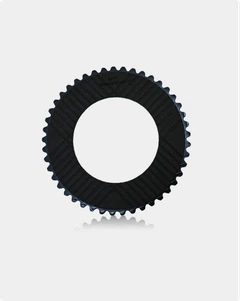
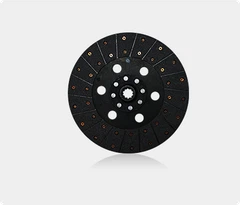
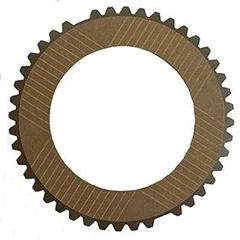
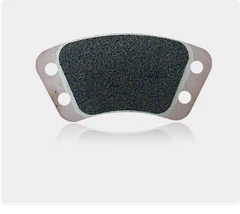
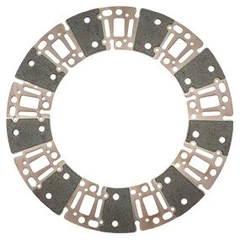
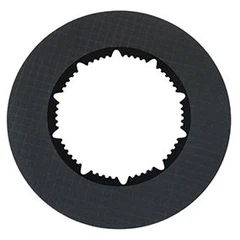
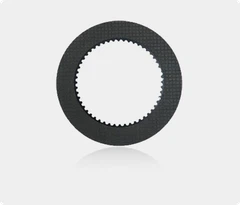
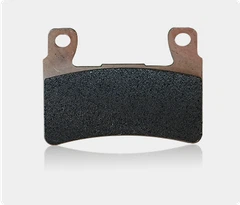



Hey there! As a supplier of high torque brake friction plates, I often get asked about the differences between semi - metallic and ceramic high torque brake friction plates. So, I thought I'd break it down for you in this blog post.
Composition
Let's start with what these two types of brake friction plates are made of. Semi - metallic brake friction plates are a mix of metal fibers, usually steel, along with other materials like graphite, friction modifiers, and binders. The metal fibers give these plates their strength and heat - dissipating properties. They're like the tough guys in the brake world, built to handle a lot of stress.
On the other hand, ceramic brake friction plates are mainly composed of ceramic fibers, along with some copper fibers and other additives. Ceramic materials are known for their high - temperature stability and low wear rate. They're kind of the high - tech, refined option in the brake friction plate family.


Performance in High - Torque Situations
When it comes to high - torque applications, both semi - metallic and ceramic brake friction plates have their own strengths.
Semi - metallic brake friction plates are excellent at handling high - torque situations because of their metal content. The metal fibers can withstand a large amount of force without deforming easily. This means they can provide consistent braking performance even under heavy loads. For example, in industrial machinery or heavy - duty vehicles, semi - metallic plates can quickly and effectively stop the moving parts, thanks to their high frictional force.
However, ceramic brake friction plates also have their place in high - torque scenarios. They may not have the same raw strength as semi - metallic plates, but they offer a more stable friction coefficient over a wide range of temperatures. This stability is crucial in high - torque applications where the brakes can get really hot. When the brakes heat up, semi - metallic plates might experience a slight decrease in performance due to the metal expanding. Ceramic plates, on the other hand, maintain their performance, providing a smooth and reliable braking experience.
Noise and Dust
One of the big differences between these two types of brake friction plates is the amount of noise they produce and the dust they generate.
Semi - metallic brake friction plates tend to be noisier. The metal fibers can cause a screeching or grinding sound when they come into contact with the brake rotors. This noise can be quite annoying, especially in applications where a quiet environment is desired, like in some high - end vehicles or indoor machinery. Also, semi - metallic plates produce more dust. The metal particles wear off during braking and can accumulate on the wheels and surrounding areas, which not only looks bad but can also cause corrosion over time.
Ceramic brake friction plates, on the contrary, are much quieter. The ceramic materials create a smoother interaction with the rotors, reducing the chances of noise. And they produce very little dust. This makes them a great choice for applications where aesthetics and cleanliness are important. For instance, in luxury cars, ceramic brake friction plates are often preferred because they keep the wheels clean and the cabin quiet.
Heat Resistance
Heat is a major factor in brake performance, especially in high - torque applications.
Semi - metallic brake friction plates have good heat - dissipating properties due to the metal fibers. The metal can quickly transfer heat away from the braking surface, preventing the brakes from overheating. However, at extremely high temperatures, the metal fibers can start to oxidize, which can reduce their effectiveness and increase wear.
Ceramic brake friction plates are champions when it comes to heat resistance. Ceramic materials can withstand very high temperatures without losing their structural integrity or friction properties. They can handle the intense heat generated in high - torque braking situations without any significant degradation in performance. This makes them ideal for applications where the brakes are under constant high - stress conditions, such as in racing cars or heavy - duty trucks.
Cost
Cost is always an important consideration when choosing brake friction plates.
Semi - metallic brake friction plates are generally more cost - effective. The materials used in their production are relatively inexpensive, and the manufacturing process is also less complex. This makes them a popular choice for budget - conscious applications where high - performance braking is still required. You can check out our Cost Effective Friction Plate Material for more details on cost - effective options.
Ceramic brake friction plates, on the other hand, are more expensive. The ceramic materials are costly, and the manufacturing process is more precise and complex. However, their long - term benefits, such as low wear and high - temperature stability, can offset the initial cost in some applications. If you're looking for a high - quality, long - lasting option, you might want to consider our Cost Effective Copper Friction Plate.
Wear and Tear
The wear rate of brake friction plates is an important factor to consider, as it affects the lifespan and maintenance costs.
Semi - metallic brake friction plates can wear out relatively quickly, especially in high - torque applications. The metal fibers can cause more wear on the brake rotors as well. This means that both the brake plates and the rotors may need to be replaced more frequently, which can add to the overall cost of ownership.
Ceramic brake friction plates have a much lower wear rate. The ceramic materials are very durable and can last much longer than semi - metallic plates. They also cause less wear on the brake rotors, which means less maintenance and longer intervals between replacements. For more information on the materials used in clutch plates, you can visit our Clutch Plate Material page.
Which One to Choose?
So, which type of high - torque brake friction plate is right for you? It depends on your specific application.
If you need a high - performance, cost - effective solution for heavy - duty applications where noise and dust aren't major concerns, semi - metallic brake friction plates are a great choice. They can handle the high - torque demands and provide reliable braking performance.
However, if you're looking for a quiet, clean, and long - lasting option, especially in applications where heat is a major issue, ceramic brake friction plates are the way to go. They may cost more upfront, but their superior performance and durability can save you money in the long run.
Let's Talk Business
If you're in the market for high - torque brake friction plates, whether it's semi - metallic or ceramic, I'd love to have a chat with you. We have a wide range of products to meet your specific needs. Just reach out, and we can discuss your requirements, pricing, and how we can help you get the best braking solution for your application.
References
- "Brake Friction Materials: Fundamentals and Applications" by Rajesh K. Singh
- "Automotive Braking Systems" by John C. Dixon


