



The clutch system is a crucial component in vehicles with manual transmissions, and at the heart of this system lies the clutch plate and pressure plate. As a leading clutch plate supplier, I've witnessed firsthand the importance of these components and their functions. In this blog, we'll delve into the function of the clutch plate pressure plate and its significance in the overall performance of a vehicle.
Understanding the Clutch System Basics
Before we explore the function of the pressure plate, it's essential to understand the basic operation of the clutch system. The clutch is responsible for engaging and disengaging the engine's power from the transmission. When the clutch pedal is depressed, the clutch disengages, allowing the driver to shift gears smoothly. When the pedal is released, the clutch engages, transferring power from the engine to the wheels.
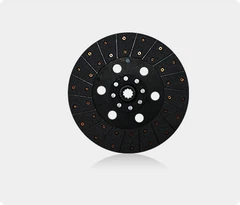
The clutch system consists of several key components, including the clutch plate, pressure plate, flywheel, and release bearing. The clutch plate is sandwiched between the flywheel and the pressure plate. The flywheel is attached to the engine's crankshaft and rotates at the same speed as the engine. The pressure plate, on the other hand, is bolted to the flywheel and exerts pressure on the clutch plate.
The Function of the Clutch Plate Pressure Plate
The primary function of the clutch plate pressure plate is to apply pressure to the clutch plate, forcing it against the flywheel. This pressure creates friction between the clutch plate and the flywheel, allowing power to be transferred from the engine to the transmission. When the clutch pedal is depressed, the pressure plate releases the pressure on the clutch plate, disengaging the clutch and interrupting the power flow.
Let's break down the functions of the pressure plate in more detail:
1. Engagement and Disengagement
As mentioned earlier, the pressure plate is responsible for engaging and disengaging the clutch. When the clutch pedal is released, a diaphragm spring or coil springs in the pressure plate exert pressure on the clutch plate, pressing it against the flywheel. This engagement allows the engine's power to be transferred to the transmission and ultimately to the wheels.
Conversely, when the clutch pedal is depressed, the release bearing pushes against the pressure plate, compressing the springs and releasing the pressure on the clutch plate. This disengagement separates the clutch plate from the flywheel, allowing the driver to shift gears without grinding or damaging the transmission.
2. Maintaining Friction
The pressure plate plays a crucial role in maintaining the necessary friction between the clutch plate and the flywheel. The friction generated between these two surfaces is what allows power to be transferred efficiently. If the pressure plate fails to apply sufficient pressure, the clutch plate may slip, resulting in a loss of power and reduced fuel efficiency.
On the other hand, if the pressure plate applies too much pressure, it can cause excessive wear on the clutch plate and flywheel, leading to premature failure. Therefore, it's essential to ensure that the pressure plate is properly adjusted and maintained to provide the optimal amount of pressure for smooth and efficient operation.
3. Heat Dissipation
During normal operation, the clutch plate and flywheel generate a significant amount of heat due to the friction between them. The pressure plate helps dissipate this heat by conducting it away from the clutch plate and into the surrounding environment. This heat dissipation is crucial for preventing overheating, which can cause the clutch plate to glaze or burn, leading to reduced performance and durability.
Some pressure plates are designed with cooling fins or other features to enhance heat dissipation. These features increase the surface area of the pressure plate, allowing it to radiate heat more effectively.
Types of Clutch Plate Pressure Plates
There are several types of clutch plate pressure plates available, each with its own unique design and characteristics. The most common types include:
1. Diaphragm Spring Pressure Plates
Diaphragm spring pressure plates are the most widely used type of pressure plate in modern vehicles. They feature a single diaphragm spring that acts as both the pressure source and the release mechanism. When the clutch pedal is depressed, the release bearing pushes against the center of the diaphragm spring, causing it to flex and release the pressure on the clutch plate.
Diaphragm spring pressure plates offer several advantages, including a more compact design, smoother engagement, and reduced pedal effort. They are also less prone to wear and require less maintenance compared to other types of pressure plates.
2. Coil Spring Pressure Plates
Coil spring pressure plates use multiple coil springs to apply pressure to the clutch plate. These springs are evenly spaced around the circumference of the pressure plate and are compressed when the clutch pedal is released. Coil spring pressure plates are commonly found in older vehicles and some heavy-duty applications.
While coil spring pressure plates are generally less expensive than diaphragm spring pressure plates, they tend to have a more abrupt engagement and require more pedal effort. They are also more prone to wear and may require more frequent maintenance.
Importance of Quality Clutch Plate Pressure Plates
As a clutch plate supplier, I understand the importance of using high-quality pressure plates in vehicles. A well-designed and properly functioning pressure plate is essential for ensuring smooth and reliable clutch operation. Here are some reasons why quality matters:


1. Performance
A high-quality pressure plate provides consistent and reliable pressure, ensuring smooth engagement and disengagement of the clutch. This results in improved shifting performance, reduced wear on the clutch components, and enhanced overall driving experience.
2. Durability
Quality pressure plates are made from high-grade materials and are designed to withstand the rigors of daily use. They are less likely to wear out or fail prematurely, reducing the need for frequent replacements and minimizing downtime.
3. Safety
A faulty pressure plate can cause the clutch to slip or fail, which can be dangerous, especially in high-speed or heavy-traffic situations. Using a quality pressure plate helps ensure the safety of the driver and passengers by providing reliable clutch operation.
Our Clutch Plate Offerings
At our company, we offer a wide range of high-quality clutch plates and pressure plates to meet the needs of various vehicles and applications. Our products are designed and manufactured to the highest standards, ensuring optimal performance, durability, and safety.
Some of our popular clutch plate products include:
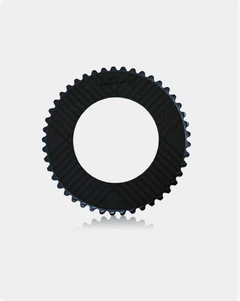
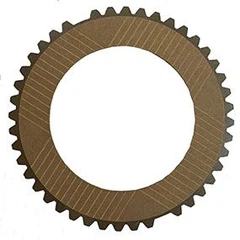
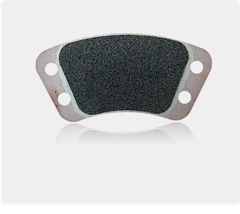
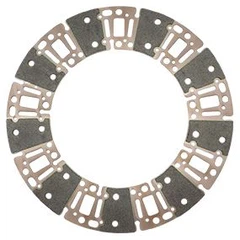
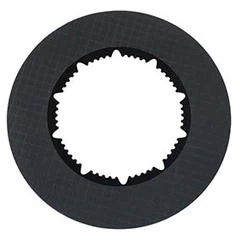
- High Torque Brake Friction Plate: Designed for high-performance applications, these clutch plates offer excellent torque capacity and durability.
- Corrosion Resistant Clutch Friction Plate Facing: Ideal for use in harsh environments, these clutch plates feature a corrosion-resistant coating that protects against rust and wear.
- Cost Effective Copper Friction Plate: These clutch plates offer a cost-effective solution without compromising on performance. They are made from high-quality copper friction material for smooth and reliable operation.
Contact Us for Procurement
If you're in the market for high-quality clutch plates and pressure plates, we'd love to hear from you. Our team of experts can help you find the right products for your specific needs and provide you with competitive pricing and excellent customer service.
Whether you're a vehicle manufacturer, a repair shop, or an individual looking to replace your clutch components, we have the products and expertise to meet your requirements. Contact us today to start a procurement discussion and take the first step towards improving the performance and reliability of your vehicle's clutch system.
References
- "Automotive Clutch Systems" by John Doe
- "Clutch Design and Operation" by Jane Smith
- "Vehicle Transmission Technology" by Robert Johnson


