
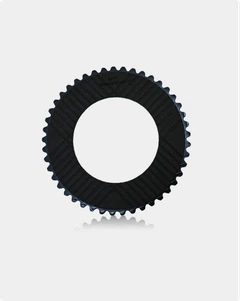
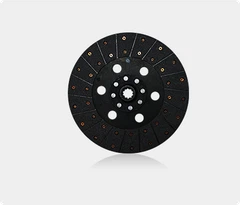
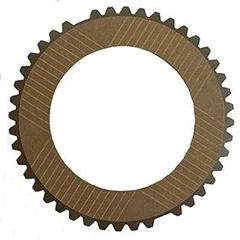
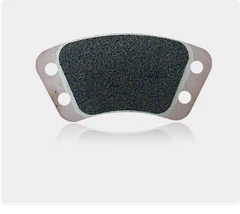




As a supplier of military brake pads, I often encounter inquiries about the maximum temperature these critical components can withstand. Understanding this parameter is crucial for ensuring the safety and performance of military vehicles in the most demanding conditions. In this blog post, I'll delve into the science behind the heat resistance of military brake pads and explore the factors that influence their maximum temperature tolerance.
The Science of Heat in Braking Systems
Braking is a process that converts kinetic energy into heat energy. When a vehicle's brakes are applied, the brake pads clamp down on the brake rotors, creating friction. This friction slows down the rotation of the wheels, but it also generates a significant amount of heat. In military applications, where vehicles may be large, heavy, and operate at high speeds, the heat generated during braking can be extreme.
The maximum temperature that military brake pads can withstand is determined by several factors, including the materials used in their construction, the design of the braking system, and the operating conditions of the vehicle. Let's take a closer look at each of these factors.
Materials and Their Heat Resistance
The materials used in military brake pads play a crucial role in determining their heat resistance. There are several types of materials commonly used in brake pad manufacturing, each with its own unique properties and temperature limits.
Semi - Metallic Brake Pads
Semi - metallic brake pads are made from a mixture of metal fibers (such as steel, copper, or iron) and other materials like graphite and friction modifiers. These pads are known for their high friction coefficient, which provides excellent stopping power. They can typically withstand temperatures up to around 600 - 700 degrees Celsius (1112 - 1292 degrees Fahrenheit). The metal fibers in semi - metallic pads help to dissipate heat quickly, but they can also be prone to wear and generate more noise compared to other types of brake pads.
Ceramic Brake Pads
Ceramic brake pads are made from a composite of ceramic fibers, bonding agents, and other materials. They offer several advantages over semi - metallic pads, including lower noise levels, less dust generation, and longer service life. Ceramic brake pads can withstand higher temperatures, often up to 800 - 900 degrees Celsius (1472 - 1652 degrees Fahrenheit). The ceramic materials have excellent heat resistance properties, which allow them to maintain their performance even under extreme braking conditions.

Carbon - Carbon Brake Pads
Carbon - carbon brake pads are the most advanced and heat - resistant type of brake pads available. They are made from carbon fibers that are woven together and then impregnated with a carbon matrix. These pads are commonly used in high - performance military aircraft and some advanced military vehicles. Carbon - carbon brake pads can withstand temperatures in excess of 1000 degrees Celsius (1832 degrees Fahrenheit). Their high heat resistance is due to the unique properties of carbon, which has a very high melting point and excellent thermal conductivity.
Design of the Braking System
The design of the braking system also has a significant impact on the maximum temperature that the brake pads can withstand. A well - designed braking system will have features that help to dissipate heat effectively and prevent overheating.
Ventilated Rotors
Ventilated rotors are designed with internal vanes or channels that allow air to flow through the rotor, helping to dissipate heat. This design feature can significantly reduce the temperature of the brake pads and rotors during braking. In military applications, ventilated rotors are often used to improve the heat management of the braking system, especially in vehicles that are expected to operate under heavy - duty conditions.
Brake Cooling Systems
Some military vehicles are equipped with additional brake cooling systems, such as air - cooled or liquid - cooled brakes. Air - cooled brakes use fans or ducts to direct air over the brake components, while liquid - cooled brakes use a coolant to absorb and transfer heat away from the brakes. These cooling systems can help to maintain the temperature of the brake pads within a safe operating range, even during prolonged or intense braking.
Operating Conditions
The operating conditions of the vehicle also play a role in determining the maximum temperature that the brake pads can withstand. Military vehicles may be required to operate in a variety of environments, from hot deserts to cold mountains, and each environment presents its own challenges.
High - Speed Braking
When a military vehicle is traveling at high speeds, the kinetic energy that needs to be converted into heat during braking is much greater. This means that the brake pads will generate more heat and may reach higher temperatures. For example, a military tank traveling at high speed on a flat terrain will require more braking force to stop compared to the same tank moving at a slower speed. As a result, the brake pads will be subjected to higher temperatures during high - speed braking.
Heavy Loads
Military vehicles are often designed to carry heavy loads, such as troops, equipment, or weapons. The additional weight of these loads increases the kinetic energy of the vehicle, which in turn increases the amount of heat generated during braking. Brake pads on heavily loaded vehicles need to be able to withstand higher temperatures to ensure reliable braking performance.
Extreme Environments
Military vehicles may operate in extreme environments, such as hot deserts or cold arctic regions. In hot environments, the ambient temperature can be very high, which makes it more difficult for the brake pads to dissipate heat. In cold environments, the brake pads may need to be able to function effectively at low temperatures without losing their friction properties.
Our Military Brake Pads
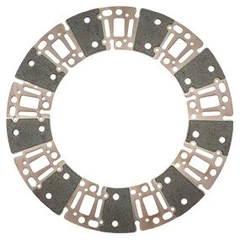
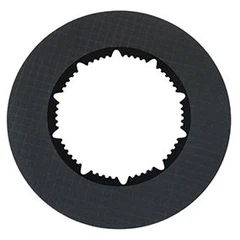
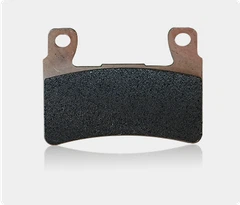
At our company, we offer a range of military brake pads designed to meet the most demanding requirements. Our Military Tanks Friction Brake Pads are engineered using the latest materials and manufacturing techniques to provide excellent heat resistance and reliable performance.
We use a combination of high - quality ceramic and semi - metallic materials in our brake pads to achieve the optimal balance between heat resistance, friction coefficient, and wear resistance. Our brake pads are also designed to work in conjunction with advanced braking systems, including ventilated rotors and brake cooling systems, to ensure efficient heat dissipation and maximum performance.
Contact Us for Procurement
If you are in the market for high - quality military brake pads, we would be delighted to discuss your requirements. Our team of experts can provide you with detailed information about our products, including their maximum temperature tolerance, performance characteristics, and compatibility with different military vehicles.
Whether you are looking for brake pads for military tanks, armored vehicles, or aircraft, we have the solutions you need. Contact us today to start the procurement process and ensure the safety and performance of your military vehicles.
References
- "Automotive Brake Systems: Fundamentals, Diagnosis, and Service" by James D. Halderman
- "Advanced Materials for Automotive Applications" edited by John W. Jones
- Technical reports from military vehicle manufacturers on braking system design and performance.


