
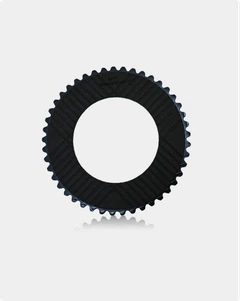
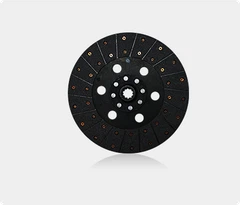
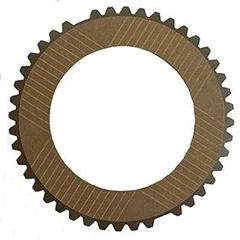
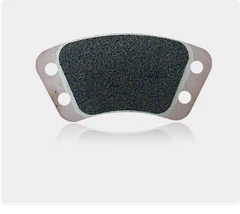
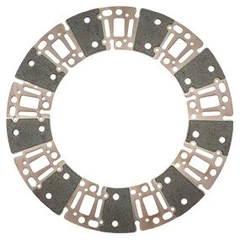
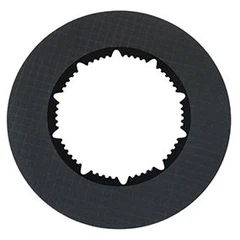
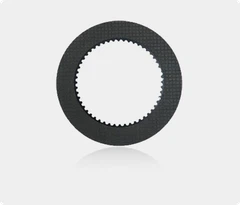
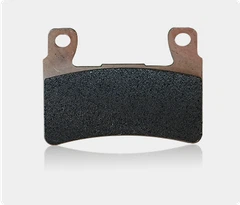



Clutch plates are a crucial component in the transmission system of various vehicles and machinery. They are responsible for transferring power from the engine to the transmission, enabling smooth gear changes and efficient operation. As a clutch plate supplier, I have extensive knowledge of the materials used in manufacturing these essential parts. In this blog, I will explore the different materials commonly used to make clutch plates, their properties, and their applications.
Organic Materials
Organic materials have been used in clutch plates for many years and are still widely employed today. These materials typically consist of a fibrous base, such as cellulose or aramid fibers, combined with a resin binder. The fibrous structure provides high friction coefficients, while the resin binder holds the fibers together and provides durability.
One of the main advantages of organic clutch plates is their smooth engagement. They offer a progressive increase in friction as the clutch is engaged, resulting in a comfortable driving experience. Organic materials also have good heat dissipation properties, which helps prevent overheating and reduces the risk of clutch fade.
However, organic clutch plates have some limitations. They are generally less durable than other materials and may wear out more quickly, especially under heavy use or in high-performance applications. They are also more sensitive to heat and can be damaged if exposed to excessive temperatures.
Ceramic Materials
Ceramic materials have gained popularity in recent years, particularly in high-performance and racing applications. These materials are made from a combination of ceramic particles and a metallic binder. Ceramic clutch plates offer several advantages over organic materials.
One of the key benefits of ceramic clutch plates is their high friction coefficient. They can provide significantly more grip than organic plates, allowing for faster and more precise gear changes. Ceramic materials also have excellent heat resistance, making them ideal for applications where high temperatures are generated, such as racing or heavy towing.
In addition, ceramic clutch plates are more durable than organic plates and can withstand higher levels of stress and wear. They are less likely to fade under extreme conditions, ensuring consistent performance over a longer period.
However, ceramic clutch plates also have some drawbacks. They can be more expensive than organic plates, which may make them less suitable for budget-conscious consumers. They also tend to have a harsher engagement feel, which may not be as comfortable for everyday driving.
Semi-Metallic Materials
Semi-metallic materials are a hybrid between organic and ceramic materials. They typically consist of a mixture of metallic fibers, such as steel or copper, with organic or ceramic particles and a resin binder. Semi-metallic clutch plates offer a balance of performance and durability.
One of the advantages of semi-metallic clutch plates is their good friction characteristics. They can provide a high level of grip while still offering a relatively smooth engagement. Semi-metallic materials also have better heat resistance than organic plates, making them suitable for a wider range of applications.
In addition, semi-metallic clutch plates are more durable than organic plates and can withstand higher levels of stress and wear. They are less likely to fade under heavy use and can provide consistent performance over a longer period.
However, semi-metallic clutch plates may produce more noise and dust than organic plates. They can also be more abrasive to the flywheel and pressure plate, which may require more frequent maintenance.
Carbon-Carbon Materials
Carbon-carbon materials are the most advanced and high-performance option for clutch plates. These materials are made from a combination of carbon fibers and a carbon matrix. Carbon-carbon clutch plates offer exceptional performance and durability.
One of the main advantages of carbon-carbon clutch plates is their extremely high friction coefficient. They can provide the highest level of grip of any clutch plate material, allowing for lightning-fast gear changes and maximum power transfer. Carbon-carbon materials also have excellent heat resistance and can withstand extremely high temperatures without fading or losing performance.
In addition, carbon-carbon clutch plates are very lightweight, which can improve the overall performance of the vehicle. They are also more durable than other materials and can last for a very long time, even under the most extreme conditions.
However, carbon-carbon clutch plates are also the most expensive option. They are typically only used in high-end racing and performance vehicles where the benefits justify the cost.
Copper-Based Materials
Copper-based materials are another option for clutch plates. These materials typically consist of a copper alloy matrix with embedded friction particles. Copper-based clutch plates offer several advantages.


One of the benefits of copper-based clutch plates is their good heat conductivity. Copper is an excellent conductor of heat, which helps to dissipate heat quickly and prevent overheating. This can improve the performance and durability of the clutch plate, especially in high-stress applications.
Copper-based clutch plates also have a relatively high friction coefficient and can provide good grip. They are often used in applications where a balance of performance and cost is required.
If you are interested in cost-effective copper friction plates, you can visit our website Cost Effective Copper Friction Plate.
Corrosion-Resistant Materials
In some applications, such as marine or industrial environments, corrosion resistance is an important consideration. Corrosion-resistant clutch plates are designed to withstand exposure to moisture, chemicals, and other corrosive elements.
These plates are typically made from materials that are resistant to rust and corrosion, such as stainless steel or special coatings. Corrosion-resistant clutch plates can provide reliable performance in harsh conditions and have a longer service life.
If you are looking for corrosion-resistant clutch friction plate facing, you can check out our product page Corrosion Resistant Clutch Friction Plate Facing.
Cost-Effective Friction Plate Materials
For many consumers, cost is an important factor when choosing a clutch plate. There are several cost-effective friction plate materials available that can provide good performance without breaking the bank.
These materials may include organic or semi-metallic materials that offer a balance of performance and affordability. If you are interested in cost-effective friction plate materials, you can visit our website Cost Effective Friction Plate Material.
Conclusion
In conclusion, there are several materials used to make clutch plates, each with its own unique properties and advantages. The choice of material depends on a variety of factors, including the application, performance requirements, budget, and personal preferences.
As a clutch plate supplier, we offer a wide range of clutch plates made from different materials to meet the needs of our customers. Whether you are looking for a smooth and comfortable driving experience, high-performance racing capabilities, or corrosion resistance, we have the right clutch plate for you.
If you have any questions or would like to discuss your specific requirements, please feel free to contact us. We are here to help you find the best clutch plate solution for your vehicle or machinery.
References
- Society of Automotive Engineers (SAE) standards on clutch materials
- Technical literature from clutch plate manufacturers
- Research papers on friction materials and clutch technology


