

As a key component in the automotive transmission system, the appearance design of the clutch not only affects the assembly efficiency, but also directly relates to durability and functionality. Understanding the appearance characteristics of the clutch component will help buyers and engineers to choose suitable parts more accurately. This article will analyze the appearance characteristics of the clutch component from the aspects of structure, material and surface treatment.
Structural design: compactness and functionality
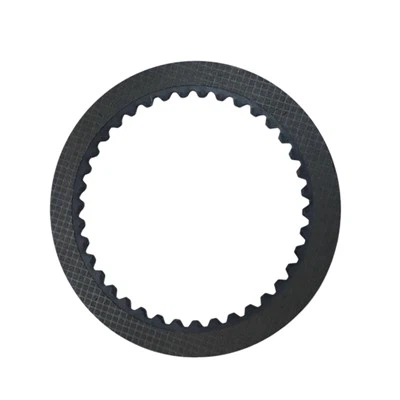
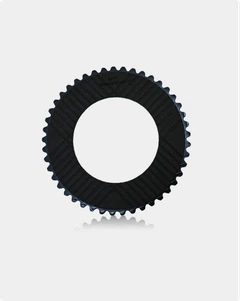
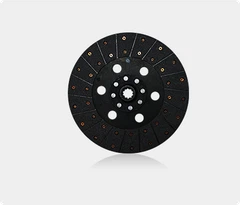
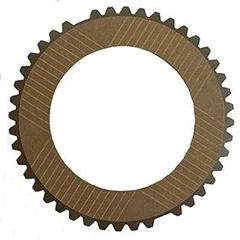
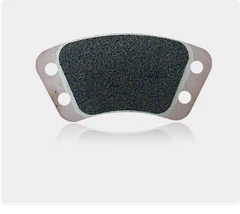
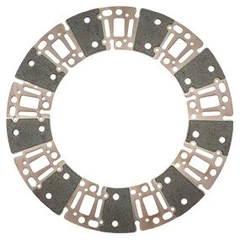
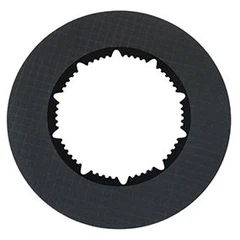
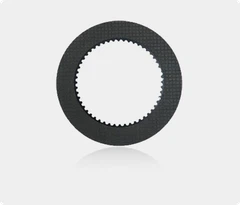
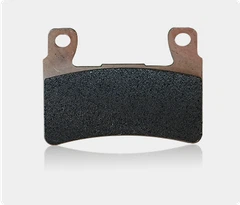
The clutch component is usually composed of a pressure plate, friction plate, release bearing and flywheel. From the appearance, the pressure plate is disc-shaped, with a flat surface and reinforcing ribs on the edge to enhance the structural strength. The friction plate has a multi-layer composite structure, usually black or dark gray, with regular grooves or textures on the surface, which is used to dissipate heat and enhance friction performance. The release bearing is mostly a metal shell wrapped with an internal ball or slider, with a smooth appearance, and some models have a dust cover to improve durability.
Material selection: a combination of lightweight and high strength
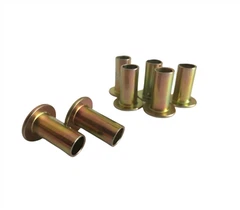
The appearance material of the clutch component directly affects its performance. The pressure plate and flywheel are mostly made of gray cast iron or aluminum alloy. The former has a moderate surface roughness, while the latter is smoother and lighter. Friction plates are usually made of copper-based or carbon-based composite materials, and the surface is specially treated to enhance wear resistance. The outer shell of the release bearing is mostly galvanized steel or stainless steel to prevent rust, and the internal rolling parts use high-precision steel balls or plastic sliders to ensure smooth operation.
Surface treatment: Rust prevention and aesthetics
The appearance treatment process of the clutch component is crucial to its service life. The surface of the pressure plate and flywheel is often sandblasted or phosphated to enhance the adhesion of the coating. Some high-end products also use electroplating or spraying anti-rust paint. The surface of the friction plate is coated with organic or ceramic coating to improve high temperature resistance. The outer shell of the release bearing is usually galvanized or sprayed, and the internal rolling parts may be chrome-plated or polished to reduce friction loss.
Summary
The appearance characteristics of the clutch component not only reflect its manufacturing process, but also directly related to its performance. When choosing, buyers should pay attention to its structural design, material and surface treatment details to ensure that the product meets the actual application requirements. With the advancement of automotive technology, the appearance design of the clutch component is also constantly being optimized, and in the future, more attention will be paid to lightweight and high efficiency.