

As a key component in mechanical transmission systems, clutches are widely used in automobiles, industrial equipment, and engineering machinery. Different types of clutch components have significant differences in structure, function, and application scenarios. Understanding these differences helps buyers and technical engineers choose the right product based on actual needs.
The core difference between friction clutches and electromagnetic clutches
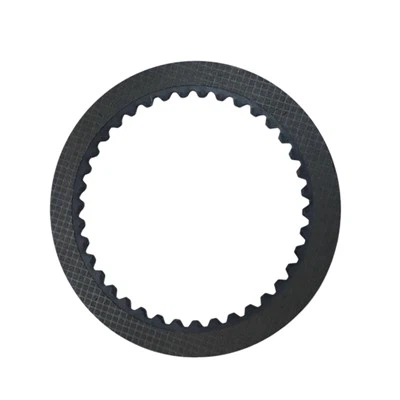
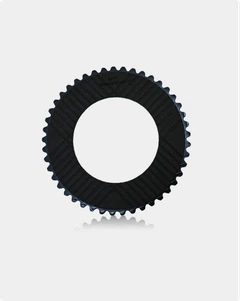
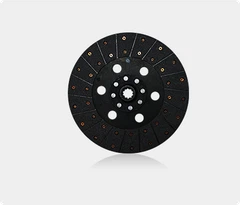
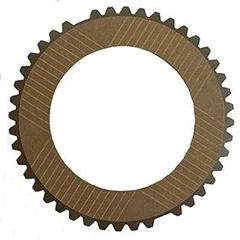
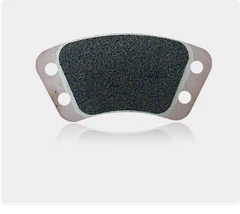
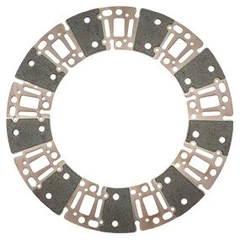
The friction clutch is the most common type, which transmits power through the contact between the friction plate and the flywheel. Its advantages are simple structure, low cost, and suitable for high torque transmission scenarios. However, the friction plate wears quickly and requires regular maintenance. In contrast, the electromagnetic clutch uses electromagnetic force to achieve power engagement and disengagement, has a fast response speed, and is suitable for frequent start-stop occasions. However, its disadvantage is that it is highly dependent on the power system and may cause overheating problems under high load.
Performance comparison between dry clutch and wet clutch
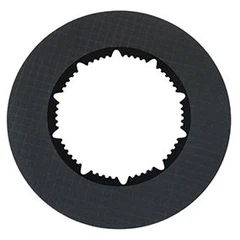
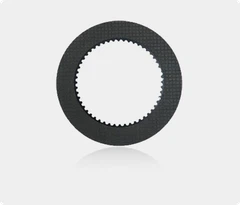
Dry clutches are usually installed between the engine and the gearbox, rely on air cooling, have a compact structure, and high transmission efficiency. However, due to the lack of lubrication, its friction plate wears quickly and is suitable for light vehicles or equipment. The wet clutch is immersed in oil, dissipating heat and lubricating through lubricating oil, with a longer lifespan, suitable for heavy machinery or continuous high-load conditions. However, the wet clutch is large in size and weight, and the cost is relatively high.
Material selection and durability of clutch components
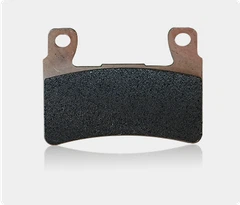
The material of the clutch friction plate directly affects its performance and lifespan. Traditional asbestos materials are gradually being eliminated due to environmental issues, and are replaced by organic composite materials, ceramic fibers or metal-based materials. Organic composite materials are suitable for ordinary working conditions, while ceramic fibers and metal-based materials can withstand higher temperatures and pressures and are often used in high-performance vehicles or industrial equipment. In addition, the material of the clutch pressure plate and flywheel will also affect the overall durability, and high-strength alloy steel has become the first choice for high-end applications.
Application scenarios determine the choice of clutch components
In the automotive field, manual transmission models usually use dry clutches, while automatic transmission models rely on wet multi-plate clutches. In industrial equipment, electromagnetic clutches are widely used in conveyor belts and machine tools due to their fast response characteristics. Engineering machinery prefers wet clutches to cope with high-intensity use under harsh conditions.
Understanding the differences in clutch components can help buyers choose the best solution based on actual needs, thereby improving equipment performance and reducing long-term maintenance costs.