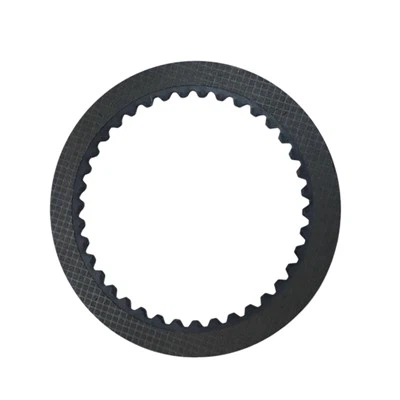
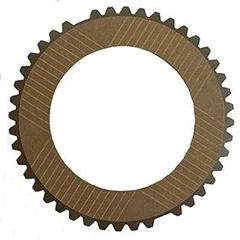
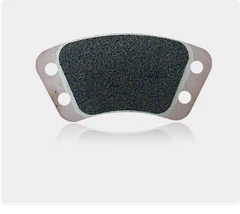
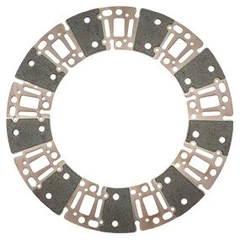
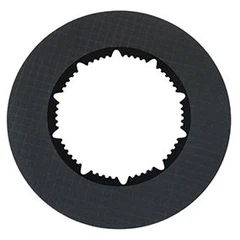
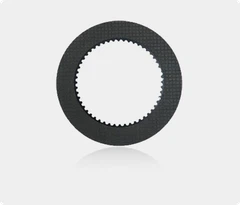
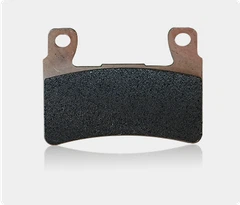


As a core component of the vehicle safety system, the production process of motorcycle brake pads directly affects the braking performance and service life. As the global motorcycle market continues to grow, understanding the production process of brake pads is of great significance to both suppliers and buyers. This article will detail the key manufacturing steps of motorcycle brake pads from raw materials to finished products.
Raw material preparation
The main raw materials of brake pads include friction materials, adhesives, fillers and steel backing. Friction materials are usually composed of fiber reinforcement materials (such as aramid, glass fiber), organic or inorganic fillers (such as graphite, mica) and resin matrix. These materials need to be mixed in a specific proportion to ensure that the brake pads have good wear resistance, thermal stability and braking performance. The steel backing serves as the support structure of the brake pad and is usually stamped from cold-rolled steel sheets.
Mixing and pressing
Raw material mixing is a key step in production. The friction material needs to be evenly stirred in a high-speed mixer to ensure that the components are evenly distributed. Subsequently, the mixed friction material is sent to a hot press and pressed under high temperature and high pressure conditions. The pressing temperature is usually between 150℃ and 200℃, and the pressure can reach tens of tons to ensure that the materials are tightly bonded and form a stable structure. The pressing time depends on the size of the brake pad and the material properties, and is generally a few minutes to more than ten minutes.
Curing and post-processing
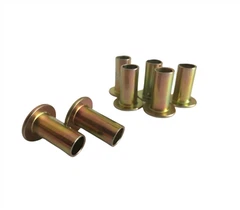
The pressed brake pad needs to enter the curing furnace for heat treatment to enhance the mechanical strength and heat resistance of the material. The curing temperature is usually between 180℃ and 250℃, and the time lasts for several hours. After curing, the brake pad needs to be ground to ensure uniform thickness and meet the design tolerance. Subsequently, the steel back and the friction material are fixed by riveting or bonding to form a complete brake pad assembly.
Quality inspection and packaging
The finished brake pads are subject to strict quality inspections, including friction coefficient tests, wear resistance tests, and thermal decay tests. Only products that pass the inspection can enter the packaging stage. The packaging usually uses moisture-proof materials to ensure that it is not affected by moisture during transportation.
The production process of motorcycle brake pads combines material science, machining and quality control technology, and each link needs to be precisely controlled to ensure the safety and reliability of the final product. As environmental regulations become increasingly stringent, low-metal and asbestos-free formulas are becoming an industry trend, driving continuous optimization of production processes.