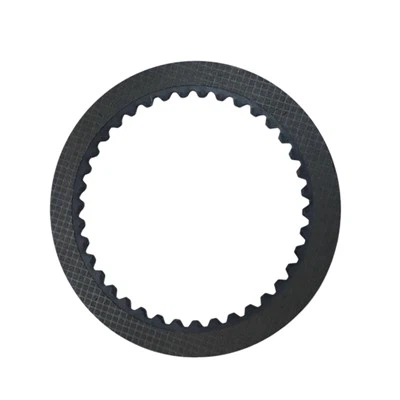
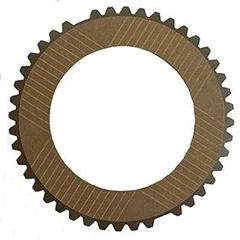
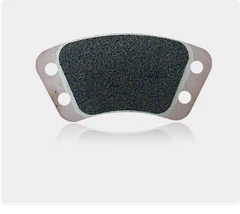
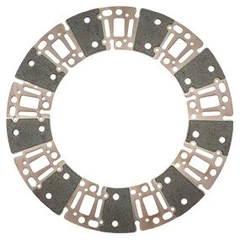
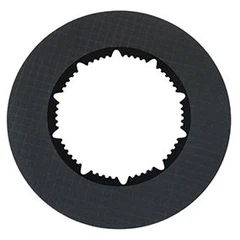
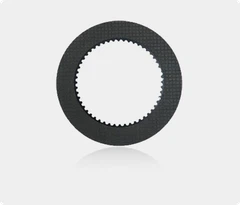
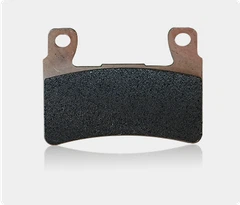


In the field of motorcycle manufacturing, the brake system has always been a core component related to riding safety. As a key component of the brake system, the design of the brake pad not only needs to meet basic functional requirements, but also needs to take into account multiple standards such as durability, thermal stability and environmental protection.The design concept of modern motorcycle brake pads is evolving towards intelligence, lightweight and sustainability to adapt to increasingly stringent market demands.
Safety is the first principle of design. Brake pads need to maintain a stable friction coefficient under extreme conditions to ensure that the vehicle can still provide reliable braking force when braking at high speed or continuously. To this end, engineers optimize the formulation of friction materials - such as using ceramic fibers and metal composite substrates - to balance friction performance and thermal decay. At the same time, the refined design of surface texture can reduce braking noise and improve grip performance in slippery road conditions.
The coordinated optimization of lightweight and durability is another major trend. Traditional metal backing plates are gradually replaced by high-strength composite materials, which not only reduces the unsprung mass but also extends the service life. Some high-end products introduce modular structural design, allowing users to replace the worn friction layer separately instead of the whole component, which significantly reduces maintenance costs. This "recyclable" thinking is also in line with the sustainable development direction of the global manufacturing industry.
Environmental regulations promote technological innovation. EU REACH and other standards strictly limit the content of heavy metals in brake pads, prompting companies to turn to asbestos-free and low-copper formulas. The application of bio-based resins and recycled fibers not only reduces carbon emissions in the production process, but also increases the biodegradability potential of products. In the future, as the cost of carbon-ceramic composites decreases, its popularity in the motorcycle field may become possible.
From material science to manufacturing technology, the design of motorcycle brake pads has always revolved around the core of "safer, more efficient and more environmentally friendly". With the popularization of electronic brake assist systems, brake pads will also be further integrated with vehicle control systems to provide riders with a more precise braking experience. Every breakthrough in this field is redefining the safety boundaries of two-wheel travel.