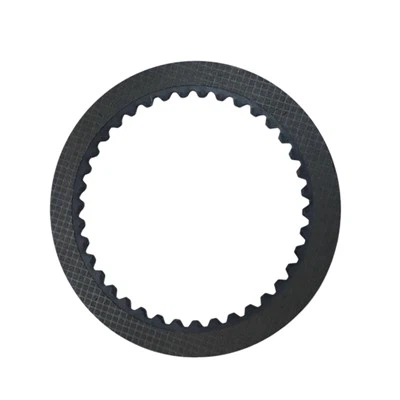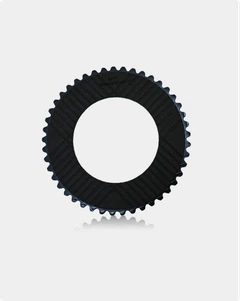
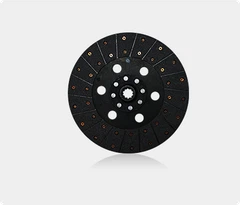
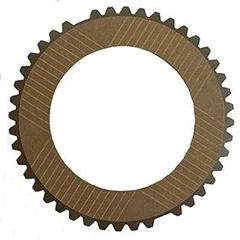


As a key component in mechanical transmission systems, clutches are widely used in automobiles, industrial equipment, and engineering machinery. Its core function is to achieve smooth gear shifting or power cut-off by separating or engaging power transmission. Clutch components can be classified in various ways, mainly based on structure, purpose, and working principle. Understanding these classifications helps buyers and technical engineers choose suitable products more accurately.
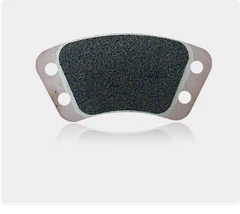
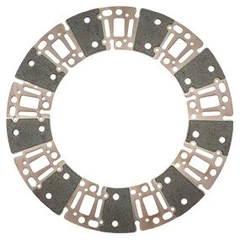
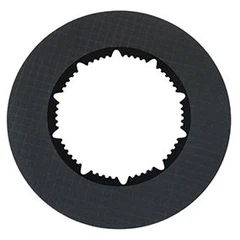
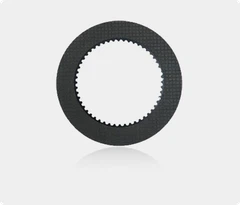
From a structural point of view, clutch components can be divided into two categories: dry clutches and wet clutches. Dry clutches usually consist of friction plates, pressure plates, and flywheels. They have a simple structure and good heat dissipation. They are mostly used in small vehicles and light machinery. Wet clutches are immersed in lubricating oil, and the friction plates and pressure plates work in the oil. They have the characteristics of high heat dissipation efficiency and strong wear resistance. They are suitable for high-load and frequent gear shifting occasions, such as heavy trucks and industrial gearboxes.
According to the purpose, clutch components can be divided into automotive clutches, industrial clutches, and engineering machinery clutches. Automobile clutches are mainly used in passenger cars and commercial vehicles, emphasizing lightweight and response speed; industrial clutches are used for power transmission between motors and loads, and need to have high reliability and long life; engineering machinery clutches need to adapt to harsh working conditions, such as high temperature and high dust environment, and usually adopt reinforced design and wear-resistant materials.
In terms of working principle, clutch components can be divided into friction clutches, electromagnetic clutches and hydraulic clutches. Friction clutches transmit power through contact between friction plates and flywheels or pressure plates, and are the most common type; electromagnetic clutches use electromagnetic force to attract friction plates to achieve rapid engagement and separation, and are suitable for automation equipment; hydraulic clutches transmit torque through hydraulic oil, and have the advantages of good buffering performance and low impact, and are often used in ships and large machinery.
In addition, clutch components can also be divided into manual clutches and automatic clutches according to the operation mode. Manual clutches require the driver to control through pedals, while automatic clutches are integrated in the transmission system to achieve stepless speed change or automatic shifting functions.
Understanding the classification of clutch components will help foreign trade practitioners recommend suitable products to customers more clearly. Whether in the field of automobile manufacturing, industrial equipment or construction machinery, choosing the right clutch type can significantly improve transmission efficiency and equipment life.