


As a key component in the mechanical transmission system, the clutch undertakes the core function of power transmission and disconnection. The design of its assembly structure directly affects the operating efficiency, stability and service life of the equipment. This article will analyze the typical structure of the clutch assembly from a professional perspective to help foreign trade practitioners and industry professionals to deeply understand this technical point.
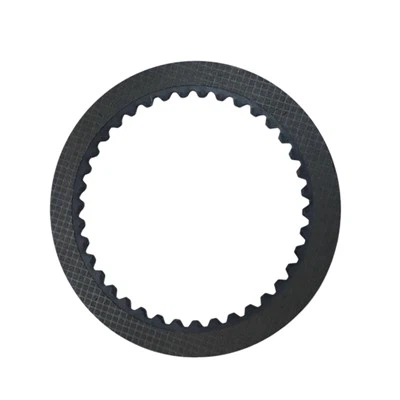
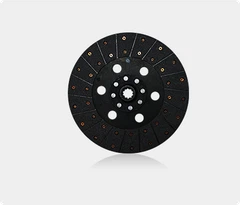
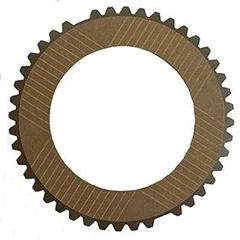
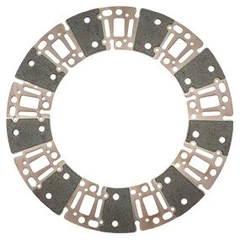
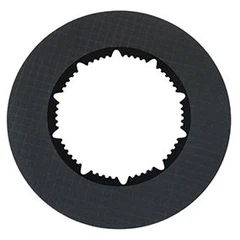
The basic structure of the clutch usually consists of four parts: the active part, the driven part, the clamping mechanism and the operating mechanism. The active part includes the flywheel and the clutch cover, which are connected to the engine crankshaft and are responsible for inputting power into the system. The driven part consists of a driven disc and a driven shaft, and its core is the driven disc, which realizes power transmission through the contact between the friction plate and the flywheel. The clamping mechanism generally uses a spring device to ensure that the friction plate fits tightly with the flywheel, thereby maintaining stable power transmission. The operating mechanism includes components such as pedals, release bearings and connecting rods, which are used to control the engagement and disengagement of the clutch.
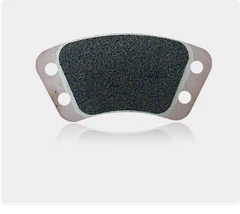
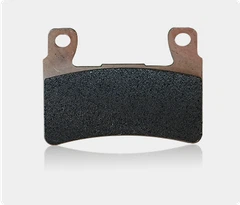
From the perspective of material selection, the performance of the clutch assembly is highly dependent on material properties. Friction plates usually use high-friction, high-temperature-resistant composite materials, such as copper-based or paper-based friction materials, to ensure stable performance in high-frequency engagement and disengagement. Pressure plates and flywheels are mostly made of high-strength cast iron or forged steel to withstand long-term mechanical stress. In recent years, with the development of lightweight trends, the application of aluminum alloys and composite materials in clutch housings has gradually become popular.
In terms of structural design, modern clutch components pay more attention to modularization and lightweight. For example, dual-plate clutches increase torque capacity by increasing friction surfaces and are suitable for heavy machinery; while dry clutches reduce maintenance costs by simplifying the lubrication system and are widely used in the passenger car field. In addition, the introduction of hydraulic control systems further improves the clutch response speed and operating accuracy.
Understanding the structure and technical characteristics of clutch components not only helps to optimize equipment selection, but also provides professional support for technical communication in international trade. With the continuous advancement of mechanical manufacturing technology, the design of clutch components is moving towards a more efficient and durable direction, continuously promoting innovation in the field of industrial transmission.