


In modern mechanical transmission system, clutch assembly plays a vital role. As the core component for connecting and cutting off power transmission, it is widely used in automobiles, industrial equipment, agricultural machinery and other fields, directly affecting the operating efficiency and service life of the equipment. This article will deeply analyze the structure, function and technical characteristics of clutch assembly to help practitioners have a more comprehensive understanding of this key component.
Basic structure of clutch assembly
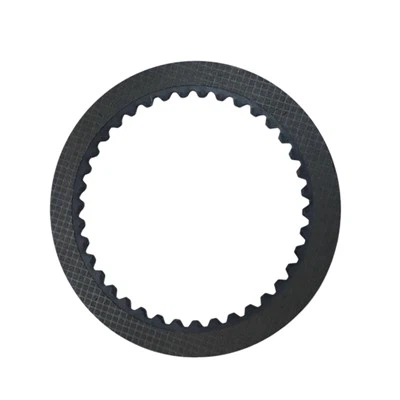
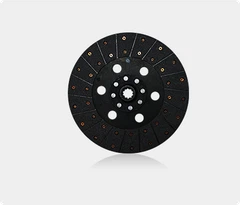
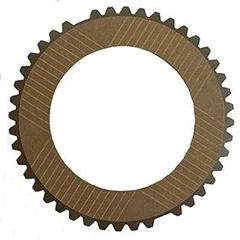
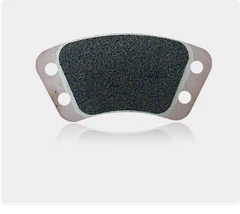
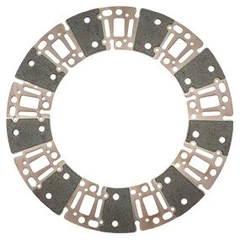
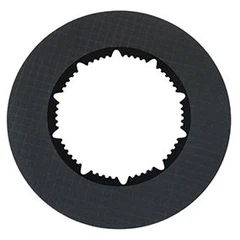
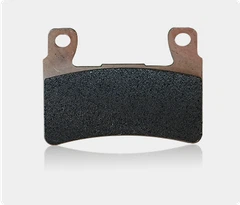
The clutch assembly usually consists of four parts: active part, driven part, clamping mechanism and operating mechanism. The active part includes flywheel and pressure plate, which are connected to the engine crankshaft; the driven part consists of driven plate (friction plate) and transmission input shaft, which is responsible for transmitting power. The clamping mechanism makes the pressure plate and driven plate in close contact through springs or hydraulic systems to ensure power transmission; the operating mechanism controls the separation and combination of the clutch through mechanical, hydraulic or pneumatic methods.
Core function of clutch assembly
The main function of the clutch assembly is to achieve smooth engagement and separation of power. During the operation of the vehicle or equipment, the driver or control system can achieve operations such as shifting, starting or emergency braking through the clutch. For example, in a car, when the driver presses the clutch pedal, the pressure plate separates from the driven plate, cutting off the power connection between the engine and the transmission, thereby achieving smooth gear shifting. In addition, the clutch can also buffer the impact load in the transmission system and protect gears and other precision parts from damage.
Technology Development Trend
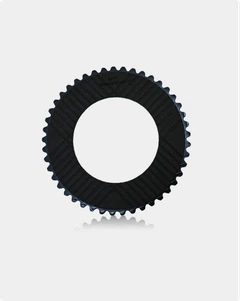
With the advancement of material science and manufacturing technology, clutch components are moving towards lightweight, high durability and intelligence. For example, some high-end clutches use carbon fiber reinforced composite materials to significantly improve wear resistance and heat dissipation performance; while electronically controlled clutches achieve precise control through sensors and actuators, which is suitable for industrial scenarios with a higher degree of automation. In addition, wet clutches are favored in heavy machinery and high-load applications due to their excellent heat dissipation performance.
As the "smart switch" of the mechanical transmission system, the performance of the clutch assembly directly affects the reliability and efficiency of the equipment. Understanding the technical characteristics and development trends of the clutch assembly will help companies optimize equipment design and enhance market competitiveness. In the future, with the integration of new energy and intelligent technology, clutch assemblies will continue to play an irreplaceable role in the field of mechanical engineering.