
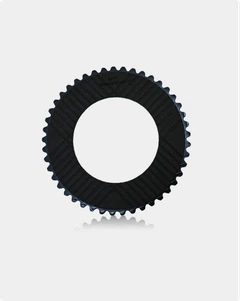
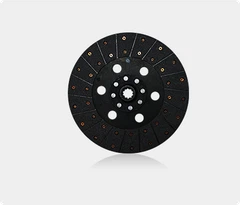
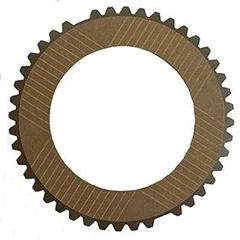
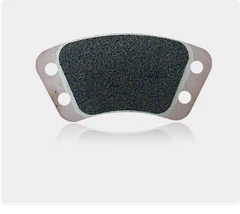
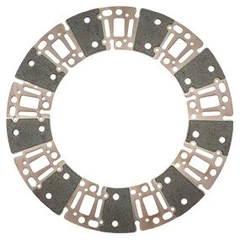
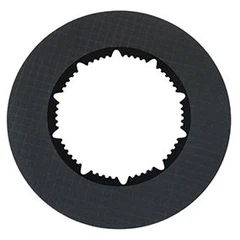
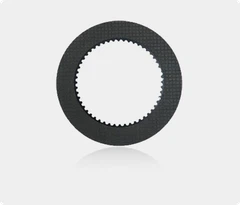
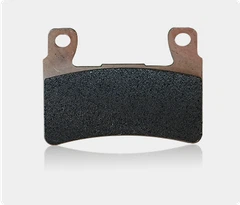



Hey there, racing enthusiasts! As a supplier of Wear Resistant Sintered Clutch Plates, I've been getting a ton of questions lately about whether these bad boys are suitable for racing cars. So, I thought I'd sit down and write this blog to share my thoughts and expertise on the matter.
First off, let's talk about what wear resistant sintered clutch plates are. These clutch plates are made through a sintering process, which involves compacting and heating metal powders to form a solid piece. This results in a clutch plate that's extremely durable and resistant to wear. The sintered material gives it excellent heat dissipation properties, which is crucial in high-performance applications like racing.


Now, when it comes to racing cars, the demands on the clutch system are way different than in regular street vehicles. Racing involves high speeds, rapid acceleration, and frequent shifting. The clutch has to handle a massive amount of torque and heat generated during these intense driving conditions.
One of the key advantages of wear resistant sintered clutch plates for racing cars is their exceptional durability. In a race, every second counts, and you can't afford to have your clutch fail because of excessive wear. Sintered clutch plates can withstand the repeated friction and high loads associated with racing, ensuring a longer lifespan compared to some other types of clutch plates.
Another great thing about these plates is their ability to handle heat. During a race, the clutch can get really hot, and if it can't dissipate that heat effectively, it can lead to reduced performance and even damage. Wear resistant sintered clutch plates have a high thermal conductivity, which means they can transfer heat away from the friction surfaces quickly. This helps to prevent overheating and maintain consistent clutch performance throughout the race.
Let's also talk about the friction characteristics of sintered clutch plates. They offer a high coefficient of friction, which means they can transmit more torque from the engine to the transmission. This is essential for racing cars, as it allows for quicker acceleration and better overall performance. The consistent friction performance of sintered clutch plates also makes them more predictable, giving the driver better control over the vehicle.
However, it's not all sunshine and rainbows. There are a few things to consider before deciding if wear resistant sintered clutch plates are right for your racing car. One potential drawback is that they can be a bit more expensive than some other types of clutch plates. But when you think about the long-term benefits, like reduced downtime due to clutch failures and improved performance, the investment can be well worth it.
Another thing is that sintered clutch plates can have a harsher engagement compared to some organic clutch plates. This means that the transition from disengaged to engaged can be a bit more abrupt. While this might take some getting used to for some drivers, it can also be an advantage in racing, as it allows for more precise control during quick shifts.
If you're interested in learning more about clutch plate materials in general, you can check out this page on Clutch Plate Material. It provides a great overview of the different types of materials used in clutch plates and their properties.
We also offer Corrosion Resistant Clutch Friction Plate Facing, which can be a great option for racing cars that are exposed to harsh environments or moisture.
Of course, if you're specifically interested in our Wear Resistant Sintered Clutch Plate, you can click on the link to learn more about its features and specifications.
In conclusion, wear resistant sintered clutch plates are definitely a viable option for racing cars. Their durability, heat resistance, and high friction performance make them well-suited for the demanding conditions of racing. While they do have some drawbacks, the benefits often outweigh the costs, especially for serious racers.
If you're thinking about upgrading your racing car's clutch system or are in the market for a new set of clutch plates, I'd love to have a chat with you. Whether you have questions, need more information, or are ready to place an order, don't hesitate to reach out. Let's work together to get your racing car performing at its best!
References
- Automotive Clutch Handbook, various industry publications
- Interviews with racing mechanics and drivers


