
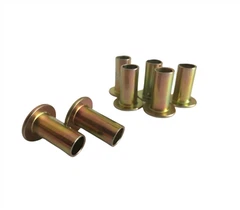



When it comes to plumbing applications, the choice of fasteners is crucial for ensuring the integrity and longevity of the system. One type of fastener that often comes into question is the button head solid rivet. As a supplier of Button Head Solid Rivets, I am frequently asked whether these rivets can be used in plumbing. In this blog post, I will explore the suitability of button head solid rivets for plumbing applications, considering factors such as material, strength, corrosion resistance, and installation.
Material Considerations
Button head solid rivets are available in a variety of materials, including steel, aluminum, copper, and stainless steel. The choice of material depends on the specific requirements of the plumbing application. For example, in freshwater plumbing systems, aluminum and copper rivets are often used due to their good corrosion resistance and lightweight properties. Aluminum is particularly suitable for applications where weight is a concern, such as in mobile homes or recreational vehicles. Copper, on the other hand, is known for its excellent thermal conductivity and is commonly used in hot water plumbing systems.
In saltwater or corrosive environments, stainless steel rivets are the preferred choice. Stainless steel offers superior corrosion resistance compared to other materials, making it ideal for plumbing applications in coastal areas or industrial settings. It is important to note that not all stainless steels are created equal, and the specific grade of stainless steel should be selected based on the severity of the corrosion environment.
Strength and Load-Bearing Capacity
Plumbing systems are subject to various forces, including water pressure, vibration, and thermal expansion. Therefore, the fasteners used in plumbing must have sufficient strength and load-bearing capacity to withstand these forces. Button head solid rivets are known for their high strength and reliability, making them suitable for a wide range of plumbing applications.
The strength of a rivet is determined by its material, diameter, and length. In general, larger diameter rivets have higher load-bearing capacities than smaller diameter rivets. When selecting button head solid rivets for plumbing, it is important to choose the appropriate size and material based on the specific requirements of the application. For example, in high-pressure plumbing systems, larger diameter rivets made of high-strength materials such as stainless steel may be required.
Corrosion Resistance
Corrosion is a major concern in plumbing systems, as it can lead to leaks, pipe failure, and other problems. Therefore, the fasteners used in plumbing must have good corrosion resistance to ensure the long-term integrity of the system. As mentioned earlier, the choice of material plays a crucial role in determining the corrosion resistance of button head solid rivets.
In addition to the material, the surface finish of the rivet can also affect its corrosion resistance. For example, rivets with a zinc coating or anodized finish offer better corrosion protection than uncoated rivets. It is important to choose rivets with a suitable surface finish based on the specific corrosion environment of the plumbing application.
Installation Considerations
Proper installation is essential for ensuring the performance and reliability of button head solid rivets in plumbing applications. The installation process typically involves drilling a hole in the materials to be joined, inserting the rivet into the hole, and then using a rivet gun to deform the rivet and create a secure joint.
When installing button head solid rivets in plumbing, it is important to follow the manufacturer's instructions carefully. This includes using the correct size and type of rivet, drilling the hole to the appropriate diameter, and applying the correct amount of force when setting the rivet. Improper installation can lead to a weak joint, which can result in leaks or other problems.
Advantages of Using Button Head Solid Rivets in Plumbing
There are several advantages to using button head solid rivets in plumbing applications. Firstly, they provide a strong and reliable joint that can withstand the forces and pressures associated with plumbing systems. Secondly, they are relatively easy to install, which can save time and labor costs. Thirdly, they are available in a variety of materials and sizes, allowing for flexibility in design and application. Finally, they offer good corrosion resistance, which helps to ensure the long-term integrity of the plumbing system.
Disadvantages of Using Button Head Solid Rivets in Plumbing
While button head solid rivets offer many advantages in plumbing applications, there are also some disadvantages to consider. Firstly, they require a hole to be drilled in the materials to be joined, which can be time-consuming and may require specialized tools. Secondly, they are not easily removable, which can make it difficult to make repairs or modifications to the plumbing system. Finally, they may not be suitable for all types of plumbing applications, such as those that require a watertight seal.
Conclusion
In conclusion, button head solid rivets can be used in plumbing applications, but the suitability of these rivets depends on several factors, including material, strength, corrosion resistance, and installation. As a supplier of Button Head Solid Rivets, I recommend carefully considering these factors when selecting rivets for plumbing applications. By choosing the right rivets and installing them properly, you can ensure the long-term integrity and reliability of your plumbing system.
If you are interested in purchasing button head solid rivets for your plumbing project, please feel free to contact us. Our team of experts can provide you with detailed information about our products and help you select the right rivets for your specific needs. We look forward to working with you to ensure the success of your plumbing project.

References
- ASME B18.1.1 - R2013, "General Requirements for Rivets and Rivet Sets"
- ASTM A153/A153M - 16, "Standard Specification for Zinc Coating (Hot-Dip) on Iron and Steel Hardware"
- ASTM A307 - 18, "Standard Specification for Carbon Steel Bolts and Studs, 60 000 psi Tensile Strength"
- ASTM A325 - 17, "Standard Specification for Structural Bolts, Steel, Heat Treated, 120/105 ksi Minimum Tensile Strength"
- ASTM A449 - 18, "Standard Specification for Quenched and Tempered Steel Bolts and Studs of Grade 105, 105 ksi Minimum Tensile Strength"


