
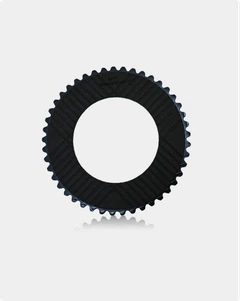
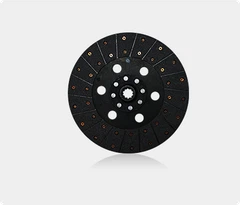
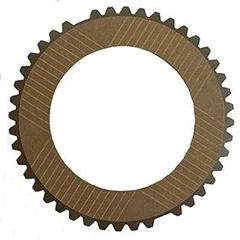
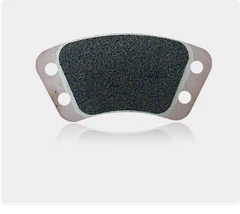
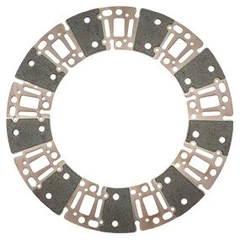
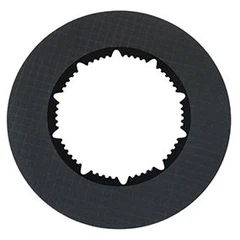
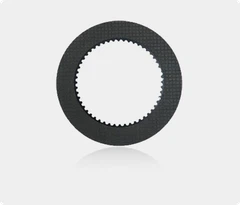
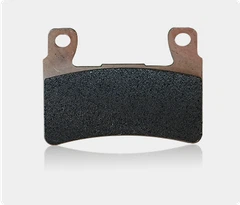



In the realm of commercial vehicle engineering, the choice of brake friction plates is a critical decision that directly impacts safety, performance, and operational efficiency. As a leading supplier of high torque brake friction plates, I am often asked whether these specialized components can be effectively used in commercial vehicles. In this blog post, I will delve into the technical aspects, benefits, and considerations of using high torque brake friction plates in commercial applications.
Understanding High Torque Brake Friction Plates
High torque brake friction plates are designed to withstand and transmit high levels of torque during the braking process. Torque, in the context of braking, refers to the rotational force that is generated when the brake pads or shoes come into contact with the brake disc or drum. Commercial vehicles, such as trucks, buses, and heavy machinery, often require higher torque capabilities due to their larger size, heavier loads, and higher speeds.
These friction plates are typically made from advanced materials that offer superior friction coefficients, heat resistance, and wear characteristics. The composition of high torque brake friction plates may include a combination of organic, semi-metallic, or ceramic materials, each with its own unique properties and advantages. For example, ceramic friction plates are known for their excellent heat dissipation, low noise levels, and long service life, making them a popular choice for high-performance applications.
Benefits of Using High Torque Brake Friction Plates in Commercial Vehicles
- Enhanced Braking Performance
One of the primary benefits of using high torque brake friction plates in commercial vehicles is the significant improvement in braking performance. These plates can generate higher levels of friction, allowing for shorter stopping distances and more precise control over the vehicle's speed. This is particularly important for commercial vehicles that carry heavy loads or operate in demanding environments, where reliable braking is essential for safety. - Increased Durability
Commercial vehicles are subject to frequent and intense braking, which can cause significant wear and tear on the brake components. High torque brake friction plates are designed to withstand these harsh conditions and offer increased durability compared to standard friction plates. They are less likely to experience premature wear, cracking, or fading, which can lead to reduced braking performance and increased maintenance costs. - Improved Heat Resistance
Braking generates a large amount of heat, especially during heavy or continuous use. High torque brake friction plates are engineered to dissipate heat more effectively, preventing overheating and maintaining consistent braking performance. This is crucial for commercial vehicles that operate in mountainous terrain or engage in frequent stop-and-go traffic, where excessive heat can cause brake fade and compromise safety. - Reduced Noise and Vibration
Another advantage of using high torque brake friction plates is the reduction in noise and vibration during braking. These plates are designed to minimize the generation of noise and vibration, providing a smoother and more comfortable driving experience for the operator. This is particularly important for commercial vehicles that are used for passenger transportation or in urban areas, where noise pollution can be a concern.
Considerations for Using High Torque Brake Friction Plates in Commercial Vehicles
While high torque brake friction plates offer numerous benefits, there are also some considerations that need to be taken into account before using them in commercial vehicles.
- Compatibility
It is essential to ensure that the high torque brake friction plates are compatible with the specific make and model of the commercial vehicle. Different vehicles have different braking systems, and the friction plates must be designed to fit properly and function effectively within these systems. It is recommended to consult with a qualified automotive technician or the vehicle manufacturer to determine the appropriate friction plates for your vehicle. - Cost
High torque brake friction plates are typically more expensive than standard friction plates due to their advanced materials and superior performance. While the initial cost may be higher, the long-term benefits of improved braking performance, increased durability, and reduced maintenance costs can offset the additional expense. It is important to consider the total cost of ownership when evaluating the cost-effectiveness of high torque brake friction plates. - Maintenance Requirements
Although high torque brake friction plates are designed to be more durable, they still require regular maintenance to ensure optimal performance. This includes inspecting the brake system regularly, replacing the friction plates when they reach the end of their service life, and following the manufacturer's recommended maintenance schedule. Proper maintenance is essential for maximizing the lifespan of the friction plates and ensuring the safety of the vehicle.
Applications of High Torque Brake Friction Plates in Commercial Vehicles
High torque brake friction plates are suitable for a wide range of commercial vehicle applications, including:
- Trucks and Buses
Trucks and buses are among the most common commercial vehicles that can benefit from the use of high torque brake friction plates. These vehicles are often required to carry heavy loads and operate over long distances, making reliable braking performance crucial. High torque brake friction plates can provide the necessary stopping power and durability to ensure the safety of the vehicle and its passengers. - Heavy Machinery
Heavy machinery, such as construction equipment, mining vehicles, and agricultural machinery, also require high-performance braking systems to operate safely and efficiently. High torque brake friction plates can withstand the extreme conditions and heavy loads associated with these applications, providing reliable braking performance and reducing the risk of accidents. - Trailers
Trailers are an important part of the commercial transportation industry, and they also require effective braking systems to ensure safe towing. High torque brake friction plates can be used in trailer braking systems to improve the overall braking performance of the trailer and the towing vehicle, reducing the risk of jackknifing or other accidents.
Related Products
In addition to high torque brake friction plates, our company also offers a range of other high-quality friction products for commercial vehicles, including Corrosion Resistant Clutch Friction Plate Facing, Wear Resistant Sintered Clutch Plate, and Cost Effective Friction Plate Material. These products are designed to meet the specific needs and requirements of commercial vehicle operators, providing reliable performance and long service life.


Conclusion
In conclusion, high torque brake friction plates can be effectively used in commercial vehicles to enhance braking performance, increase durability, and improve safety. While there are some considerations to take into account, such as compatibility, cost, and maintenance requirements, the benefits of using these plates far outweigh the potential drawbacks. As a leading supplier of high torque brake friction plates, we are committed to providing our customers with the highest quality products and services. If you are interested in learning more about our high torque brake friction plates or other friction products, please contact us to discuss your specific needs and requirements. We look forward to working with you to find the best solution for your commercial vehicle braking system.
References
- "Brake Friction Materials: A Review." Journal of Materials Science, vol. 45, no. 1, 2010, pp. 1-12.
- "High-Performance Brake Friction Materials for Commercial Vehicles." Automotive Engineering International, vol. 15, no. 3, 2017, pp. 45-52.
- "The Role of Friction Materials in Commercial Vehicle Braking Systems." SAE International Journal of Commercial Vehicles, vol. 10, no. 2, 2017, pp. 234-242.


