
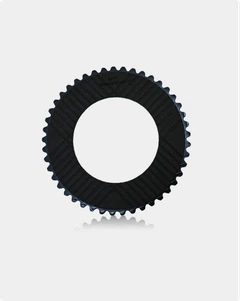
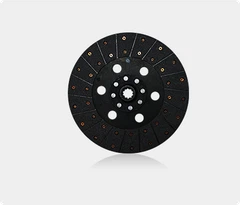
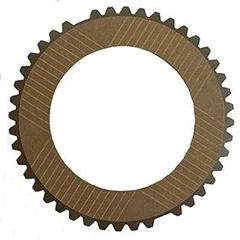
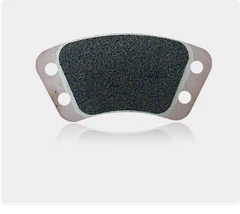
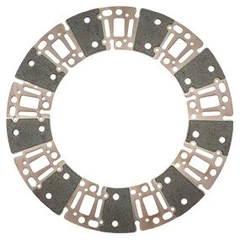
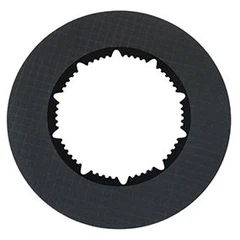
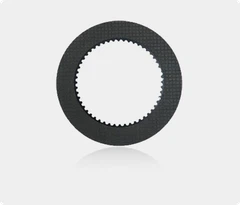
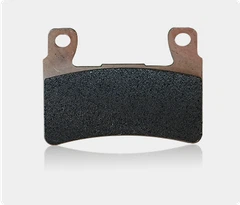



In the realm of automotive and industrial machinery, the interaction between a long-lasting friction clutch disc and the pressure plate is a critical aspect that determines the efficiency and durability of the clutch system. As a supplier of Long Lasting Friction Clutch Disc, I have witnessed firsthand the importance of this interaction and its impact on the overall performance of vehicles and equipment.


Understanding the Basics of a Clutch System
Before delving into the interaction between the clutch disc and the pressure plate, it is essential to understand the basic components and function of a clutch system. A clutch is a mechanical device that engages and disengages the power transmission between the engine and the transmission. It allows the driver to shift gears smoothly and control the power flow to the wheels.
The clutch system consists of several key components, including the flywheel, clutch disc, pressure plate, release bearing, and clutch fork. The flywheel is attached to the engine crankshaft and rotates at the same speed as the engine. The clutch disc is located between the flywheel and the pressure plate and is splined to the transmission input shaft. The pressure plate is bolted to the flywheel and uses springs to apply pressure on the clutch disc, forcing it against the flywheel. When the clutch pedal is depressed, the release bearing moves forward and disengages the pressure plate from the clutch disc, allowing the engine to rotate independently of the transmission.
The Role of the Long-Lasting Friction Clutch Disc
The long-lasting friction clutch disc is the heart of the clutch system. It is responsible for transferring the torque from the engine to the transmission by creating friction between the flywheel and the pressure plate. The friction material on the clutch disc is designed to withstand high temperatures, pressures, and wear, ensuring a reliable and efficient power transfer.
One of the key features of a long-lasting friction clutch disc is its ability to maintain a consistent coefficient of friction over time. This is achieved through the use of high-quality friction materials and advanced manufacturing processes. The friction material is carefully selected based on its friction characteristics, wear resistance, and heat dissipation properties. It is also designed to provide a smooth engagement and disengagement of the clutch, reducing driver fatigue and improving the overall driving experience.
Another important aspect of a long-lasting friction clutch disc is its durability. A well-designed clutch disc can withstand thousands of engagement and disengagement cycles without significant wear or damage. This is crucial for applications where the clutch is subjected to frequent use, such as in commercial vehicles, heavy equipment, and high-performance cars. The durability of the clutch disc is determined by factors such as the quality of the friction material, the design of the disc, and the manufacturing process.
The Interaction between the Clutch Disc and the Pressure Plate
The interaction between the long-lasting friction clutch disc and the pressure plate is a complex process that involves several physical and mechanical phenomena. When the clutch pedal is released, the pressure plate applies pressure on the clutch disc, forcing it against the flywheel. This creates a frictional force between the clutch disc and the flywheel, which transfers the torque from the engine to the transmission.
The amount of pressure applied by the pressure plate is crucial for the proper functioning of the clutch system. If the pressure is too low, the clutch disc may slip, resulting in a loss of power and reduced efficiency. On the other hand, if the pressure is too high, the clutch disc may wear out prematurely, leading to increased maintenance costs and downtime. Therefore, it is important to ensure that the pressure plate is properly adjusted and maintained to provide the optimal amount of pressure on the clutch disc.
In addition to the pressure, the surface finish and flatness of the pressure plate also play a significant role in the interaction between the clutch disc and the pressure plate. A smooth and flat pressure plate surface ensures a uniform distribution of pressure on the clutch disc, reducing the risk of uneven wear and slippage. Any irregularities or damage on the pressure plate surface can cause the clutch disc to wear unevenly, leading to premature failure.
Factors Affecting the Interaction
Several factors can affect the interaction between the long-lasting friction clutch disc and the pressure plate. These include:
- Temperature: High temperatures can cause the friction material on the clutch disc to degrade, reducing its coefficient of friction and increasing the risk of slippage. It is important to ensure that the clutch system is properly cooled to prevent overheating.
- Load: The amount of torque transmitted through the clutch system can also affect the interaction between the clutch disc and the pressure plate. Heavy loads can cause the clutch disc to wear out faster, especially if the clutch is not designed to handle the additional stress.
- Driving Style: Aggressive driving, such as frequent hard acceleration and braking, can put additional stress on the clutch system and increase the wear on the clutch disc. It is important to drive smoothly and avoid unnecessary clutch slipping to prolong the life of the clutch disc.
- Maintenance: Regular maintenance of the clutch system, including checking the clutch fluid level, adjusting the clutch pedal free play, and inspecting the clutch disc and pressure plate for wear, is essential to ensure the proper functioning of the clutch system and prolong the life of the clutch disc.
The Importance of Quality and Compatibility
When it comes to choosing a long-lasting friction clutch disc, quality and compatibility are of utmost importance. A high-quality clutch disc is designed to meet or exceed the original equipment manufacturer (OEM) specifications, ensuring a reliable and efficient performance. It is also important to choose a clutch disc that is compatible with the specific make and model of the vehicle or equipment. Using an incompatible clutch disc can result in poor performance, premature wear, and even damage to the clutch system.
As a supplier of Long Lasting Friction Clutch Disc, we understand the importance of quality and compatibility. We offer a wide range of clutch discs that are designed to meet the needs of different applications and vehicle types. Our clutch discs are made from high-quality materials and are manufactured using advanced processes to ensure a consistent and reliable performance. We also provide technical support and assistance to help our customers choose the right clutch disc for their specific needs.
Conclusion
The interaction between a long-lasting friction clutch disc and the pressure plate is a critical aspect of the clutch system. It determines the efficiency, durability, and performance of the clutch, which in turn affects the overall operation of the vehicle or equipment. By understanding the role of the clutch disc, the interaction between the clutch disc and the pressure plate, and the factors that can affect this interaction, you can make an informed decision when choosing a clutch disc for your application.
If you are in the market for a high-quality Long Lasting Friction Clutch Disc, we invite you to contact us for more information. Our team of experts is ready to assist you in finding the right clutch disc for your needs and provide you with the support and service you deserve. Whether you are a professional mechanic, a vehicle owner, or an equipment operator, we are committed to helping you achieve the best performance and reliability from your clutch system.
References
- "Automotive Clutch Systems: Design, Analysis, and Testing" by D. Crolla and M. Crolla
- "Fundamentals of Vehicle Dynamics" by Thomas D. Gillespie
- "Clutch Design and Analysis" by SAE International


