
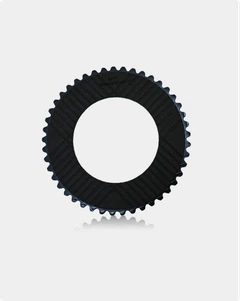
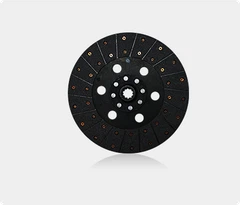
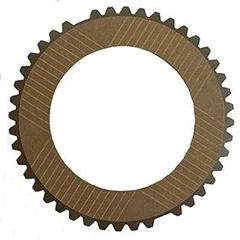
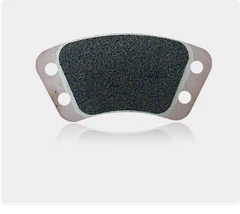




Hey there! As an OEM accessories supplier, I often get asked about how to properly dispose of old OEM accessories. It's a crucial topic, not just for environmental reasons but also for safety and regulatory compliance. So, let's dive right into it and explore the best ways to handle those old parts.
First off, why is proper disposal so important? Well, a lot of OEM accessories are made from materials that can be harmful to the environment if not disposed of correctly. Metals, plastics, and chemicals in these parts can leach into the soil and water, causing pollution. Plus, some old accessories might contain hazardous substances like lead or mercury, which are a big no - no for the ecosystem.
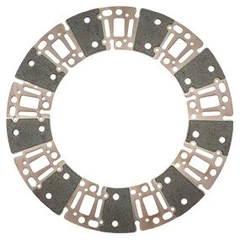
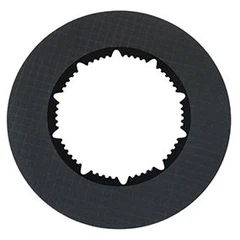
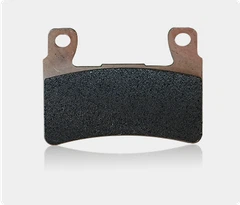
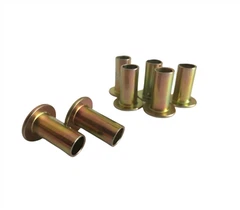
One of the first things you should do is assess the condition of the old OEM accessories. Are they still in working condition? If so, they might have some value. You could consider selling them as used parts. There are plenty of repair shops and DIY enthusiasts who are always on the lookout for affordable, pre - owned OEM accessories. For example, if you have an old Spacer with Molybdenium Coating 1674668M3, and it's still in good shape, someone out there might be interested in buying it. You can list these items on online marketplaces or reach out to local repair businesses.
But what if the accessories are beyond repair? That's when recycling comes into play. Recycling is a great way to give these old parts a new life. Many metals used in OEM accessories, such as aluminum, steel, and copper, can be melted down and reused to make new products. Recycling these metals not only conserves natural resources but also reduces the energy needed to produce new metal.
To recycle your old OEM accessories, start by contacting local recycling facilities. Look for ones that specialize in electronic or industrial waste, as they'll be better equipped to handle the specific materials in your accessories. Some larger cities even have recycling programs specifically for OEM parts. Before sending your parts off, it's a good idea to separate different types of materials. For example, take out any plastic components from metal ones. This makes the recycling process more efficient.


Another option is to return the old accessories to the manufacturer or supplier. Some OEMs have take - back programs in place. They'll collect the old parts and ensure they're recycled or disposed of properly. This is a win - win situation. It helps the environment, and it also shows that the manufacturer is committed to sustainability. If you're an OEM accessories supplier like me, you might want to consider setting up your own take - back program. It can be a great selling point for your customers, as it gives them a hassle - free way to get rid of old parts.
Now, let's talk about the legal aspects. There are regulations in place regarding the disposal of certain types of OEM accessories, especially those that contain hazardous materials. For example, electronic waste often has strict disposal rules to prevent the release of toxic substances. Make sure you're aware of the local, state, and federal laws related to waste disposal. Failing to comply with these regulations can result in hefty fines. So, do your research and make sure you're following the rules.
If you're dealing with a large quantity of old OEM accessories, you might want to hire a professional waste management company. These companies have the expertise and equipment to handle large - scale disposal. They'll ensure that all the parts are sorted, recycled, or disposed of in an environmentally friendly and legal way. It might cost you a bit, but it's worth it for the peace of mind and the proper handling of your waste.
In addition to the environmental and legal reasons, proper disposal of old OEM accessories can also have a positive impact on your business. Customers are becoming more environmentally conscious, and they're more likely to do business with companies that are committed to sustainable practices. By showing that you take responsibility for the end - of - life of your products, you can build a better reputation and attract more customers.
Let's take a closer look at the different types of OEM accessories and how to dispose of them.
Electronic Accessories
Electronic OEM accessories, like circuit boards and sensors, often contain precious metals as well as hazardous substances. Recycling these parts is crucial. You can find specialized e - waste recyclers who will extract the valuable metals and safely dispose of the rest. Make sure to remove any batteries before sending them for recycling, as batteries need to be disposed of separately.
Plastic Accessories
Plastic OEM accessories can be recycled, but it depends on the type of plastic. Some plastics are easier to recycle than others. Look for recycling facilities that accept the specific type of plastic your accessories are made from. You can usually find this information on the plastic itself, as it's often marked with a recycling symbol and a number.
Metal Accessories
As mentioned earlier, metal accessories are great candidates for recycling. You can either take them to a local scrap yard or a recycling facility that deals with metal waste. They'll pay you for the weight of the metal, which can offset some of the costs associated with disposal.
Rubber Accessories
Rubber OEM accessories can also be recycled. They can be ground up and used to make new rubber products, such as mats or tires. Check with local recycling centers to see if they accept rubber waste.
In conclusion, there are several ways to dispose of old OEM accessories, and it's important to choose the right method based on the condition of the parts and the materials they're made of. Whether it's selling, recycling, returning to the manufacturer, or hiring a waste management company, each option has its own benefits.
If you're in the market for new OEM accessories or have any questions about our products, feel free to reach out. We're always here to help you find the right solutions for your needs. Let's work together to make the world a more sustainable place while keeping your business running smoothly.
References
- Environmental Protection Agency's guidelines on waste disposal
- Local waste management regulations


