
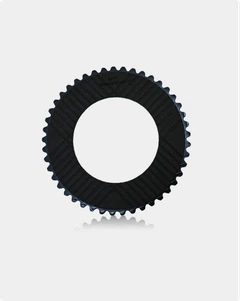
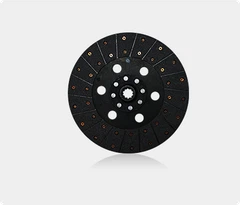
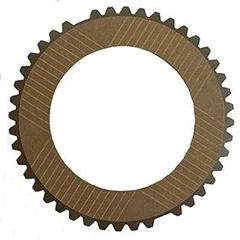
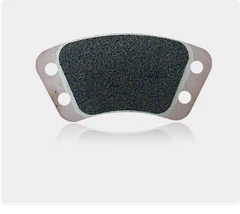
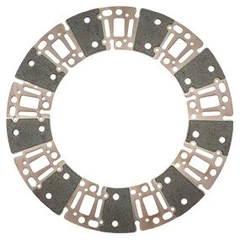
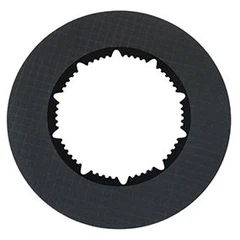
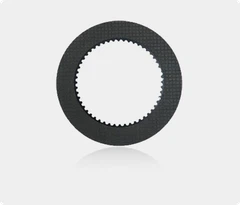
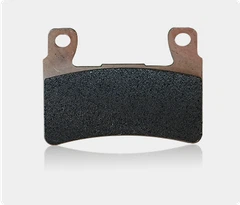



When it comes to daily driving, the choice of friction material for OEM clutch discs is crucial. As an OEM clutch disc supplier, I've witnessed firsthand the impact that different friction materials can have on a vehicle's performance, durability, and overall driving experience. In this blog, I'll explore the various friction materials available for daily driving OEM clutch discs and help you determine which one is the best fit for your needs.
Understanding the Role of Friction Materials in Clutch Discs
Before delving into the specific friction materials, it's important to understand their role in clutch discs. The friction material is the component that comes into contact with the flywheel and pressure plate, creating the necessary friction to transfer power from the engine to the transmission. A good friction material should provide smooth engagement, high torque capacity, and long wear life.
Common Friction Materials for OEM Clutch Discs
There are several types of friction materials commonly used in OEM clutch discs, each with its own unique properties and advantages. Let's take a closer look at some of the most popular options:


Organic Friction Materials
Organic friction materials are the most widely used type in OEM clutch discs for daily driving. They are typically made from a combination of fibers, such as cellulose, aramid, and glass, bonded together with a resin. Organic friction materials offer several benefits, including:
- Smooth Engagement: Organic friction materials provide a smooth and gradual engagement, making them ideal for daily driving. This helps to reduce wear and tear on the clutch components and provides a more comfortable driving experience.
- Low Noise and Vibration: Organic friction materials are known for their quiet operation and low vibration levels. This is especially important for daily driving, as it helps to reduce driver fatigue and improve overall comfort.
- Good Heat Dissipation: Organic friction materials have good heat dissipation properties, which helps to prevent overheating and premature wear. This is particularly important in stop-and-go traffic or when towing heavy loads.
- Affordability: Organic friction materials are generally more affordable than other types of friction materials, making them a popular choice for OEM clutch discs.
However, organic friction materials also have some limitations. They are not as durable as some other types of friction materials and may require more frequent replacement. They also have a lower torque capacity, which may not be suitable for high-performance applications.
Ceramic Friction Materials
Ceramic friction materials are a popular choice for high-performance and heavy-duty applications. They are typically made from a combination of ceramic fibers and a binder, and offer several advantages over organic friction materials, including:
- High Torque Capacity: Ceramic friction materials have a higher torque capacity than organic friction materials, making them suitable for high-performance engines and heavy-duty applications.
- Excellent Heat Resistance: Ceramic friction materials have excellent heat resistance properties, which allows them to withstand high temperatures without fading or losing their friction characteristics. This is particularly important in high-performance driving or when towing heavy loads.
- Long Wear Life: Ceramic friction materials are more durable than organic friction materials and can last up to three times longer. This makes them a cost-effective choice in the long run, especially for vehicles that are used frequently or in demanding conditions.
However, ceramic friction materials also have some drawbacks. They are more expensive than organic friction materials and can be more difficult to engage smoothly. They also generate more noise and vibration than organic friction materials, which may not be suitable for daily driving.
Semi-Metallic Friction Materials
Semi-metallic friction materials are a hybrid of organic and metallic friction materials. They are typically made from a combination of metal fibers, such as copper, steel, or brass, and organic fibers, bonded together with a resin. Semi-metallic friction materials offer a balance of performance and durability, and are a popular choice for OEM clutch discs in a wide range of applications, including daily driving, high-performance, and heavy-duty.
- Good Torque Capacity: Semi-metallic friction materials have a higher torque capacity than organic friction materials, making them suitable for a wide range of engines and applications.
- Improved Heat Resistance: Semi-metallic friction materials have better heat resistance properties than organic friction materials, which helps to prevent overheating and premature wear. This is particularly important in high-performance driving or when towing heavy loads.
- Long Wear Life: Semi-metallic friction materials are more durable than organic friction materials and can last up to twice as long. This makes them a cost-effective choice in the long run, especially for vehicles that are used frequently or in demanding conditions.
However, semi-metallic friction materials also have some limitations. They can generate more noise and vibration than organic friction materials, and may not provide as smooth an engagement. They are also more expensive than organic friction materials.
Choosing the Best Friction Material for Your Daily Driving OEM Clutch Disc
When choosing the best friction material for your daily driving OEM clutch disc, there are several factors to consider, including:
- Driving Style: If you have a smooth and gentle driving style, an organic friction material may be the best choice for you. If you have a more aggressive driving style or frequently tow heavy loads, a ceramic or semi-metallic friction material may be more suitable.
- Vehicle Type: The type of vehicle you drive can also affect your choice of friction material. For example, a high-performance sports car may require a ceramic or semi-metallic friction material, while a daily commuter car may be better suited for an organic friction material.
- Budget: The cost of the friction material is also an important consideration. Organic friction materials are generally the most affordable option, while ceramic and semi-metallic friction materials are more expensive.
At our company, we offer a wide range of OEM clutch discs with different friction materials to meet the needs of our customers. Our Long Lasting Friction Clutch Disc is made with high-quality organic friction material for smooth engagement and long wear life. Our Professional Clutch Disc Assy is designed for high-performance applications and features a semi-metallic friction material for improved torque capacity and heat resistance. And our High Performance Clutch Disc is made with ceramic friction material for maximum performance and durability.
Conclusion
Choosing the best friction material for your daily driving OEM clutch disc is an important decision that can have a significant impact on your vehicle's performance, durability, and overall driving experience. By considering your driving style, vehicle type, and budget, you can select the friction material that is best suited for your needs. At our company, we are committed to providing our customers with high-quality OEM clutch discs that are designed to meet the highest standards of performance and reliability. If you have any questions or need help choosing the right clutch disc for your vehicle, please don't hesitate to contact us. We look forward to working with you to find the perfect solution for your needs.
References
- "Clutch Friction Materials: A Comprehensive Guide." Clutch Solutions Magazine, Vol. 10, No. 2, 2023.
- "The Science of Friction Materials in Clutch Discs." Automotive Engineering Journal, Vol. 45, No. 3, 2022.
- "Choosing the Right Friction Material for Your Clutch." Car and Driver Magazine, Vol. 32, No. 5, 2021.


