



When it comes to the heart of a vehicle's transmission system, clutch plates play a pivotal role. As a clutch plate supplier, I've witnessed firsthand the diverse needs of our customers and the importance of understanding the differences between wet and dry clutch plates. In this blog post, I'll delve into the intricacies of these two types of clutch plates, exploring their design, performance, and applications.
Design and Construction
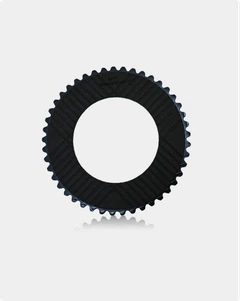
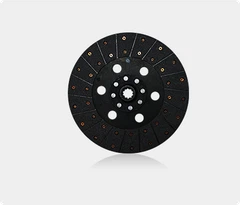
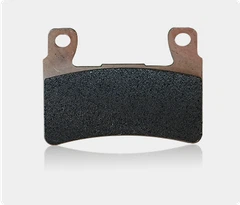
The most fundamental difference between wet and dry clutch plates lies in their design and the environment in which they operate. A dry clutch plate is, as the name suggests, designed to operate without any lubrication. It consists of a friction material bonded to a metal plate, which is then pressed against another plate to transfer power from the engine to the transmission. The friction material is typically made from organic compounds, ceramics, or semi-metallic materials, each offering different levels of friction and wear resistance.
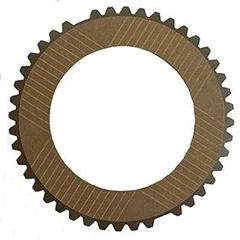
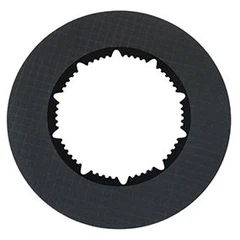
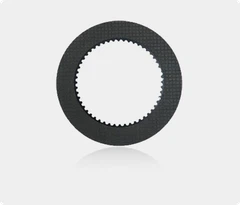
On the other hand, a wet clutch plate operates in an oil bath. The oil serves multiple purposes: it cools the clutch plates, reduces wear and tear, and provides a smooth engagement. The friction material on a wet clutch plate is also different from that of a dry clutch plate. It is often made from a composite material that is more porous, allowing the oil to penetrate and provide better lubrication.
Performance Characteristics
One of the key performance differences between wet and dry clutch plates is their engagement feel. A dry clutch plate typically offers a more direct and responsive engagement, which is why it is often preferred in high-performance and racing applications. The lack of oil between the plates allows for a more immediate transfer of power, resulting in a quicker acceleration. However, this also means that the engagement can be more abrupt, which may not be suitable for everyday driving.
In contrast, a wet clutch plate provides a smoother and more progressive engagement. The oil between the plates acts as a cushion, reducing the shock and vibration during engagement. This makes it more comfortable for daily driving, especially in stop-and-go traffic. Additionally, the oil helps to dissipate heat, which allows the wet clutch to handle higher torque loads without overheating.
Another important performance factor is durability. Dry clutch plates tend to wear out more quickly than wet clutch plates, especially under heavy use. The lack of lubrication can cause the friction material to overheat and wear down, leading to reduced performance and eventually failure. Wet clutch plates, on the other hand, benefit from the cooling and lubricating properties of the oil, which helps to extend their lifespan.
Applications
The choice between a wet and dry clutch plate depends largely on the application. Dry clutch plates are commonly used in motorcycles, high-performance cars, and racing vehicles. Their direct engagement and high torque capacity make them ideal for applications where quick acceleration and precise control are required. For example, in a motorcycle, a dry clutch allows the rider to shift gears quickly and smoothly, enhancing the overall riding experience.
Wet clutch plates, on the other hand, are widely used in automatic transmissions, scooters, and some high-torque vehicles. Their smooth engagement and durability make them suitable for applications where comfort and reliability are paramount. In an automatic transmission, a wet clutch ensures a seamless shift between gears, providing a smooth and comfortable driving experience for the passengers.
Our Product Offerings
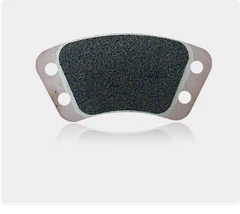
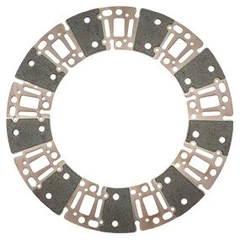
As a clutch plate supplier, we understand the diverse needs of our customers and offer a wide range of wet and dry clutch plates to meet their requirements. Our Wear Resistant Sintered Clutch Plate is a high-performance dry clutch plate that is designed to withstand the rigors of heavy use. It features a sintered friction material that offers excellent wear resistance and high torque capacity, making it ideal for racing and high-performance applications.
For customers looking for a cost-effective solution, our Cost Effective Copper Friction Plate is a great option. This wet clutch plate features a copper-based friction material that provides good friction performance and durability at an affordable price. It is suitable for a wide range of applications, from everyday vehicles to light-duty industrial equipment.
We also offer Cost Effective Friction Plate Material, which can be used to manufacture custom clutch plates. Our friction plate material is available in a variety of formulations, allowing our customers to choose the one that best suits their specific requirements.


Contact Us for Procurement
If you're in the market for high-quality clutch plates, we'd love to hear from you. Our team of experts is ready to assist you in selecting the right clutch plates for your application and providing you with the best possible service. Whether you need a small quantity for a personal project or a large order for your business, we can meet your needs. Contact us today to start the procurement process and experience the difference that our products can make.
References
- "Automotive Clutch Systems: Design, Analysis, and Testing" by David Crolla
- "Fundamentals of Vehicle Dynamics" by Thomas D. Gillespie
- "Clutch Design and Analysis" by SAE International


